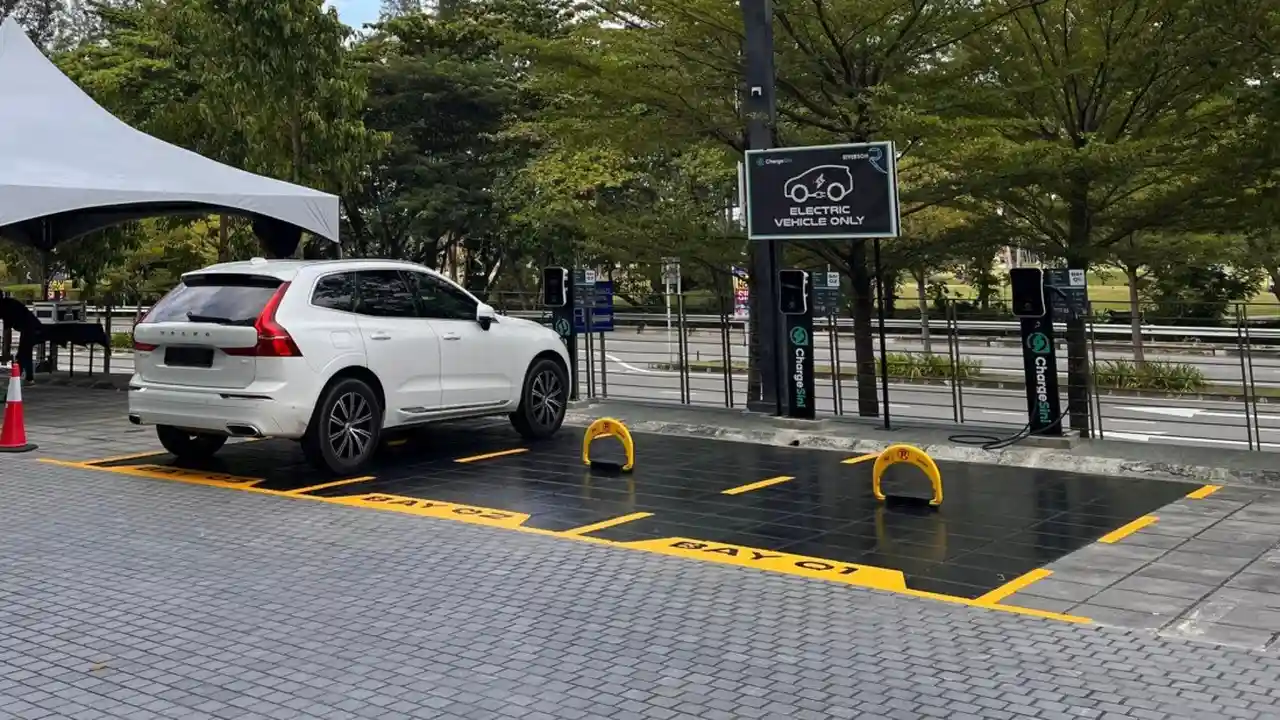
Explore three rapidly growing automotive markets in Southeast Asia offering new opportunities.
Explore three rapidly growing automotive markets in Southeast Asia offering new opportunities. The automotive landscape is constantly shifting, and while established markets like the US, Europe, and China often grab headlines, savvy investors and manufacturers are increasingly turning their attention to emerging economies. Southeast Asia, with its burgeoning middle class, youthful population, and increasing urbanization, presents a particularly compelling picture. This region is not just a manufacturing hub; it's a rapidly expanding consumer market with unique demands and immense potential. We're going to dive deep into three of the most promising automotive markets in Southeast Asia: Indonesia, Vietnam, and the Philippines. We'll explore what makes them tick, their current state, future prospects, and the specific opportunities they present for businesses looking to expand their footprint.
3 Emerging Automotive Markets in Southeast Asia
Indonesia The Archipelagic Giant of Automotive Growth
Indonesia, the largest economy in Southeast Asia and the world's fourth most populous nation, is an undeniable powerhouse in the region's automotive sector. Its sheer size and demographic profile make it a market that simply cannot be ignored. With a population exceeding 270 million and a rapidly expanding middle class, the demand for personal vehicles, both two-wheelers and four-wheelers, is consistently on the rise. This growth is fueled by increasing disposable incomes, improving infrastructure, and a cultural preference for personal mobility.
Current Automotive Landscape in Indonesia
Indonesia's automotive market is characterized by a strong preference for multi-purpose vehicles (MPVs) and SUVs, reflecting the country's family-oriented culture and often challenging road conditions. Japanese brands have historically dominated the market, with Toyota, Daihatsu, Honda, and Mitsubishi holding significant shares. These brands have established extensive dealer networks, strong after-sales service, and a reputation for reliability that resonates with Indonesian consumers. However, the landscape is evolving. Chinese manufacturers, such as Wuling and Chery, are making significant inroads by offering competitively priced vehicles with increasingly sophisticated features, challenging the long-standing dominance of Japanese players. Electric vehicles (EVs) are also gaining traction, albeit from a low base, driven by government incentives and a growing awareness of environmental issues. The government has set ambitious targets for EV adoption and is actively promoting local production of batteries and EVs.
Key Growth Drivers and Opportunities in Indonesia
Several factors are propelling Indonesia's automotive growth. Firstly, continued economic growth and urbanization are leading to higher purchasing power and a greater need for personal transportation. Secondly, government support for the automotive industry, particularly for EVs, is creating a favorable investment climate. This includes tax incentives for EV purchases and local manufacturing, as well as efforts to develop charging infrastructure. Thirdly, the young demographic, with a median age of around 30, represents a massive pool of potential first-time car buyers. This demographic is also more open to new technologies and brands, creating opportunities for innovative players.
For businesses, Indonesia offers opportunities in several areas. Local manufacturing and assembly, particularly for EVs and their components, are highly encouraged. The vast domestic market also presents opportunities for sales and distribution of both new and used vehicles. Furthermore, the growing demand for after-sales services, spare parts, and automotive financing provides fertile ground for related businesses. The motorcycle market, which is significantly larger than the car market, also offers substantial opportunities for two-wheeler manufacturers and related services.
Challenges and Considerations for the Indonesian Market
Despite its immense potential, the Indonesian market comes with its own set of challenges. Infrastructure development, while improving, still lags in some areas, impacting logistics and distribution. Regulatory complexities and local content requirements can also be hurdles for foreign investors. Intense competition, particularly from established Japanese brands and aggressive Chinese newcomers, demands strategic positioning and competitive pricing. Furthermore, the diverse geography of Indonesia, with its thousands of islands, necessitates a robust and adaptable distribution strategy.
Vietnam The Dynamic Dragon of Automotive Expansion
Vietnam, with its rapidly developing economy and a population of nearly 100 million, is another star performer in the Southeast Asian automotive scene. Over the past decade, Vietnam has experienced remarkable economic growth, transforming from an agrarian economy into a manufacturing and export powerhouse. This economic dynamism has directly translated into increased consumer spending, including a growing appetite for automobiles. The country's young and aspirational population views car ownership as a significant status symbol and a necessity for improving quality of life.
Current Automotive Landscape in Vietnam
Similar to Indonesia, Japanese brands like Toyota, Honda, and Mazda have traditionally held a strong position in Vietnam. However, the market is becoming increasingly diversified. Korean brands such as Hyundai and Kia have gained significant market share due to their attractive designs, competitive pricing, and feature-rich offerings. Domestic player VinFast, a subsidiary of the Vingroup conglomerate, has emerged as a significant force, particularly in the EV segment. VinFast has ambitious plans for both the domestic and international markets, backed by substantial investment and government support. The Vietnamese government is actively promoting the development of its domestic automotive industry and encouraging the adoption of EVs through various incentives.
Key Growth Drivers and Opportunities in Vietnam
Vietnam's automotive market is driven by several powerful forces. Sustained economic growth, coupled with rising per capita income, is enabling more Vietnamese households to afford cars. Rapid urbanization is also contributing to increased demand, particularly in major cities like Hanoi and Ho Chi Minh City. Government policies aimed at industrialization and attracting foreign direct investment (FDI) are creating a conducive environment for automotive manufacturing and sales. The government's strong push for EV adoption, including tax breaks and infrastructure development, is a major catalyst for future growth in this segment.
Opportunities in Vietnam are abundant. For manufacturers, local assembly and production, especially for EVs, are highly attractive due to government incentives and a growing domestic supply chain. The market for new car sales is robust, with a strong demand for sedans, SUVs, and increasingly, electric vehicles. The used car market is also expanding as first-time buyers seek more affordable options. Furthermore, the burgeoning demand for automotive components, after-sales services, and financing solutions presents significant business prospects. The motorcycle market remains dominant, but the shift towards four-wheelers is accelerating.
Challenges and Considerations for the Vietnamese Market
Despite its promising outlook, Vietnam's automotive market faces certain challenges. High import taxes on completely built units (CBUs) can make imported cars expensive, favoring local assembly. Traffic congestion in major cities is a growing concern, leading to discussions about potential restrictions on car ownership. The charging infrastructure for EVs, while developing, still requires significant expansion to support widespread adoption. Competition is fierce, with both established international players and a strong domestic contender in VinFast vying for market share. Navigating the regulatory environment and understanding local consumer preferences are crucial for success.
The Philippines The Resilient and Growing Automotive Hub
The Philippines, an archipelago nation with a population exceeding 110 million, represents a resilient and steadily growing automotive market in Southeast Asia. Despite facing various economic and natural challenges, the Filipino consumer's desire for personal mobility remains strong. The country's economy has shown consistent growth, driven by remittances from overseas Filipino workers (OFWs) and a robust service sector. This economic stability, coupled with a young and dynamic population, underpins the sustained demand for vehicles.
Current Automotive Landscape in the Philippines
The Philippine automotive market is characterized by a strong preference for SUVs, pick-up trucks, and MPVs, reflecting the country's diverse terrain and the need for versatile family vehicles. Japanese brands, particularly Toyota and Mitsubishi, have long dominated the market, known for their reliability and extensive service networks. Ford and Nissan also hold significant market shares. More recently, Chinese brands like Geely and Chery have entered the market, offering competitive pricing and modern features, appealing to budget-conscious buyers. The EV market is still in its nascent stages but is showing signs of growth, particularly with the introduction of more affordable models and government initiatives to promote sustainable transportation.
Key Growth Drivers and Opportunities in the Philippines
Several factors contribute to the growth of the Philippine automotive market. Consistent economic growth and increasing disposable incomes are enabling more Filipinos to purchase vehicles. The large and growing middle class, coupled with a young population, ensures a continuous stream of potential car buyers. Infrastructure development, including new roads and expressways, is improving connectivity and making car ownership more practical. Government initiatives to modernize public transport and promote sustainable mobility are also creating new opportunities, particularly in the EV sector.
For businesses, the Philippines offers opportunities in various segments. The market for new vehicle sales, especially SUVs and pick-up trucks, remains strong. The used car market is also vibrant, catering to a wide range of budgets. There's a growing demand for automotive parts and accessories, driven by a culture of vehicle customization and maintenance. The nascent EV market presents a significant long-term opportunity for manufacturers and charging infrastructure providers. Furthermore, the demand for automotive financing and insurance services is substantial, given the high cost of vehicle ownership.
Challenges and Considerations for the Philippine Market
While promising, the Philippine automotive market has its challenges. Traffic congestion, particularly in Metro Manila, is a major issue, leading to calls for improved public transportation and potential restrictions on private vehicle use. High taxes on vehicles can make them expensive, impacting affordability for some segments of the population. The country's susceptibility to natural disasters can also disrupt supply chains and impact consumer confidence. Competition is intense, with established players and new entrants vying for market share. Navigating the local regulatory environment and understanding the unique preferences of Filipino consumers are essential for success.
Comparing Market Dynamics and Product Recommendations
When considering these three markets, it's crucial to understand their distinct characteristics and tailor product offerings accordingly. While there are common threads like the growing middle class and increasing urbanization, each market has its own nuances in terms of consumer preferences, regulatory environment, and competitive landscape.
Indonesia Product Focus MPVs and Affordable EVs
In Indonesia, the demand for MPVs remains incredibly strong due to large family sizes and the need for versatile vehicles. Affordable and reliable MPVs like the Toyota Avanza, Daihatsu Xenia, and Mitsubishi Xpander are perennial best-sellers. For the emerging EV market, affordability is key. Products like the Wuling Air EV (starting around $12,000 - $15,000 USD, depending on trim and incentives) have seen significant success due to their compact size, urban suitability, and competitive pricing. Other promising EV models include the Hyundai Ioniq 5 (starting around $70,000 - $80,000 USD) for the premium segment and upcoming models from Chinese manufacturers like Chery and BYD, which are expected to offer more budget-friendly options. The focus here should be on practical, family-friendly vehicles and entry-level EVs that can navigate urban environments and offer good value for money. Aftermarket accessories for customization and robust service networks are also highly valued.
Vietnam Product Focus Sedans SUVs and Innovative EVs
Vietnam's market shows a strong preference for sedans and SUVs, with brands like Toyota Vios, Hyundai Accent, and Kia Seltos being very popular. The rise of VinFast has also created a unique dynamic, with their VF e34 (starting around $28,000 - $30,000 USD, often with battery subscription models) and VF 8 (starting around $45,000 - $50,000 USD) gaining traction. For international players, offering a mix of reliable sedans and stylish SUVs, coupled with innovative EV options, would be a strong strategy. The Vietnamese consumer is increasingly tech-savvy and appreciates modern features and connectivity. Therefore, vehicles with advanced infotainment systems, safety features, and efficient powertrains will likely perform well. The market for premium EVs is also growing, with models like the Porsche Taycan and Mercedes-Benz EQS finding a niche among affluent buyers.
The Philippines Product Focus SUVs Pick-up Trucks and Practical EVs
In the Philippines, SUVs and pick-up trucks dominate sales, driven by diverse road conditions and the need for utility. Models like the Toyota Fortuner, Mitsubishi Montero Sport, and Ford Ranger are extremely popular. For EVs, the focus is on practical, everyday vehicles that can handle urban commutes and occasional longer trips. While the market is still small, models like the BYD Dolphin (starting around $25,000 - $30,000 USD) and the Nissan Kicks e-POWER (a hybrid, but often seen as an entry into electrified vehicles, starting around $25,000 - $30,000 USD) are gaining attention. The key here is offering robust vehicles that can withstand challenging conditions and provide good value. After-sales service and the availability of spare parts are critical considerations for Filipino buyers. The market for commercial vehicles and light trucks also presents significant opportunities due to the country's growing logistics and construction sectors.
Investment and Market Entry Strategies for Automotive Businesses
Entering or expanding within these dynamic Southeast Asian automotive markets requires a well-thought-out strategy. Simply transplanting models from other regions is unlikely to yield optimal results. Instead, a nuanced approach that considers local preferences, regulatory frameworks, and competitive dynamics is essential.
Local Manufacturing and Assembly Benefits and Considerations
Local manufacturing and assembly are often favored by governments in Indonesia, Vietnam, and the Philippines, primarily to create jobs, transfer technology, and reduce reliance on imports. This approach can also lead to significant tax incentives and lower production costs due to cheaper labor. For example, setting up an assembly plant in Indonesia allows manufacturers to tap into the vast domestic market and potentially export to other ASEAN countries under free trade agreements. VinFast's success in Vietnam is a prime example of a domestic player leveraging local manufacturing to gain a competitive edge. However, this strategy requires substantial capital investment, a robust local supply chain, and navigating complex regulatory requirements. Companies must also consider the availability of skilled labor and the quality of local components.
Distribution and Dealership Networks Building Local Presence
Establishing a strong distribution and dealership network is paramount for success. In these markets, consumers often rely heavily on local dealerships for sales, financing, and after-sales service. Japanese brands have excelled in this area, building extensive networks over decades. New entrants must invest in developing a wide reach, particularly in secondary cities and rural areas, to capture a broader customer base. This might involve partnering with local distributors or establishing wholly-owned dealerships. The quality of after-sales service is a critical differentiator, as reliability and maintenance are key concerns for consumers in these regions. Providing comprehensive training for dealership staff and ensuring the availability of genuine spare parts are crucial for building customer trust and loyalty.
Marketing and Branding Tailoring to Local Culture
Effective marketing and branding strategies must be culturally sensitive and resonate with local consumers. Advertising campaigns should reflect local values, aspirations, and lifestyles. For instance, family-oriented messaging often works well in Indonesia and the Philippines, while in Vietnam, emphasis on modernity, technology, and status can be highly effective. Digital marketing, leveraging social media platforms popular in each country (e.g., Facebook in the Philippines, Zalo in Vietnam), is increasingly important. Engaging with local influencers and creating localized content can significantly boost brand awareness and appeal. Pricing strategies must also be carefully considered, balancing competitiveness with perceived value and brand positioning.
Financing and Affordability Solutions Addressing Consumer Needs
Vehicle affordability is a significant factor in these emerging markets. Many consumers rely on financing to purchase a car. Therefore, offering flexible and competitive financing options, including low down payments, extended loan terms, and attractive interest rates, can be a major competitive advantage. Partnerships with local banks and financial institutions are crucial for providing accessible financing solutions. In some cases, innovative ownership models, such as subscription services or battery leasing for EVs, could also gain traction, particularly as the EV market matures. Understanding the credit landscape and consumer financial habits in each country is vital for developing effective financing programs.
The Future Outlook for Southeast Asian Automotive Markets
The future of the automotive industry in Indonesia, Vietnam, and the Philippines looks incredibly promising, driven by continued economic growth, urbanization, and a growing middle class. The shift towards electric vehicles is a significant trend that will reshape these markets in the coming years.
Electrification Trends and Infrastructure Development
All three countries are actively promoting EV adoption through various incentives, including tax breaks, subsidies, and efforts to develop charging infrastructure. While the current EV penetration is low, the growth trajectory is steep. As battery technology improves and EV prices become more competitive, demand is expected to surge. This presents massive opportunities for EV manufacturers, battery producers, and charging infrastructure providers. Governments are investing in public charging networks, but private sector involvement will be crucial for widespread adoption. The development of a robust EV ecosystem, including battery recycling and maintenance services, will be key to sustainable growth.
Digitalization and Connectivity Enhancing the Driving Experience
Digitalization and connectivity are becoming increasingly important in these markets. Consumers are looking for vehicles with advanced infotainment systems, seamless smartphone integration, and connected services. This trend creates opportunities for technology providers and automotive manufacturers to offer innovative in-car experiences. Features like real-time navigation, remote vehicle diagnostics, and over-the-air (OTA) updates will become standard expectations. The integration of artificial intelligence (AI) for personalized driving experiences and enhanced safety features will also play a significant role in shaping future vehicle offerings.
Sustainability and Environmental Regulations Driving Change
Growing environmental awareness and stricter emission regulations are driving the demand for more sustainable transportation solutions. This includes not only EVs but also more fuel-efficient internal combustion engine (ICE) vehicles and hybrid options. Manufacturers that can offer environmentally friendly vehicles will gain a competitive advantage. The focus on sustainability also extends to manufacturing processes, with increasing pressure to adopt greener production methods and reduce the carbon footprint of the automotive industry. This shift will influence product development, supply chain management, and corporate social responsibility initiatives across the region.
The Role of Government Policies and Regional Integration
Government policies will continue to play a pivotal role in shaping these automotive markets. Incentives for local manufacturing, EV adoption, and infrastructure development will be crucial. Regional integration through organizations like ASEAN (Association of Southeast Asian Nations) also facilitates trade and investment within the bloc, creating a larger, more interconnected market. Harmonization of standards and regulations across ASEAN countries could further streamline operations for automotive businesses. Staying abreast of policy changes and engaging with local governments will be essential for long-term success in these dynamic markets.
:max_bytes(150000):strip_icc()/277019-baked-pork-chops-with-cream-of-mushroom-soup-DDMFS-beauty-4x3-BG-7505-5762b731cf30447d9cbbbbbf387beafa.jpg)