5 Emerging Trends in Automotive Interior Design
Explore five emerging trends shaping the future of automotive interior design and comfort.
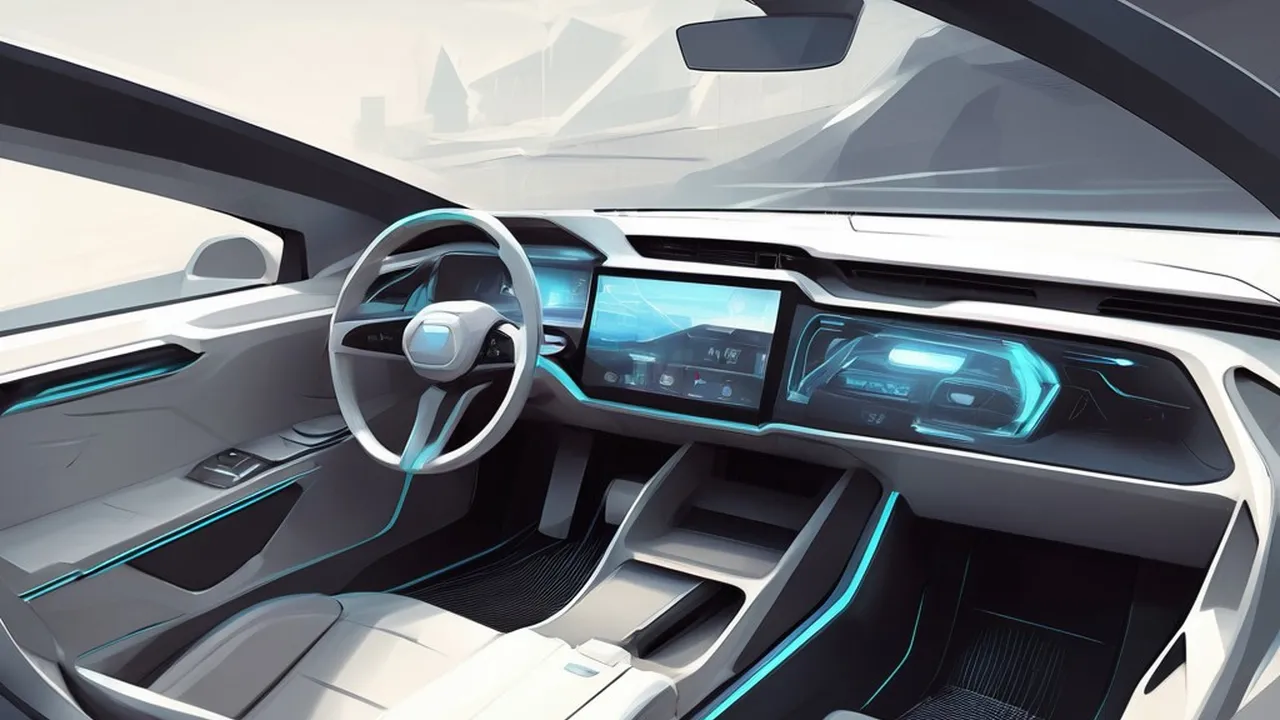
The automotive industry is constantly evolving, and while much attention is often given to powertrains, autonomous driving, and exterior aesthetics, the interior of a vehicle is arguably where the most personal and impactful innovations are taking place. After all, this is where drivers and passengers spend their time, and as cars become more than just modes of transport – transforming into mobile offices, entertainment hubs, and even living spaces – interior design is stepping into the spotlight. We're seeing a fascinating blend of luxury, technology, sustainability, and personalization that's redefining what it means to be inside a car. Let's dive into five emerging trends that are shaping the future of automotive interior design and comfort, making our rides more enjoyable, productive, and sustainable.
5 Emerging Trends in Automotive Interior Design
Sustainable and Eco-Friendly Materials Revolutionizing Car Interiors
One of the most significant shifts in automotive interior design is the move towards sustainable and eco-friendly materials. Consumers are increasingly conscious of their environmental footprint, and car manufacturers are responding by integrating innovative, recycled, and plant-based materials into their cabins. This isn't just about being green; it's also about offering unique textures, aesthetics, and a sense of well-being.
Recycled Plastics and Ocean Waste in Automotive Interiors
Many automakers are now using recycled plastics, often sourced from ocean waste, for various interior components. For example, Volvo has committed to having at least 25% recycled plastics in every new car from 2025. Companies like BMW and Mercedes-Benz are also exploring similar avenues, using recycled PET bottles for seat fabrics and floor mats. This not only reduces landfill waste but also lowers the demand for virgin plastics, which are typically petroleum-based. The beauty of these materials is that they can be engineered to be just as durable and aesthetically pleasing as traditional plastics, often with a softer touch or unique visual appeal.
Plant-Based and Bio-Materials for Sustainable Car Cabins
Beyond recycled plastics, there's a growing trend towards plant-based and bio-materials. Cork, bamboo, and even mushroom leather (Mylo) are making their way into concept cars and production models. Ford, for instance, has experimented with soy-based foams for seat cushions and headrests for years. Tesla has famously offered a 'vegan leather' interior option, which is a synthetic alternative to animal leather, often made from polyurethane or other plant-based polymers. These materials offer a luxurious feel without the ethical or environmental concerns associated with traditional leather production. They also often boast unique properties like being lightweight, breathable, and naturally antimicrobial.
Wool and Other Natural Fibers for Enhanced Comfort and Sustainability
Natural fibers like wool are also gaining traction. Brands like Audi and Polestar are using responsibly sourced wool blends for seat upholstery and interior trim. Wool is not only sustainable and biodegradable but also offers excellent temperature regulation, breathability, and durability. It creates a cozy, premium feel that synthetic fabrics often struggle to replicate. The focus here is on creating a holistic sustainable experience, from the raw material sourcing to the end-of-life recycling of these components.
Seamless Integration of Advanced Technology and Digital Interfaces in Car Interiors
The car interior is rapidly transforming into a digital cockpit, with advanced technology and seamless digital interfaces becoming the norm. This trend goes beyond just larger touchscreens; it encompasses augmented reality, haptic feedback, and personalized digital experiences that enhance both safety and convenience.
Large Format Displays and Curved Screens for Immersive Driving
Gone are the days of small, clunky infotainment screens. We're now seeing massive, often curved, displays that stretch across the dashboard, creating an immersive digital experience. Mercedes-Benz's Hyperscreen, a 56-inch curved screen unit spanning the entire width of the dashboard in the EQS, is a prime example. This integrates the instrument cluster, central infotainment, and passenger display into one seamless unit. These large screens allow for more information to be displayed simultaneously, reducing the need for drivers to toggle between menus, and offering passengers their own dedicated entertainment or control zones. The challenge here is to ensure these displays are intuitive and don't distract the driver, which leads us to the next point.
Augmented Reality Head-Up Displays for Enhanced Navigation and Safety
Augmented Reality (AR) Head-Up Displays (HUDs) are becoming increasingly sophisticated. Instead of just projecting speed onto the windshield, modern AR HUDs can overlay navigation directions directly onto the road ahead, highlight potential hazards, or even show lane guidance. This technology keeps the driver's eyes on the road, reducing cognitive load and improving safety. For example, Mercedes-Benz and Volkswagen are already implementing advanced AR HUDs that project dynamic information, making navigation feel more intuitive and less distracting. Imagine seeing an arrow 'painted' directly onto the lane you need to take, or a warning highlighting a pedestrian crossing your path.
Haptic Feedback and Gesture Control for Intuitive Interaction
To complement touchscreens and reduce driver distraction, haptic feedback and gesture control are becoming more prevalent. Haptic feedback provides tactile responses to touch inputs, confirming actions without requiring the driver to look away from the road. Gesture control allows drivers to interact with the infotainment system using hand movements, such as waving a hand to change a song or adjusting volume with a circular motion. BMW's iDrive controller has long incorporated haptic feedback, and many manufacturers are exploring more advanced gesture recognition systems. These technologies aim to make interacting with the car's systems more natural and less reliant on precise visual input.
Personalization and Customization Options for Unique Driving Experiences
The desire for personalization extends to our vehicles, and automotive interior design is offering unprecedented levels of customization. From ambient lighting to configurable seating, cars are becoming extensions of our personal style and preferences.
Dynamic Ambient Lighting for Mood and Atmosphere
Ambient lighting has evolved from simple accent lights to dynamic, customizable systems that can change the entire mood of the cabin. Modern systems offer millions of color combinations, can react to music, or even indicate warnings (e.g., red for an open door). Mercedes-Benz, Audi, and BMW are leaders in this space, offering intricate ambient lighting designs that highlight interior contours and create a sense of luxury and personalization. Some systems even integrate with the car's driving modes, changing colors to reflect a sporty or relaxed setting. This allows drivers to tailor the interior atmosphere to their personal taste or current mood.
Configurable Seating and Modular Interiors for Versatility
As cars become more versatile, so do their interiors. Configurable seating arrangements and modular interiors are becoming more common, especially in electric vehicles where the absence of a traditional transmission tunnel allows for more flexible layouts. Seats can slide, recline, and even swivel to create different social or functional zones within the cabin. For example, some concept cars showcase front seats that can rotate 180 degrees to face the rear passengers when the car is in autonomous mode. This trend is about maximizing interior space and adapting it to various use cases, whether it's a family road trip, a mobile office, or a comfortable lounge.
Personalized User Profiles and Biometric Recognition for Seamless Entry
Cars are increasingly recognizing their drivers and passengers, automatically adjusting settings to their preferences. Personalized user profiles can store seat positions, mirror settings, climate control preferences, and even infotainment favorites. Biometric recognition, such as fingerprint scanners or facial recognition, is being integrated for seamless entry and personalized settings. For instance, Hyundai's Genesis brand has explored fingerprint authentication for starting the car and loading driver profiles. This creates a truly personalized experience from the moment you step into the vehicle, eliminating the need to manually adjust settings every time a different driver uses the car.
Health and Wellness Features for Enhanced Comfort and Well-being
Beyond just comfort, automotive interiors are now focusing on the health and well-being of occupants. This includes advanced air purification, ergonomic design, and even features that promote relaxation and reduce stress.
Advanced Air Filtration Systems for Cleaner Cabin Air
With growing concerns about air quality, advanced air filtration systems are becoming a premium feature. These systems, often incorporating HEPA filters, can remove allergens, pollutants, and even viruses from the cabin air, creating a healthier environment. Tesla's 'Bioweapon Defense Mode' is a well-known example, utilizing a large HEPA filter to purify the air. Other manufacturers like Volvo and Mercedes-Benz also offer sophisticated air purification systems that monitor external air quality and automatically activate filtration when needed. This is particularly appealing in urban environments or regions with high pollution levels.
Ergonomic Seating and Massage Functions for Long Journeys
Ergonomics are paramount, especially for long journeys. Modern car seats are designed to provide optimal support and comfort, often with multiple adjustment points, lumbar support, and even massage functions. These features help reduce fatigue and improve posture, making long drives more enjoyable. Brands like BMW, Audi, and Mercedes-Benz offer multi-contour seats with various massage programs, heating, and ventilation, transforming the driving experience into a spa-like retreat. The focus is on preventing discomfort and promoting relaxation, even during extended periods behind the wheel.
Integrated Aromatherapy and Mood Enhancing Features
Some luxury vehicles are even incorporating aromatherapy systems, allowing occupants to choose from a selection of scents to enhance their mood or create a specific ambiance. Mercedes-Benz's Air-Balance package, for example, offers various fragrances that can be diffused into the cabin. Combined with ambient lighting and soothing sounds, these features aim to create a holistic wellness experience within the car, helping to reduce stress and promote relaxation during commutes or long trips. This trend highlights the car's evolution from a mere transportation device to a personal sanctuary.
Modular and Flexible Interior Architectures for Future Mobility
As autonomous driving becomes a reality, the interior architecture of cars will undergo a radical transformation. Modular and flexible designs will allow the cabin to adapt to various activities, from working to relaxing, without the need for a driver to be constantly focused on the road.
Swiveling Seats and Lounge Configurations for Autonomous Driving
In a fully autonomous vehicle, the traditional driver-focused cockpit becomes obsolete. This opens up possibilities for swiveling seats, lounge-like configurations, and even beds. Concept cars from brands like Audi (e.g., the AI:ME) and Mercedes-Benz (e.g., the F 015 Luxury in Motion) showcase interiors where front seats can rotate to face the rear, creating a social space. This allows occupants to engage in conversations, play games, or conduct meetings while the car handles the driving. The interior becomes a true extension of a living room or office, offering unparalleled flexibility.
Integrated Workspaces and Entertainment Hubs for Productivity and Leisure
Future car interiors will likely feature integrated workspaces with retractable tables, charging pads, and connectivity options, allowing occupants to be productive on the go. Similarly, advanced entertainment systems, including large screens, immersive audio, and even VR/AR integration, will transform the car into a mobile cinema or gaming arcade. Companies like Panasonic and Harman are already developing advanced in-car entertainment and productivity solutions that anticipate these future needs. Imagine catching up on emails or watching a movie in a comfortable, connected environment while your car navigates traffic.
Smart Storage Solutions and Customizable Compartments for Everyday Needs
With increased flexibility, smart storage solutions will become crucial. Modular compartments, hidden storage, and customizable spaces will cater to various needs, from carrying groceries to sports equipment. The focus is on maximizing utility and keeping the cabin clutter-free. This could involve reconfigurable center consoles, under-floor storage, or even smart compartments that adapt to the size and shape of the items being stored. The goal is to make the interior as functional and adaptable as possible, catering to the diverse lifestyles of future car owners.
The future of automotive interior design is incredibly exciting, blending cutting-edge technology with a strong emphasis on sustainability, personalization, and well-being. As cars evolve, so too will the spaces within them, transforming our daily commutes and long journeys into experiences that are not only comfortable and safe but also enriching and enjoyable. Keep an eye out for these trends as they continue to shape the cars of tomorrow!
:max_bytes(150000):strip_icc()/277019-baked-pork-chops-with-cream-of-mushroom-soup-DDMFS-beauty-4x3-BG-7505-5762b731cf30447d9cbbbbbf387beafa.jpg)