5 Essential EV Maintenance Tips for New Owners
Learn five crucial maintenance tips for new electric vehicle owners to ensure longevity and performance.
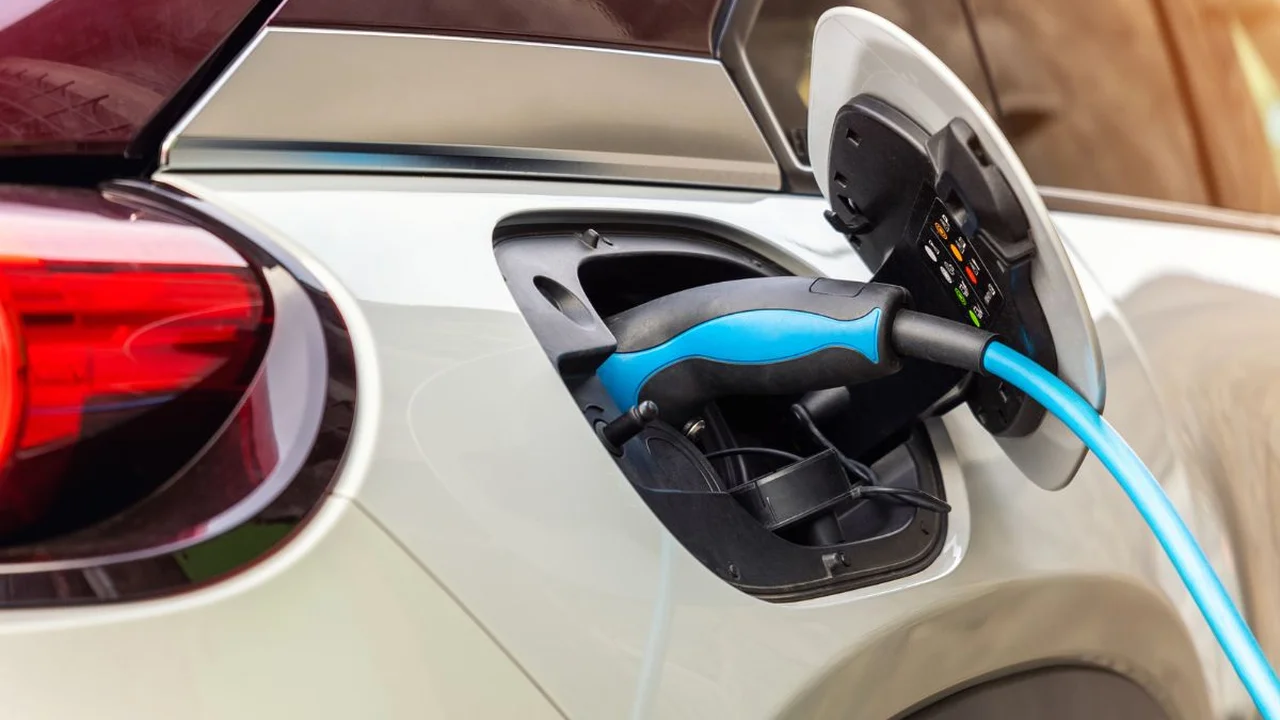
Learn five crucial maintenance tips for new electric vehicle owners to ensure longevity and performance.
5 Essential EV Maintenance Tips for New Owners
Hey there, new EV owner! Welcome to the future of driving. Electric vehicles are fantastic, offering a smooth, quiet ride and a significantly reduced environmental footprint. But just like any car, they need a little love and care to keep them running at their best. The good news? EV maintenance is generally simpler and less frequent than with gasoline cars. No oil changes, spark plugs, or complex exhaust systems to worry about! However, there are still some crucial things you need to keep an eye on to ensure your electric ride stays in top shape for years to come. Let's dive into five essential maintenance tips that every new EV owner should know.
1. Battery Health Management Maximizing EV Range and Lifespan
Your EV's battery is its heart and soul, and taking good care of it is paramount. Unlike a gas tank, how you charge and discharge your battery can significantly impact its long-term health and range. Think of it like your smartphone battery – you wouldn't constantly drain it to zero and then overcharge it, right? The same principle applies here.
Optimal Charging Habits for EV Batteries
One of the biggest myths about EVs is that you always need to charge to 100%. While it's fine for occasional long trips, regularly charging to full capacity, especially with DC fast chargers, can put stress on the battery. Most manufacturers recommend keeping your daily charge between 20% and 80%. This 'sweet spot' helps prolong battery life. For example, if you own a Tesla Model 3 Long Range, you might set your daily charge limit to 80% for everyday commuting, only bumping it to 100% when you're planning a road trip. Similarly, a Nissan Leaf owner might find that charging to 80% is more than enough for their daily needs, preserving the battery's health over time.
Avoiding Extreme Temperatures for EV Battery Longevity
Extreme temperatures, both hot and cold, can degrade your EV battery over time. Parking your car in direct sunlight during a scorching summer day or leaving it exposed to freezing temperatures for extended periods can be detrimental. If possible, park in a garage or shaded area. Many EVs, like the Hyundai Ioniq 5 or Ford Mustang Mach-E, have sophisticated battery thermal management systems that help regulate temperature, but giving them a helping hand by avoiding extremes is always a good idea. Pre-conditioning your car while it's still plugged in can also help warm or cool the battery to an optimal operating temperature without drawing power from the battery itself.
Monitoring Battery Health with Telematics and Apps
Most modern EVs come with companion apps that allow you to monitor your battery's state of charge, charging history, and even its overall health. For instance, the MyChevrolet app for the Chevy Bolt EV provides detailed charging statistics, while the BMW iDrive system in an iX can show you estimated battery degradation over time. Third-party apps like 'Recurrent Auto' also offer insights into battery health for various EV models, helping you understand how your driving and charging habits are affecting your battery. Keeping an eye on these metrics can help you identify any potential issues early on.
2. Tire Care and Rotation Essential for EV Performance and Safety
Tires on an EV are a bit different from those on a traditional car. EVs are often heavier due to their battery packs and deliver instant torque, which can lead to faster tire wear if not managed properly. Plus, specialized EV tires are designed to reduce rolling resistance and noise, contributing to better range and a quieter ride.
Understanding EV Specific Tires
Many EVs come equipped with low-rolling-resistance tires, often marked with an 'EV' or 'Electric' symbol. These tires are designed to minimize friction with the road, thus extending your range. However, this can sometimes come at the expense of grip or longevity compared to performance tires. For example, the Michelin Primacy MXM4 is a popular OEM tire for many EVs, balancing efficiency and comfort. When it's time to replace your tires, consider sticking with EV-specific options or consulting your dealership for recommendations. Brands like Pirelli with their 'Elect' marking or Goodyear with 'ElectricDrive' are specifically engineered for the unique demands of EVs.
Regular Tire Pressure Checks and Rotations
Maintaining correct tire pressure is crucial for safety, efficiency, and tire longevity. Check your tire pressure at least once a month, and always before long trips. The recommended pressure can usually be found on a sticker inside your driver's side door jamb. Because of the instant torque and weight distribution, EV tires can wear unevenly. Regular tire rotations, typically every 5,000 to 7,500 miles, help ensure even wear across all four tires, maximizing their lifespan. A Tesla Model Y, for instance, benefits greatly from consistent tire rotations to manage the wear from its powerful electric motors.
When to Replace EV Tires
Don't wait until your tires are bald to replace them! Worn tires compromise safety, especially in wet conditions, and can negatively impact your EV's range. Look for the tread wear indicators on your tires, which are small bars embedded in the grooves. If the tread is flush with these bars, it's time for new tires. Also, pay attention to any cracks, bulges, or punctures. The cost of EV tires can vary, but expect to pay anywhere from $150 to $400 per tire for quality EV-specific options, depending on the brand and size. For example, a set of four Michelin Pilot Sport EV tires for a performance EV could easily run upwards of $1000.
3. Brake System Inspection and Maintenance Regenerative Braking Benefits
One of the coolest features of EVs is regenerative braking. This system uses the electric motor to slow the car down, converting kinetic energy back into electricity to recharge the battery. This means your traditional friction brakes get a much easier life!
The Advantage of Regenerative Braking
Because regenerative braking does most of the work, the brake pads and rotors on an EV typically last much longer than on a gasoline car. It's not uncommon for EV owners to go 100,000 miles or more before needing brake pad replacement. This is a significant cost saving! For example, a Chevrolet Bolt EV owner might find their brake pads lasting twice as long as those on a comparable gasoline-powered sedan. However, this doesn't mean you can ignore your brakes entirely.
Regular Brake System Checks
Even though they're used less frequently, your friction brakes still need regular inspection. Over time, brake components can seize up or corrode due to lack of use, especially in humid climates or if the car sits for long periods. During your annual service, or every 10,000-15,000 miles, have a technician inspect your brake pads, rotors, calipers, and brake fluid. They'll check for any signs of rust, uneven wear, or fluid leaks. This is particularly important for EVs like the Porsche Taycan, where the braking system is designed for high performance but still requires periodic checks to ensure optimal function.
Brake Fluid and Rotor Health
Brake fluid should be checked and potentially replaced every two to three years, regardless of mileage, as it can absorb moisture and lose effectiveness. Rotors, while lasting longer, can still develop rust or warping. If you notice any squealing, grinding, or a spongy brake pedal, get your brakes checked immediately. A full brake service, including pad and rotor replacement, if needed, could cost anywhere from $300 to $800 per axle, depending on the vehicle and parts used. For a luxury EV like a Mercedes-Benz EQS, these costs could be higher.
4. Fluid Checks and Replacements Beyond Engine Oil
While EVs don't need engine oil, they still have other fluids that require attention. Don't let the lack of an internal combustion engine make you complacent about these vital components.
Coolant System for Battery and Motor
Your EV's battery and electric motor generate heat, especially during charging and heavy use. A sophisticated coolant system manages these temperatures to ensure optimal performance and longevity. This coolant needs to be checked periodically and replaced according to the manufacturer's schedule, typically every 50,000 to 100,000 miles. For instance, a Tesla Model S has a complex thermal management system that relies on specific coolants. Ignoring coolant maintenance can lead to overheating, reduced performance, and potentially costly battery damage. A coolant flush and refill can cost around $150 to $300.
Windshield Washer Fluid and Cabin Air Filter
These might seem minor, but they're crucial for visibility and air quality. Always keep your windshield washer fluid topped up, especially if you live in an area with a lot of dust or insects. The cabin air filter, often overlooked, filters out dust, pollen, and pollutants from the air entering your car's cabin. A dirty filter can reduce airflow and impact air quality. It should be replaced every 15,000 to 30,000 miles, or more frequently if you drive in dusty conditions. Replacing a cabin air filter is often a DIY job, with filters costing $20 to $50, but a mechanic might charge $50 to $100 for the service.
Brake Fluid and Gearbox Fluid
As mentioned earlier, brake fluid is essential for your braking system and needs periodic checks and replacement. Additionally, some EVs, particularly those with multi-speed transmissions or specific drive unit designs, may have gearbox or reduction gear fluid that needs to be checked and potentially replaced. Consult your owner's manual for specific recommendations. For example, some performance EVs like the Audi e-tron GT might have specific gearbox fluid requirements. A gearbox fluid change, if required, could range from $100 to $300.
5. Software Updates and Diagnostics Keeping Your EV Smart and Secure
Your EV is essentially a computer on wheels, and just like your smartphone or laptop, it benefits from regular software updates. These updates can improve performance, add new features, enhance security, and even optimize battery management.
Over The Air OTA Updates for EV Systems
Many modern EVs, especially from brands like Tesla, Rivian, and Lucid, receive over-the-air (OTA) software updates. These updates can be downloaded and installed wirelessly, often overnight, much like your phone's operating system. They can bring significant improvements, from increased range and faster charging speeds to new infotainment features and enhanced driver-assistance capabilities. Always ensure your car is connected to Wi-Fi when available to receive these updates promptly. For example, a recent OTA update for the Polestar 2 improved its range and charging curve, directly benefiting owners.
Regular Diagnostic Checks and Firmware Updates
Even if your car doesn't receive frequent OTA updates, it's still a good idea to have its diagnostic systems checked during your annual service. Technicians can use specialized tools to read any error codes, check the health of various electronic components, and ensure all firmware is up to date. This proactive approach can catch potential issues before they become major problems. For instance, a Volkswagen ID.4 might require a dealership visit for certain firmware updates that aren't pushed OTA. These diagnostic checks are often included in scheduled maintenance services, which can range from $100 to $300 annually, depending on the brand and service center.
Cybersecurity for Connected Vehicles
As EVs become more connected, cybersecurity becomes increasingly important. Software updates often include security patches to protect your vehicle from potential vulnerabilities. Be cautious about connecting to unknown Wi-Fi networks or using unverified third-party apps that claim to enhance your EV's performance. Stick to official manufacturer apps and recommended charging networks to minimize risks. The industry is constantly evolving, with companies like Upstream Security specializing in automotive cybersecurity, highlighting the importance of keeping your vehicle's software current and secure.
So there you have it! While EV maintenance is generally simpler, these five tips will help you keep your electric vehicle running smoothly, efficiently, and safely for many years to come. Enjoy the silent power and clean driving experience!
:max_bytes(150000):strip_icc()/277019-baked-pork-chops-with-cream-of-mushroom-soup-DDMFS-beauty-4x3-BG-7505-5762b731cf30447d9cbbbbbf387beafa.jpg)