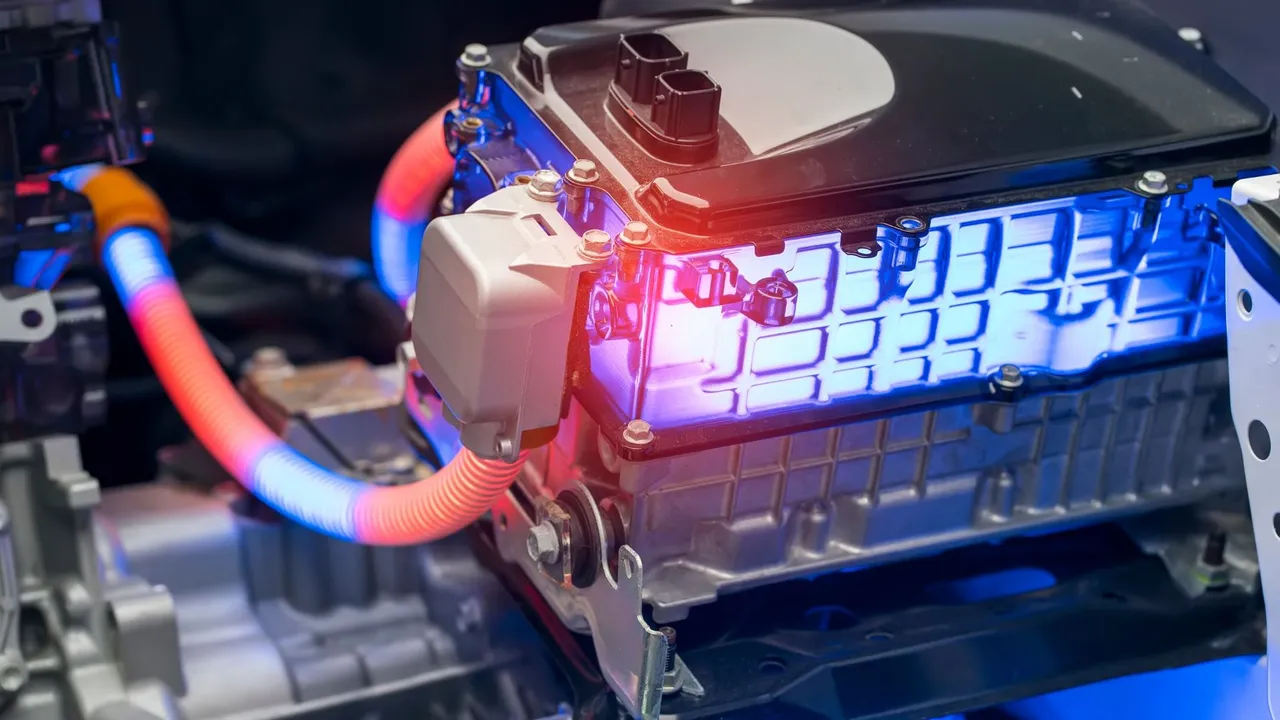
A comparison of electric vehicle battery lifespans from different manufacturers and models.
A comparison of electric vehicle battery lifespans from different manufacturers and models. Ever wondered how long your EV battery will really last? It's a big question for anyone considering an electric car, and for good reason. The battery is the heart of an EV, and its longevity directly impacts the car's performance, range, and resale value. Let's dive deep into the world of EV battery lifespans, comparing different brands, models, and what you can expect.
Comparing EV Battery Lifespan Across Brands
Understanding EV Battery Degradation and Factors Affecting Lifespan
So, what exactly is battery degradation? Think of it like your smartphone battery. Over time, it holds less charge than it did when it was new. EV batteries are no different. This natural process, where the battery's capacity to store energy diminishes, is called degradation. It's influenced by a bunch of factors, both internal to the battery's chemistry and external, like how you drive and charge your car.
Battery Chemistry and Design Impact on Longevity
Not all EV batteries are created equal. The chemistry inside plays a huge role in how long they last. The most common type you'll find today is Lithium-ion, but even within that, there are variations like NMC (Nickel Manganese Cobalt) and LFP (Lithium Iron Phosphate). NMC batteries, often found in longer-range EVs, tend to offer higher energy density but can be more susceptible to degradation at extreme temperatures. LFP batteries, on the other hand, are known for their excellent cycle life and thermal stability, making them a durable choice, even if they offer slightly less range for the same weight. Manufacturers are constantly innovating, developing new chemistries and designs to improve both performance and longevity. For example, some brands are exploring solid-state batteries, which promise even greater energy density and a longer lifespan.
Charging Habits and Their Influence on Battery Health
How you charge your EV is a massive factor in its battery's health. Constantly fast-charging to 100% or letting it frequently drop to near 0% can accelerate degradation. Think of it like this: your battery has a 'sweet spot' for charging, usually between 20% and 80%. Staying within this range as much as possible can significantly extend its life. While occasional fast charging is fine, relying on it daily can put more stress on the battery. Similarly, leaving your car fully charged or fully depleted for extended periods, especially in extreme temperatures, isn't ideal. Most modern EVs have sophisticated battery management systems (BMS) that help mitigate these issues, but good charging habits still make a difference.
Temperature Extremes and Their Effect on EV Batteries
Batteries, like humans, don't like extreme temperatures. Very hot or very cold conditions can accelerate degradation. In hot climates, the battery's internal resistance increases, leading to more heat generation during charging and discharging. In cold climates, the battery's efficiency drops, and charging can be slower. This is why many EVs come with advanced thermal management systems that actively heat or cool the battery to keep it within its optimal operating temperature range. Parking in the shade in hot weather or in a garage in cold weather can also help protect your battery.
Driving Style and Its Contribution to Battery Wear
Aggressive driving – frequent hard accelerations and decelerations – puts more stress on the battery. While EVs are known for their instant torque and exhilarating performance, consistently pushing the battery to its limits can contribute to faster degradation. Smooth, consistent driving, on the other hand, is gentler on the battery and can help preserve its capacity over time. Regenerative braking, a feature in most EVs, actually helps by recovering energy during deceleration, which can be beneficial for battery health.
Leading EV Brands and Their Battery Lifespan Performance
Let's look at some of the big players in the EV market and how their batteries are holding up. It's important to remember that real-world data is still accumulating, but early signs are very promising.
Tesla Battery Longevity and Warranty Information
Tesla, being a pioneer in the EV space, has a wealth of data on battery longevity. Their vehicles typically use NMC chemistry, and their battery management systems are highly advanced. Anecdotal evidence and studies suggest that Tesla batteries generally retain a high percentage of their original capacity even after many years and hundreds of thousands of miles. For example, many early Model S and Model X owners report over 80% capacity retention after 100,000 miles. Tesla's battery warranty typically covers 8 years or 100,000 to 150,000 miles (depending on the model), guaranteeing a minimum capacity retention (usually 70%). This provides a good benchmark for expected lifespan.
Hyundai Kia EV Battery Durability and Guarantees
Hyundai and Kia have made significant strides in the EV market with popular models like the Hyundai Ioniq 5 and Kia EV6. They often use NMC batteries and have also demonstrated strong battery durability. Their warranties are among the best in the industry, often offering 10 years or 100,000 miles, with a similar 70% capacity retention guarantee. This long warranty period reflects their confidence in their battery technology and provides excellent peace of mind for owners.
General Motors EV Battery Performance and Expectations
GM, with models like the Chevrolet Bolt EV and the upcoming Ultium platform vehicles, is another major player. While the Bolt EV faced some battery recall issues in the past, GM has invested heavily in its Ultium battery technology, which promises improved longevity and performance. Ultium batteries are designed to be modular and flexible, allowing for various chemistries and configurations. GM's warranty for its EV batteries is typically 8 years or 100,000 miles, also with a 70% capacity retention guarantee. The Ultium platform is expected to deliver even better long-term durability.
Ford EV Battery Lifespan and Warranty Coverage
Ford has entered the EV market with strong contenders like the Mustang Mach-E and the F-150 Lightning. Their batteries, often NMC, are designed for robust performance and durability. Ford's EV battery warranty is generally 8 years or 100,000 miles, with a 70% capacity retention guarantee. Early data from Mach-E owners suggests good battery health, aligning with industry expectations for modern EV batteries.
Nissan Leaf Battery Degradation and Real World Data
The Nissan Leaf is a bit of a unique case. Early models, particularly those without active thermal management systems, showed more significant battery degradation, especially in hot climates. This was primarily due to the passive air-cooling system. However, newer Leaf models have improved battery chemistry and thermal management, leading to better longevity. Nissan's battery warranty is typically 8 years or 100,000 miles, but it often guarantees a certain number of 'bars' on the battery health indicator rather than a specific percentage, which can be a bit less precise.
Specific EV Models and Their Reported Battery Lifespans
Let's get down to some specific models and what owners are experiencing.
Tesla Model 3 Battery Longevity and Owner Experiences
The Tesla Model 3, especially the Long Range and Performance variants, has shown excellent battery longevity. Many owners report minimal degradation even after 100,000 miles. For instance, a study by Geotab found that Tesla Model 3 batteries degraded by an average of 2.3% per year. This means that after 8 years, you could still expect around 80-85% of your original capacity. Owners often praise the sophisticated battery management system for its role in preserving battery health.
Hyundai Kona Electric Battery Performance Over Time
The Hyundai Kona Electric has been a popular choice for its range and affordability. Owners generally report good battery longevity, with degradation rates comparable to other leading EVs. The 10-year/100,000-mile warranty provides strong assurance. Some owners have reported slight degradation in very hot climates, but overall, the battery holds up well.
Chevrolet Bolt EV Battery Health After Recall and Updates
The Chevrolet Bolt EV's battery history is a bit more complex due to the recall. However, for vehicles with the updated battery packs, performance and longevity are expected to be robust. GM has implemented new diagnostic software and battery modules to address the previous issues. Owners of post-recall Bolts are now experiencing reliable battery performance, backed by GM's standard warranty.
Ford Mustang Mach-E Battery Degradation Reports
Early reports from Ford Mustang Mach-E owners indicate strong battery health. The active liquid cooling system helps maintain optimal battery temperatures, contributing to longevity. While it's still a relatively new model, the initial data suggests that Mach-E batteries are performing well within expectations, with minimal degradation observed in the first few years of ownership.
Porsche Taycan Battery Durability and Fast Charging Impact
The Porsche Taycan is known for its incredible performance and ultra-fast charging capabilities. Despite the high power demands, Porsche has engineered its battery system for durability. The Taycan uses an 800-volt architecture, which allows for very fast charging without excessive heat buildup, thus mitigating some of the degradation risks associated with high-power charging. Owners generally report excellent battery health, even with frequent use of fast chargers.
Comparing Battery Warranties and Guarantees Across Brands
Understanding the warranty is crucial. It's your safety net if something goes wrong with the battery.
Standard EV Battery Warranty Terms and Conditions
Most EV manufacturers offer a battery warranty of at least 8 years or 100,000 miles, whichever comes first. The key detail here is the 'minimum capacity retention' clause, which typically guarantees that the battery will retain at least 70% of its original capacity by the end of the warranty period. If it drops below that, the manufacturer is obligated to repair or replace the battery. It's important to read the fine print, as some warranties might have specific conditions regarding charging habits or service history.
Extended Warranty Options for EV Batteries
Some manufacturers or third-party providers offer extended warranty options for EV batteries. These can provide additional peace of mind, especially if you plan to keep your EV for a very long time or if you're concerned about potential degradation beyond the standard warranty period. However, these extended warranties come at an extra cost, and it's worth evaluating if the benefits outweigh the expense based on your expected usage and the car's projected longevity.
What to Look for in an EV Battery Warranty
When comparing warranties, pay close attention to:
* **Duration and Mileage:** How many years and miles does it cover?
* **Capacity Retention Guarantee:** What percentage of original capacity is guaranteed?
* **Transferability:** Is the warranty transferable to a second owner?
* **Exclusions:** Are there any specific conditions or actions that could void the warranty (e.g., using unauthorized charging equipment, severe accidents)?
* **Repair vs. Replacement:** Does the warranty cover repair, replacement, or both?
Maximizing Your EV Battery Lifespan Practical Tips
You can do a lot to help your EV battery live a long and healthy life.
Optimal Charging Practices for Battery Health
* **Charge to 80% for daily use:** For everyday driving, aim to charge your battery to around 80%. This reduces stress on the battery cells.
* **Avoid frequent 100% charges:** Only charge to 100% when you absolutely need the full range for a long trip.
* **Avoid frequent deep discharges:** Try not to let your battery consistently drop below 20%. This also stresses the battery.
* **Use Level 2 charging when possible:** While fast charging is convenient, relying on Level 2 (240V) charging for daily top-ups is generally gentler on the battery.
* **Pre-condition your battery:** If your EV has this feature, use it. It warms or cools the battery to an optimal temperature before charging or driving, especially in extreme weather.
Thermal Management Strategies for EV Owners
* **Park in the shade:** In hot climates, parking your car in the shade can significantly reduce the battery's exposure to high temperatures.
* **Use cabin pre-conditioning:** Many EVs allow you to pre-condition the cabin while plugged in. This uses grid power to cool or heat the interior, reducing the strain on the battery once you start driving.
* **Avoid leaving your car fully charged or depleted in extreme temperatures:** If you're going to be away for an extended period, try to leave your car with a charge level between 50-70% in a moderate temperature environment.
Software Updates and Their Role in Battery Optimization
EV manufacturers constantly release over-the-air (OTA) software updates. These updates often include improvements to the battery management system (BMS), optimizing charging algorithms, thermal management, and overall battery performance. Make sure your EV's software is always up to date to benefit from these enhancements.
Driving Habits for Extended Battery Life
* **Smooth acceleration and deceleration:** Avoid aggressive driving. Smooth inputs are better for battery health.
* **Utilize regenerative braking:** Let your car's regenerative braking system do its job. It recovers energy and reduces wear on both the battery and the friction brakes.
* **Avoid prolonged high-speed driving:** While EVs are capable of high speeds, sustained high-speed driving generates more heat and can put more stress on the battery.
Future of EV Battery Technology and Lifespan Improvements
The future looks even brighter for EV battery longevity.
Advancements in Battery Chemistry and Materials
Researchers are constantly working on new battery chemistries and materials. Solid-state batteries, for example, promise higher energy density, faster charging, and significantly longer lifespans compared to current lithium-ion batteries. Other innovations include silicon anodes and new cathode materials that can withstand more charge cycles.
Improved Battery Management Systems and AI Integration
Battery management systems are becoming increasingly sophisticated, using AI and machine learning to predict degradation, optimize charging, and manage thermal conditions more effectively. These smart systems will play an even bigger role in extending battery life and ensuring optimal performance throughout the vehicle's lifetime.
Second Life Applications and Battery Recycling Initiatives
Even when an EV battery is no longer suitable for automotive use, it still retains a significant amount of capacity. These 'second-life' batteries can be repurposed for stationary energy storage, such as home backup power or grid-scale storage. This extends their overall utility and reduces waste. Furthermore, battery recycling technologies are rapidly advancing, aiming to recover valuable materials and create a more sustainable closed-loop system for EV batteries.
Recommended EV Models with Excellent Battery Longevity
If battery longevity is a top priority for you, here are a few models that stand out based on current data and manufacturer commitments:
Tesla Model 3 Long Range
* **Why it's great:** Tesla's extensive experience and advanced BMS contribute to excellent battery health. The Model 3 Long Range offers a substantial range, meaning you're less likely to need frequent 100% charges. Owners consistently report high capacity retention over many miles.
* **Typical Usage Scenario:** Ideal for daily commuting with occasional long road trips. Its efficient powertrain and robust battery management make it a reliable choice for long-term ownership.
* **Estimated Price Range (US):** $40,000 - $55,000 (depending on configuration and incentives).
Hyundai Ioniq 5
* **Why it's great:** Hyundai's 10-year/100,000-mile warranty with a 70% capacity guarantee is one of the best in the industry, reflecting strong confidence in their battery technology. The Ioniq 5's E-GMP platform is designed for efficiency and battery durability.
* **Typical Usage Scenario:** A fantastic all-rounder for families and individuals seeking a comfortable, stylish EV with reliable long-term battery performance. Great for both city driving and longer journeys.
* **Estimated Price Range (US):** $42,000 - $58,000 (depending on trim and options).
Kia EV6
* **Why it's great:** Sharing the same E-GMP platform and battery technology as the Ioniq 5, the Kia EV6 also benefits from an industry-leading warranty and strong battery durability. Its sleek design and engaging driving dynamics are a bonus.
* **Typical Usage Scenario:** Similar to the Ioniq 5, the EV6 is well-suited for a wide range of drivers, offering a sporty yet practical EV experience with excellent battery longevity.
* **Estimated Price Range (US):** $43,000 - $62,000 (depending on trim and options).
Porsche Taycan
* **Why it's great:** Despite its high-performance nature and ability to fast charge repeatedly, the Taycan's 800-volt architecture and sophisticated thermal management system ensure remarkable battery durability. Porsche engineering shines through.
* **Typical Usage Scenario:** For enthusiasts who demand performance without compromising on long-term battery health. Ideal for spirited driving and those who frequently utilize fast charging.
* **Estimated Price Range (US):** $90,000 - $190,000+ (depending on model and customization).
BMW i4
* **Why it's great:** BMW has a strong reputation for engineering, and the i4's battery system is designed for longevity and consistent performance. Their battery management is highly refined, and owners report good capacity retention.
* **Typical Usage Scenario:** Perfect for those seeking a premium electric sedan with a sporty feel and reliable battery performance for daily commutes and weekend getaways.
* **Estimated Price Range (US):** $52,000 - $68,000 (depending on trim and options).
Final Thoughts on EV Battery Lifespan
The concern about EV battery lifespan is understandable, but the reality is that modern EV batteries are incredibly durable and designed to last for many years and hundreds of thousands of miles. With proper care and charging habits, you can expect your EV battery to outlast the useful life of the vehicle itself. The industry is constantly innovating, and future batteries promise even greater longevity and performance, making EVs an increasingly attractive and sustainable choice for transportation.
:max_bytes(150000):strip_icc()/277019-baked-pork-chops-with-cream-of-mushroom-soup-DDMFS-beauty-4x3-BG-7505-5762b731cf30447d9cbbbbbf387beafa.jpg)