Comparing Laser Headlights vs LED Headlights
A technical comparison between laser headlights and LED headlights in modern vehicles.
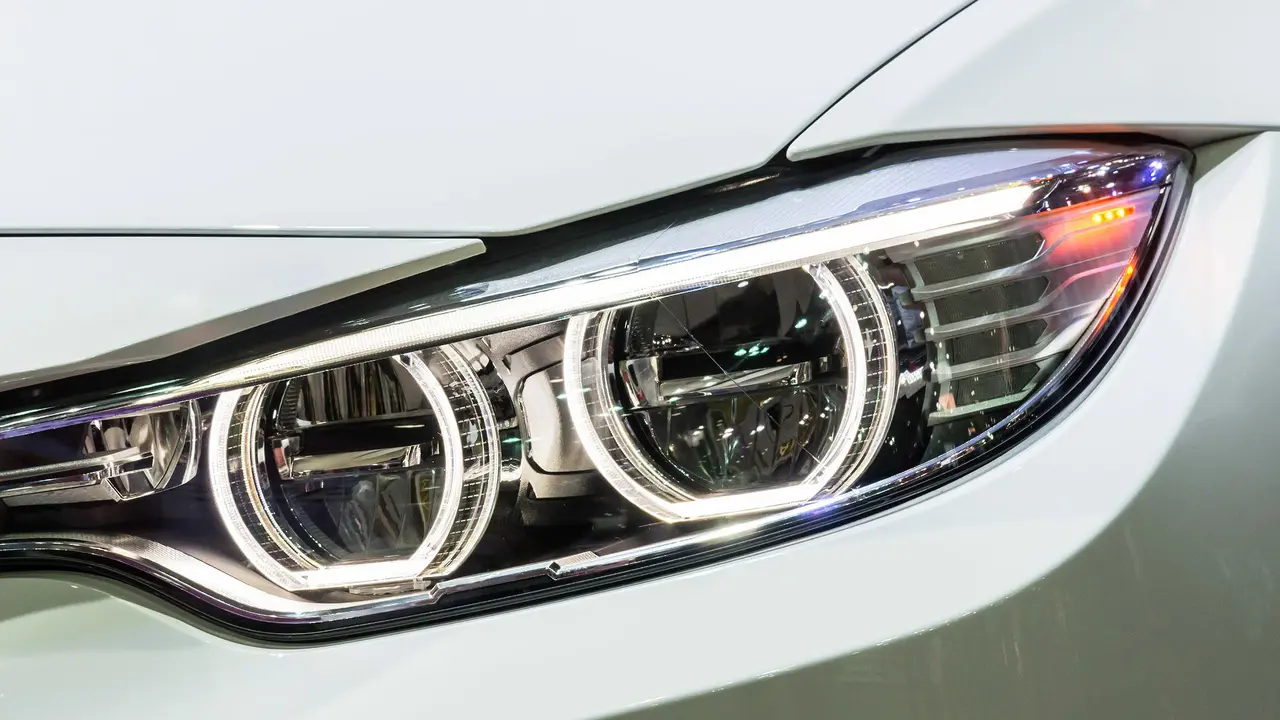
A technical comparison between laser headlights and LED headlights in modern vehicles.
Comparing Laser Headlights vs LED Headlights
Hey there, car enthusiasts and tech-savvy drivers! Let's dive deep into a topic that literally illuminates our roads: automotive lighting. For years, halogen bulbs were the standard, then came Xenon HIDs, and more recently, LEDs have taken over as the go-to for most modern vehicles. But there's a new kid on the block, or rather, a super-bright, super-focused kid: laser headlights. So, what's the real deal? Are laser headlights the future, or are LEDs still holding their own? Let's break down the differences, advantages, disadvantages, and even some specific product recommendations for both, keeping in mind drivers in the US and Southeast Asia.
LED Headlights The Current King of Automotive Illumination
LED, or Light Emitting Diode, technology has revolutionized automotive lighting. They're incredibly efficient, durable, and offer a wide range of design possibilities. You see them everywhere now, from entry-level sedans to high-end luxury SUVs. But what makes them so good?
How LED Headlights Work Understanding the Technology
Unlike traditional incandescent bulbs that heat a filament to produce light, LEDs generate light through electroluminescence. When an electric current passes through a semiconductor material, it emits photons. This process is far more efficient, meaning less energy is wasted as heat. Modern LED headlight assemblies often consist of multiple individual LED chips, sometimes arranged in complex matrices. These matrices allow for adaptive lighting systems, where individual LEDs can be turned on or off, or dimmed, to create dynamic light patterns. This is crucial for features like adaptive high beams, which can selectively dim parts of the beam to avoid dazzling oncoming drivers while keeping the rest of the road brightly lit.
Advantages of LED Headlights Efficiency Durability and Design Freedom
- Energy Efficiency: LEDs consume significantly less power than halogen or HID bulbs. This reduces the load on the vehicle's electrical system and can contribute to slightly better fuel economy (or extended range in EVs).
- Longevity: LED bulbs typically last much longer than other types of automotive lights, often for the entire lifespan of the vehicle. This means fewer bulb replacements and lower maintenance costs.
- Instant On: LEDs illuminate instantly at full brightness, which is a safety advantage, especially for brake lights and turn signals.
- Compact Size and Design Flexibility: Their small size allows designers to create sleek, intricate headlight designs that wouldn't be possible with bulkier traditional bulbs. This has led to the distinctive light signatures we see on many modern cars.
- Brightness and Color Temperature: LEDs offer excellent brightness and can produce a crisp, white light (typically 5000K-6000K) that closely mimics natural daylight, improving visibility and reducing eye strain.
- Adaptive Lighting Capabilities: As mentioned, the ability to control individual LEDs allows for sophisticated adaptive lighting systems, enhancing safety by optimizing light distribution for various driving conditions.
Disadvantages of LED Headlights Cost and Heat Management
- Higher Initial Cost: While prices are coming down, LED headlights are generally more expensive to manufacture and replace than halogen or HID units.
- Heat Management: Although LEDs are efficient, they still generate heat at their base. This heat needs to be dissipated effectively to prevent damage to the LED chips and ensure their longevity. This often requires complex cooling systems, including heat sinks and sometimes even small fans, adding to the complexity and cost of the assembly.
- Replacement Complexity: If an LED module fails, it often requires replacing the entire headlight assembly, which can be very costly, rather than just a simple bulb swap.
Popular Vehicles Featuring LED Headlights US and Southeast Asia Examples
You'll find LED headlights across a vast range of vehicles. In the US, popular models like the Honda CR-V, Toyota Camry, Ford F-150, and Tesla Model 3 all come standard or offer LED lighting. In Southeast Asia, vehicles like the Toyota Corolla Altis, Honda Civic, Mitsubishi Xpander, and many models from brands like Proton and Perodua (in Malaysia) extensively use LED technology for their headlights and taillights. Even many aftermarket upgrade kits for older vehicles now focus on LED conversions due to their benefits.
Laser Headlights The Cutting Edge of Automotive Lighting
Now, let's talk about laser headlights. This technology is still relatively new and primarily found in high-end luxury and performance vehicles. It's not about firing actual lasers onto the road (that would be dangerous!), but rather using lasers to excite a phosphor material, which then emits a super-bright, focused white light.
How Laser Headlights Work A Glimpse into the Future
The process is quite ingenious. Blue laser diodes emit a high-intensity beam onto a small, yellow phosphor converter. This phosphor material is excited by the laser light and emits a brilliant, white light. This white light is then reflected by a mirror and directed through a lens onto the road. The key advantage here is the incredibly small size of the light source (the phosphor converter) and the extreme intensity and focus of the light beam it produces. This allows for a much longer and narrower beam of light compared to LEDs.
Advantages of Laser Headlights Unmatched Range and Precision
- Exceptional Range: This is the biggest selling point. Laser headlights can project a beam of light up to 600 meters (nearly 2,000 feet), which is roughly twice the range of high-beam LED headlights. This significantly improves visibility at high speeds, especially on unlit roads.
- Compact Size: Despite their incredible output, the actual laser light source is tiny, even smaller than an LED. This offers even greater design freedom for automotive engineers.
- Energy Efficiency: Laser headlights are even more energy-efficient than LEDs, consuming less power for a much greater light output.
- Brightness and Focus: They produce an incredibly bright and highly focused beam, allowing for precise illumination of the road ahead without excessive light spill.
Disadvantages of Laser Headlights High Cost and Regulatory Hurdles
- Exorbitant Cost: This is the primary barrier to widespread adoption. Laser headlight systems are extremely complex and expensive to produce, making them exclusive to premium vehicles.
- Heat Management: While the light source itself is small, the laser diodes generate significant heat, requiring sophisticated and robust cooling systems to prevent overheating and ensure longevity.
- Regulatory Restrictions: Due to their intensity, laser headlights often have specific regulatory requirements and are typically only activated at higher speeds (e.g., above 40 mph or 60 km/h) and when no other vehicles are detected, to prevent dazzling. In some regions, their use might be restricted or require specific certifications.
- Limited Availability: Currently, only a handful of high-end models offer laser headlights, usually as an expensive optional extra.
Vehicles Featuring Laser Headlights The Elite Club
As of now, laser headlights are a luxury feature. You'll find them on select models from brands like BMW (e.g., the 7 Series, 8 Series, and X7, often marketed as 'BMW Laserlight'), Audi (e.g., the R8 and A8, sometimes called 'Audi Laser Light'), and occasionally on some high-performance Porsche models. These are typically offered as an optional upgrade, adding several thousand dollars to the vehicle's price tag. For instance, the BMW Laserlight option can add around $1,000 to $1,500 to the vehicle's cost in the US market, depending on the model and package. In Southeast Asia, these vehicles are also available, but the option might be even rarer due to import duties and market preferences.
Comparing Laser vs LED Headlights A Side-by-Side Look
Let's put them head-to-head to see how they stack up:
| Feature | LED Headlights | Laser Headlights |
|---|---|---|
| Light Source | Light Emitting Diodes | Blue laser diodes exciting a phosphor converter |
| Max Range (High Beam) | Up to 300 meters (approx. 1,000 feet) | Up to 600 meters (approx. 2,000 feet) |
| Brightness | Excellent | Exceptional (more intense and focused) |
| Energy Efficiency | Very Good | Even Better |
| Longevity | Very Long (often vehicle lifetime) | Very Long (often vehicle lifetime) |
| Cost | Moderate to High | Very High (premium option) |
| Availability | Widespread (standard on many new cars) | Limited (exclusive to high-end luxury/performance cars) |
| Adaptive Features | Highly capable (matrix LED systems) | Highly capable (often combined with LED for low beam) |
| Heat Management | Requires effective heat sinks | Requires sophisticated cooling systems |
Practical Scenarios When Each Shines Brightest
Best Use Cases for LED Headlights Everyday Driving and Urban Environments
For the vast majority of drivers, LED headlights are more than sufficient and offer excellent performance. They are ideal for:
- Daily Commuting: Their bright, white light improves visibility in urban and suburban settings.
- City Driving: The wide spread of light is great for seeing pedestrians and cyclists.
- Highway Driving: Modern LED high beams provide ample illumination for most highway speeds.
- Adaptive Lighting: Matrix LED systems are fantastic for automatically adjusting the beam pattern to avoid dazzling other drivers while maintaining maximum visibility. This is a huge safety benefit for everyone on the road.
- Cost-Conscious Buyers: LEDs offer a great balance of performance, longevity, and cost compared to laser systems.
Best Use Cases for Laser Headlights High Speed and Unlit Roads
Laser headlights truly come into their own in very specific, high-performance scenarios:
- High-Speed Driving: If you frequently drive at very high speeds on unlit highways or autobahns, the extended range of laser headlights can provide crucial extra reaction time.
- Rural Driving: On completely dark, winding country roads, the ability to see much further ahead is a significant advantage.
- Luxury and Performance Vehicles: For owners of high-end sports cars or luxury sedans who want the absolute latest and greatest technology, laser headlights are a statement of technological prowess.
Aftermarket Options and Upgrades Enhancing Your Vehicle's Lighting
What if your car didn't come with fancy LEDs or lasers? Don't worry, there are plenty of aftermarket options, especially for LED upgrades.
Aftermarket LED Headlight Bulbs and Assemblies
For vehicles that originally came with halogen bulbs, upgrading to aftermarket LED bulbs is a popular choice. These bulbs are designed to fit into existing halogen housings. However, it's crucial to choose high-quality products to avoid issues like poor beam patterns, glare for oncoming drivers, or flickering. Look for brands that offer proper heat management and a clear cut-off line.
Recommended Aftermarket LED Products for US and Southeast Asia
- Philips Ultinon Essential LED: These are a great entry-level option, offering good brightness and a decent beam pattern. They are generally plug-and-play for many vehicles and are widely available in both regions. Price: ~$50-80 per pair.
- Auxbeam F-16 Series LED Headlight Bulbs: A popular choice for their brightness and relatively easy installation. They often feature active cooling (small fans) for better heat dissipation. Price: ~$60-100 per pair.
- Hikari UltraFocus LED Headlight Bulbs: Known for their focused beam pattern and high lumen output, these are a step up in performance. They are often recommended for projector-style headlights. Price: ~$80-120 per pair.
- Morimoto 2Stroke 3.0 LED Headlight Bulbs: A premium aftermarket option, offering excellent light output, precise beam patterns, and robust construction. They are more expensive but deliver top-tier performance. Price: ~$150-200 per pair.
Important Note on Aftermarket LEDs: While many aftermarket LED bulbs are available, their legality and effectiveness can vary. Some jurisdictions have strict regulations regarding headlight modifications. Always check local laws before installing. Also, simply replacing a halogen bulb with an LED in a reflector housing designed for halogen can often lead to excessive glare for other drivers, even if it seems brighter to you. For the best results, consider a full LED projector retrofit if your budget allows, or stick to reputable brands that specifically design their LED bulbs for proper beam patterns in various housing types.
Aftermarket Laser Headlights Not Really a Thing Yet
As for aftermarket laser headlights? Forget about it for now. The technology is far too complex, expensive, and regulated for any viable aftermarket solution. If you see someone claiming to sell 'laser headlights' for your regular car, it's almost certainly a scam or a product that uses a laser-like aesthetic (e.g., a red or blue laser line) rather than actual laser illumination for the road. Stick to reputable LED upgrades if you're looking to improve your lighting.
The Future of Automotive Lighting Beyond LEDs and Lasers
OLED and Digital Light Technology The Next Frontier
The automotive lighting landscape is constantly evolving. Beyond LEDs and lasers, we're already seeing advancements in:
- OLED (Organic Light Emitting Diode): While not yet used for headlights due to brightness limitations, OLEDs are fantastic for taillights and interior lighting. They are incredibly thin, flexible, and can create uniform, glowing surfaces, allowing for stunning and unique light signatures. Audi and BMW are already using OLEDs in their taillights.
- Digital Light / Micro-Mirror Array Headlights: Mercedes-Benz's 'Digital Light' and Audi's 'Digital Matrix LED' systems are essentially ultra-high-resolution projectors. They use millions of micro-mirrors to project light onto the road with incredible precision. This allows for not just adaptive high beams, but also the ability to project symbols, warnings, or even guidance lines directly onto the road surface. Imagine your car projecting a crosswalk for a pedestrian or guiding you through a narrow construction zone with light arrows. This technology is incredibly sophisticated and offers unparalleled control over light distribution.
Smart Lighting Systems Integration with Vehicle Sensors
The future of automotive lighting isn't just about how bright or far the light goes, but how smart it is. Integrated with vehicle sensors (cameras, radar, lidar), GPS, and even V2X (Vehicle-to-Everything) communication, headlights will become even more adaptive and predictive. They'll be able to anticipate turns, highlight hazards, and communicate with other vehicles and infrastructure, further enhancing safety and driving comfort.
Making Your Choice What's Right for You
So, when it comes to laser vs. LED headlights, the choice is pretty clear for most folks. LEDs are the practical, high-performance, and increasingly affordable choice for the vast majority of drivers. They offer excellent visibility, longevity, and advanced adaptive features that significantly enhance safety and comfort for everyday driving, whether you're navigating the bustling streets of Bangkok or cruising down a US interstate.
Laser headlights, on the other hand, are a niche, ultra-premium technology. They offer unparalleled long-range illumination, but at a significant cost and with limited practical benefits for most driving scenarios. Unless you're regularly driving a high-performance vehicle at high speeds on completely unlit roads and have a budget that allows for the absolute cutting edge, LEDs will serve you exceptionally well.
Ultimately, both technologies represent incredible advancements in automotive safety and design. As technology progresses, we can expect LED systems to become even more sophisticated and affordable, while laser technology might eventually trickle down to more mainstream vehicles, or perhaps be superseded by even more advanced digital light systems. For now, embrace the brilliance of LEDs, and if you ever get the chance to experience laser headlights, enjoy the glimpse into the future of automotive illumination!
:max_bytes(150000):strip_icc()/277019-baked-pork-chops-with-cream-of-mushroom-soup-DDMFS-beauty-4x3-BG-7505-5762b731cf30447d9cbbbbbf387beafa.jpg)