How to Improve Your Car's Fuel Efficiency
Practical tips and strategies to enhance your car's fuel efficiency and save on gas costs.
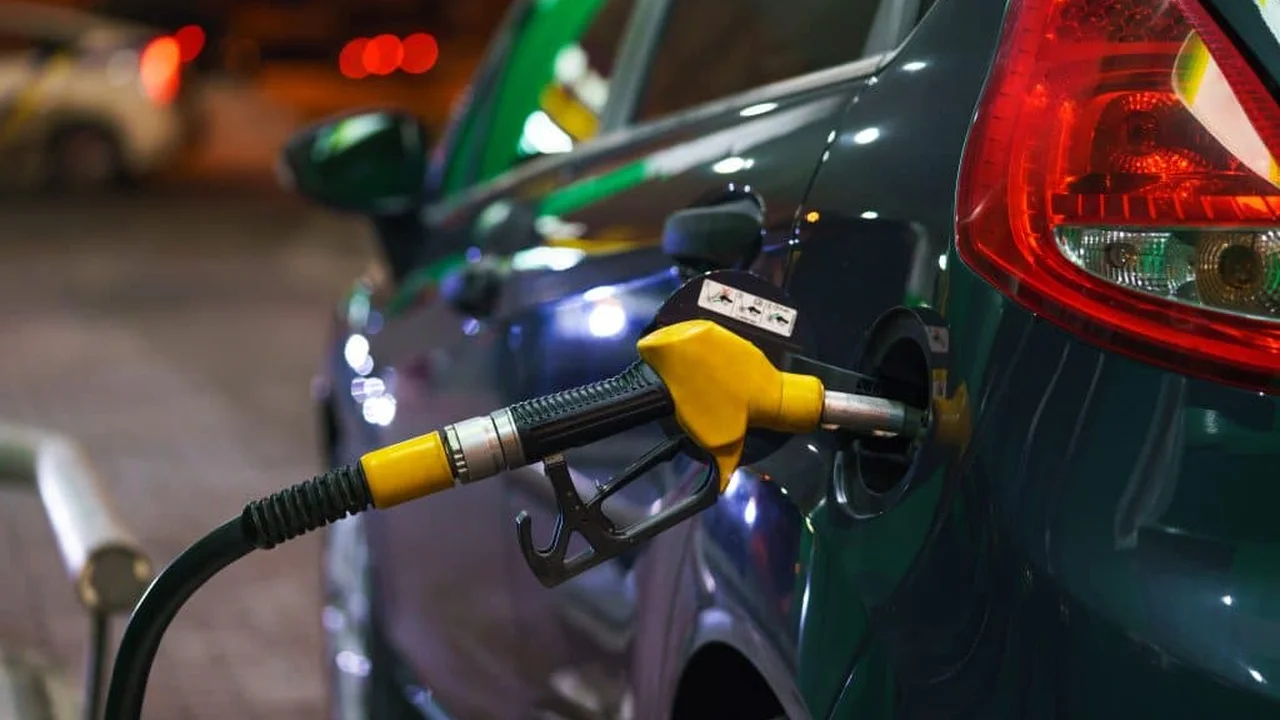
Practical tips and strategies to enhance your car's fuel efficiency and save on gas costs. Let's face it, nobody enjoys spending a fortune at the gas pump. Whether you're driving a compact sedan in bustling Bangkok or a large SUV across the vast American highways, fuel costs can really add up. But what if I told you there are numerous ways to squeeze more miles out of every gallon or liter of fuel? It's not just about saving money; it's also about reducing your carbon footprint and being a more environmentally conscious driver. This comprehensive guide will walk you through everything you need to know, from simple driving habit adjustments to smart maintenance choices and even some cool gadgets that can help you track and improve your fuel economy.
Understanding Fuel Efficiency What It Means for Your Wallet and the Planet
Before we dive into the 'how-to,' let's quickly grasp what fuel efficiency actually means. In simple terms, it's how well your vehicle converts fuel into kinetic energy to move you from point A to point B. The higher your fuel efficiency, the less fuel you consume for a given distance. This translates directly into fewer trips to the gas station and more money in your pocket. Beyond personal savings, better fuel efficiency means fewer emissions, contributing to cleaner air and a healthier planet. It's a win-win situation!
Driving Habits That Boost Your Miles Per Gallon or Liter
Believe it or not, the way you drive has a massive impact on your car's fuel consumption. Small changes in your driving style can lead to significant savings over time. Let's explore some key habits:
Smooth Acceleration and Braking The Gentle Driver's Secret
Aggressive driving – rapid acceleration, sudden braking, and speeding – is a major fuel guzzler. When you stomp on the accelerator, your engine demands a lot of fuel to quickly increase speed. Similarly, hard braking wastes the energy you just used to accelerate. Think of it like this: every time you brake hard, you're essentially throwing away the momentum you paid for with fuel. Instead, aim for smooth, gradual acceleration and anticipate traffic to allow for gentle deceleration. This 'hypermiling' technique can improve your fuel economy by 15-30% at highway speeds and 10-40% in stop-and-go traffic. It's not about driving slowly, but driving smartly.
Maintaining a Steady Speed Cruise Control is Your Friend
Fluctuating speeds, especially on highways, force your engine to constantly adjust, consuming more fuel. Using cruise control on flat roads helps maintain a consistent speed, optimizing fuel usage. However, be mindful when using it on hilly terrain; your car might accelerate excessively uphill, using more fuel than if you managed the throttle manually. For most highway driving, though, cruise control is a fantastic tool for efficiency.
Avoiding Excessive Idling Turn Off Your Engine
Idling burns fuel without getting you anywhere. If you're going to be stopped for more than 30 seconds – waiting for someone, at a long traffic light, or in a drive-thru – it's generally more fuel-efficient to turn off your engine and restart it when you're ready to go. Modern cars are designed for frequent starts and stops, so don't worry about excessive wear and tear on the starter motor. Many newer vehicles even come with automatic start-stop systems for this very reason.
Observing Speed Limits The Law and Your Wallet Agree
This one is straightforward. The faster you drive, the more aerodynamic drag your car experiences, and the more fuel your engine needs to overcome it. Fuel efficiency typically decreases significantly above 50-60 mph (80-97 km/h). Sticking to speed limits not only keeps you safe and avoids tickets but also keeps your fuel consumption in check. For example, driving at 65 mph instead of 75 mph can improve your fuel economy by about 10-15%.
Proper Gear Usage for Manual Transmissions Optimize Your Shifts
If you drive a manual transmission, shifting into higher gears as soon as possible without lugging the engine will keep your RPMs lower, leading to better fuel economy. Avoid revving the engine unnecessarily. For automatic transmissions, modern cars are pretty good at optimizing gear changes, but being gentle with the throttle still helps.
Vehicle Maintenance Essentials for Optimal Fuel Economy
Your car is a complex machine, and like any machine, it performs best when well-maintained. Neglecting maintenance can directly impact your fuel efficiency.
Tire Pressure The Unsung Hero of Fuel Savings
Underinflated tires increase rolling resistance, forcing your engine to work harder and consume more fuel. Check your tire pressure regularly – at least once a month and before long trips – using a reliable gauge. You'll find the recommended pressure in your car's owner's manual or on a sticker inside the driver's side door jamb. Don't just rely on the pressure printed on the tire sidewall, as that's the maximum pressure, not the recommended operating pressure. Maintaining proper tire pressure can improve fuel economy by up to 3%.
Engine Air Filter A Breath of Fresh Air for Your Engine
A dirty or clogged air filter restricts airflow to the engine, making it work harder and less efficiently. Replacing a dirty air filter can improve your car's acceleration performance and, in some cases, its fuel economy. It's a relatively inexpensive and easy maintenance item to check and replace.
Spark Plugs The Ignition Ignition of Efficiency
Worn or fouled spark plugs can lead to misfires and inefficient combustion, wasting fuel. Replacing them according to your manufacturer's recommended schedule ensures your engine is getting a strong, consistent spark, leading to optimal fuel burning.
Oil Changes and the Right Viscosity Keep Things Running Smoothly
Using the correct type and viscosity of engine oil recommended by your car's manufacturer is crucial. Fresh, clean oil reduces friction within the engine, allowing it to operate more efficiently. Using a lower viscosity oil (e.g., 5W-20 instead of 10W-30, if recommended by the manufacturer) can also slightly improve fuel economy, especially in colder climates, by reducing internal engine drag.
Wheel Alignment and Balance Smooth Rolling, Less Resistance
Misaligned wheels or unbalanced tires can cause increased rolling resistance and uneven tire wear, both of which negatively impact fuel efficiency. Regular alignment checks and tire balancing ensure your wheels are pointing straight and rolling smoothly, reducing unnecessary drag.
Oxygen Sensor Check Your Emissions, Save Your Fuel
A faulty oxygen sensor can cause your engine to burn more fuel than necessary. This sensor monitors the amount of oxygen in your exhaust gases and sends data to your car's computer to adjust the air-fuel mixture. A bad sensor can reduce fuel economy by up to 40% if left unaddressed. If your 'Check Engine' light comes on, it's worth getting it diagnosed.
Smart Choices Beyond the Driver's Seat Optimize Your Vehicle and Environment
Beyond driving habits and maintenance, there are other smart choices you can make to improve your car's fuel efficiency.
Reducing Excess Weight Lighten the Load
Every extra pound (or kilogram) your car carries requires more energy to move. Remove unnecessary items from your trunk, back seat, or roof rack. That old golf club set you haven't used in months? Take it out! Even small reductions in weight can lead to marginal improvements in fuel economy. For every 100 pounds (45 kg) of extra weight, your fuel economy can decrease by about 1-2%.
Aerodynamics Matters Minimize Drag
Roof racks, cargo carriers, and even open windows at highway speeds create aerodynamic drag, forcing your engine to work harder. Remove roof racks when not in use, and keep windows closed on the highway. If you need to carry items on the roof, consider aerodynamic cargo boxes that are designed to minimize drag.
Air Conditioning Use It Wisely
Running your air conditioner puts an extra load on the engine, consuming more fuel. While you shouldn't suffer in the heat, use AC judiciously. On cooler days or at lower speeds, opening windows might be more efficient. At highway speeds, however, the aerodynamic drag from open windows can sometimes consume more fuel than the AC, so it's a balance. Generally, AC use can reduce fuel economy by 5-25%.
Planning Your Routes Combine Trips and Avoid Traffic
Efficient trip planning can save a surprising amount of fuel. Combine multiple errands into one trip to avoid cold starts (when your engine is least efficient) and unnecessary driving. Use navigation apps to find the most efficient routes, avoiding heavy traffic and construction, which often involve stop-and-go driving and idling.
Fuel Efficiency Gadgets and Technologies Tools to Help You Save
Technology offers some cool tools to help you monitor and improve your fuel economy. Here are a few categories and specific product recommendations:
OBD2 Scanners and Fuel Economy Monitors Track Your Performance
These devices plug into your car's On-Board Diagnostics (OBD2) port (standard on all cars made after 1996 in the US, and similar standards exist in Southeast Asia). They can provide real-time data on fuel consumption, engine load, and other parameters, helping you understand how your driving affects efficiency.
- Product Recommendation: ScanGauge II
- Description: A popular and versatile OBD2 scanner that displays up to four real-time digital gauges simultaneously, including instant MPG, average MPG, fuel used, cost per trip, and more. It also reads and clears trouble codes.
- Use Case: Ideal for drivers who want detailed, real-time feedback on their driving habits to actively adjust for better fuel economy.
- Comparison: More advanced than basic OBD2 readers, offering customizable gauges and trip computers.
- Price: Approximately $120 - $160 USD.
- Product Recommendation: FIXD OBD2 Scanner
- Description: A simpler, app-based OBD2 scanner that connects to your smartphone via Bluetooth. It focuses on diagnosing check engine lights and providing basic maintenance reminders, but also offers some fuel economy tracking features within its app.
- Use Case: Great for casual users who want an easy-to-use device that provides insights into their car's health and some fuel data without a dedicated display.
- Comparison: Less real-time data display than ScanGauge II, but more user-friendly for smartphone integration.
- Price: Approximately $60 - $80 USD.
GPS Navigation Systems with Eco-Routing Find the Greenest Path
Many modern GPS systems and smartphone apps now offer 'eco-routing' or 'fuel-efficient routing' options. These algorithms calculate routes that minimize fuel consumption, often by avoiding steep hills, excessive stop-and-go traffic, and high-speed sections where fuel efficiency drops.
- Product Recommendation: Google Maps / Waze (Smartphone Apps)
- Description: Both popular navigation apps offer features that can help with fuel efficiency. Google Maps has an 'eco-friendly routing' option that prioritizes routes with lower fuel consumption, even if they're not the fastest. Waze, with its real-time traffic data, helps you avoid congestion, which is a major fuel killer.
- Use Case: Everyday drivers who already use these apps can simply enable the eco-friendly options to start saving fuel.
- Comparison: Free and widely available, leveraging crowd-sourced data for traffic avoidance. Dedicated GPS units might offer more robust offline mapping but often lack the real-time traffic updates of these apps.
- Price: Free (data charges may apply).
- Product Recommendation: Garmin DriveSmart 66 with Traffic
- Description: A dedicated GPS unit that offers live traffic updates and can help you find the most efficient routes. While not explicitly 'eco-routing' in the same way as Google Maps, its superior traffic avoidance capabilities indirectly lead to better fuel economy.
- Use Case: Drivers who prefer a dedicated navigation device over a smartphone, especially for long trips where offline maps and reliable traffic are crucial.
- Comparison: More reliable in areas with poor cell service than smartphone apps, but lacks the direct 'eco-routing' algorithms of some apps.
- Price: Approximately $200 - $250 USD.
Tire Pressure Monitoring Systems TPMS Beyond the Dashboard Light
While most modern cars have integrated TPMS, aftermarket systems can provide more precise, real-time pressure readings for each tire, often with temperature monitoring. This allows you to catch underinflation before it becomes a significant issue.
- Product Recommendation: FOBO Tire Plus 2
- Description: An advanced Bluetooth-based TPMS that provides real-time tire pressure and temperature readings directly to your smartphone. It alerts you if pressure drops below a set threshold.
- Use Case: Drivers who want precise, continuous monitoring of their tire pressure for optimal safety and fuel efficiency, especially for vehicles without integrated TPMS or those who want more detailed data.
- Comparison: More accurate and detailed than basic dashboard TPMS lights, offering individual tire data.
- Price: Approximately $100 - $150 USD for a set of four sensors.
Fuel Additives Do They Really Work
This is a tricky one. While many fuel additives claim to boost MPG, most reputable automotive experts agree that for modern, well-maintained engines, the benefits are often negligible or non-existent. Premium fuels already contain detergents that keep your engine clean. However, some fuel system cleaners can be beneficial if you have an older car or suspect deposits are affecting performance.
- Product Recommendation: Techron Concentrate Plus Fuel System Cleaner
- Description: A highly regarded fuel system cleaner that helps remove deposits from fuel injectors, intake valves, and combustion chambers. While not a direct MPG booster, a cleaner fuel system operates more efficiently.
- Use Case: For vehicles experiencing rough idling, hesitation, or reduced performance due to carbon buildup. It can restore lost fuel efficiency by cleaning the system.
- Comparison: One of the most trusted brands for fuel system cleaning, often recommended by mechanics.
- Price: Approximately $10 - $20 USD per bottle.
The Bigger Picture Fuel Efficiency and Your Lifestyle
Ultimately, improving your car's fuel efficiency is a combination of conscious choices. It's about being aware of your driving habits, staying on top of maintenance, and making smart decisions about how and when you use your vehicle. By implementing these tips, you'll not only save money at the pump but also contribute to a cleaner environment. So, next time you hit the road, remember these strategies and enjoy the extra miles you get from every drop of fuel.
:max_bytes(150000):strip_icc()/277019-baked-pork-chops-with-cream-of-mushroom-soup-DDMFS-beauty-4x3-BG-7505-5762b731cf30447d9cbbbbbf387beafa.jpg)