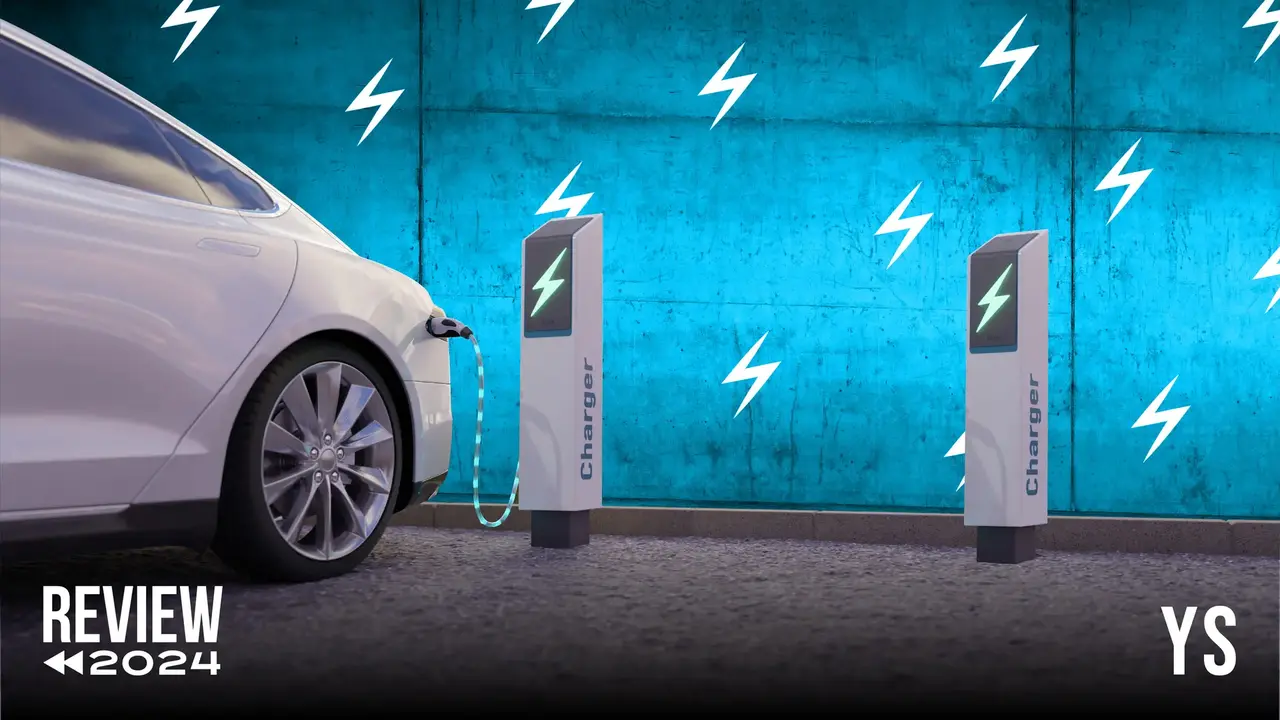
Impact of EV Production on Global Supply Chains
Analyze how the increasing production of electric vehicles affects global supply chains.
Analyze how the increasing production of electric vehicles affects global supply chains.
Impact of EV Production on Global Supply Chains
Understanding the EV Supply Chain Ecosystem
Hey there! Let's dive into something super important for anyone interested in the future of cars and, well, everything: how electric vehicle (EV) production is shaking up global supply chains. It's not just about making more cars; it's about a whole new way of thinking about materials, manufacturing, and logistics. The EV ecosystem is complex, involving everything from mining rare earth minerals to sophisticated battery manufacturing and advanced software integration. This shift isn't just a minor tweak; it's a fundamental reorientation of industrial processes that have been in place for over a century.
The Rise of Critical Minerals and Geopolitical Implications
One of the biggest game-changers with EVs is the demand for critical minerals. We're talking about lithium, cobalt, nickel, and graphite – the building blocks of those powerful EV batteries. Unlike traditional gasoline cars that rely heavily on oil, EVs need these specific elements. And guess what? The sources for these minerals aren't evenly distributed around the globe. For instance, a huge chunk of the world's cobalt comes from the Democratic Republic of Congo, and lithium production is dominated by a few countries like Australia, Chile, and Argentina. China, meanwhile, has a near-monopoly on refining many of these materials and producing battery components.
This concentration of resources creates some serious geopolitical implications. Countries are scrambling to secure their supply chains, leading to new trade agreements, strategic partnerships, and sometimes, even tensions. It's a race to control the future of mobility, and access to these minerals is the golden ticket. For example, the US and European Union are actively seeking to reduce their reliance on China for battery materials, investing in domestic mining and processing capabilities. This isn't just about economics; it's about national security and technological independence.
Battery Manufacturing Challenges and Innovations
Once those minerals are extracted, they need to be turned into batteries. This is another massive bottleneck and a huge area of innovation. Battery manufacturing is incredibly complex and energy-intensive. The sheer scale of demand for EV batteries means that gigafactories are popping up all over the world, from Nevada to Germany to Indonesia. These factories require massive investments and highly specialized labor.
There's also a constant push for better, cheaper, and more sustainable batteries. We're seeing innovations like solid-state batteries, which promise higher energy density and faster charging, and new chemistries that reduce the reliance on controversial materials like cobalt. Companies like Tesla, Panasonic, LG Energy Solution, and CATL are at the forefront of this battery arms race. For instance, CATL, a Chinese giant, is a major supplier to many global automakers, showcasing the global interconnectedness of this industry. Meanwhile, companies like QuantumScape are making strides in solid-state technology, potentially revolutionizing battery safety and performance. The cost of batteries has fallen dramatically over the past decade, but further reductions are crucial for EVs to reach price parity with internal combustion engine vehicles.
Semiconductor Shortages and Automotive Production
Remember the semiconductor shortage that plagued the automotive industry a couple of years ago? EVs are even more reliant on these tiny chips than traditional cars. From advanced driver-assistance systems (ADAS) to infotainment and power management, semiconductors are everywhere in an EV. The complexity of EV electronics means that any disruption in the semiconductor supply chain can bring production to a grinding halt. This vulnerability highlighted the need for greater resilience and diversification in chip manufacturing, with governments pushing for more domestic production in regions like North America and Europe.
The automotive industry, traditionally a just-in-time manufacturing powerhouse, learned a harsh lesson about the fragility of global supply chains during the pandemic. Companies like Ford and General Motors had to idle plants, costing billions in lost revenue. This experience is driving a re-evaluation of sourcing strategies, with a greater emphasis on redundancy and regionalization.
Logistics and Infrastructure Overhaul for EVs
Moving all these components around the world, and then the finished EVs themselves, requires a massive logistical effort. Batteries are heavy and sometimes hazardous, requiring specialized shipping. Charging infrastructure needs to be built out globally to support the growing fleet of EVs. This isn't just about charging stations; it's about upgrading electrical grids, ensuring reliable power supply, and developing smart charging solutions.
Consider the journey of a single EV. Lithium might be mined in Australia, processed in China, turned into battery cells in South Korea, assembled into a battery pack in Mexico, and then integrated into a car built in the US. Each step involves complex logistics, customs, and transportation networks. The sheer volume of materials and finished products moving across continents is staggering, putting pressure on ports, shipping lanes, and ground transportation networks.
Recycling and the Circular Economy for EV Batteries
What happens when an EV battery reaches the end of its life? This is a crucial question for sustainability and supply chain resilience. Recycling critical minerals from old batteries can reduce the reliance on new mining and create a more circular economy. Companies like Redwood Materials, founded by former Tesla CTO JB Straubel, are leading the charge in battery recycling, aiming to create a closed-loop supply chain for battery materials. They're building massive recycling facilities in the US, capable of processing gigawatt-hours worth of battery waste.
The challenge is developing cost-effective and efficient recycling processes that can recover a high percentage of valuable materials. This also involves establishing collection networks for end-of-life batteries, which can be complex given their size and potential hazards. However, the long-term benefits of a robust recycling infrastructure are immense, both environmentally and economically, by reducing the need for virgin materials and mitigating geopolitical risks associated with mineral sourcing.
Labor and Skills Development for the EV Era
The shift to EV production also has significant implications for the workforce. Manufacturing EVs and batteries requires different skills than building traditional gasoline cars. There's a growing demand for engineers specializing in battery chemistry, power electronics, and software development. Traditional automotive workers need retraining to adapt to new assembly processes and technologies. This transition presents both challenges and opportunities for job creation and economic development in regions embracing EV manufacturing.
Governments and educational institutions are partnering with industry to develop training programs and apprenticeships to equip the workforce with the necessary skills for the EV era. This includes everything from advanced robotics and automation to data analytics and cybersecurity, reflecting the high-tech nature of modern vehicle production.
Government Policies and Incentives Driving Change
Government policies play a massive role in shaping the EV supply chain. Subsidies for EV purchases, investments in charging infrastructure, and regulations promoting EV adoption all create demand that ripples through the supply chain. Policies aimed at localizing production, like the US Inflation Reduction Act, are also influencing where batteries and EVs are manufactured, leading to a reshuffling of global manufacturing footprints.
These policies are not just about boosting sales; they are strategic tools to build domestic industrial capabilities, create jobs, and enhance national competitiveness in the burgeoning EV market. The interplay between government incentives, technological advancements, and market demand is creating a dynamic and rapidly evolving global automotive landscape.
The Future Outlook for EV Supply Chains
Looking ahead, the EV supply chain will continue to evolve rapidly. We'll likely see further diversification of mineral sources, more advanced battery technologies, and increasingly localized manufacturing. The focus will be on building more resilient, sustainable, and ethical supply chains. This means greater transparency, responsible sourcing practices, and a strong emphasis on environmental and social governance (ESG) throughout the entire value chain.
The journey to a fully electric future is complex, but it's also an incredible opportunity for innovation and economic growth. The global supply chain for EVs is a testament to human ingenuity and our collective drive towards a more sustainable future. It's a story of interconnectedness, competition, and constant evolution, shaping not just the automotive industry but the global economy as a whole.
:max_bytes(150000):strip_icc()/277019-baked-pork-chops-with-cream-of-mushroom-soup-DDMFS-beauty-4x3-BG-7505-5762b731cf30447d9cbbbbbf387beafa.jpg)