Impact of Supply Chain Issues on Car Production
Examine how global supply chain disruptions affect automotive production and availability.
Examine how global supply chain disruptions affect automotive production and availability.
Impact of Supply Chain Issues on Car Production
Hey everyone, let's talk about something that's been a real headache for car buyers and manufacturers alike over the past few years: supply chain issues. It's not just about waiting a bit longer for your new car; it's a complex web of global economics, logistics, and unforeseen events that has fundamentally reshaped the automotive industry. We're going to dive deep into how these disruptions happen, what their real-world effects are, and what the industry is doing to adapt. This isn't just some abstract economic theory; it directly impacts the cars we drive, the prices we pay, and even the features available in our vehicles.
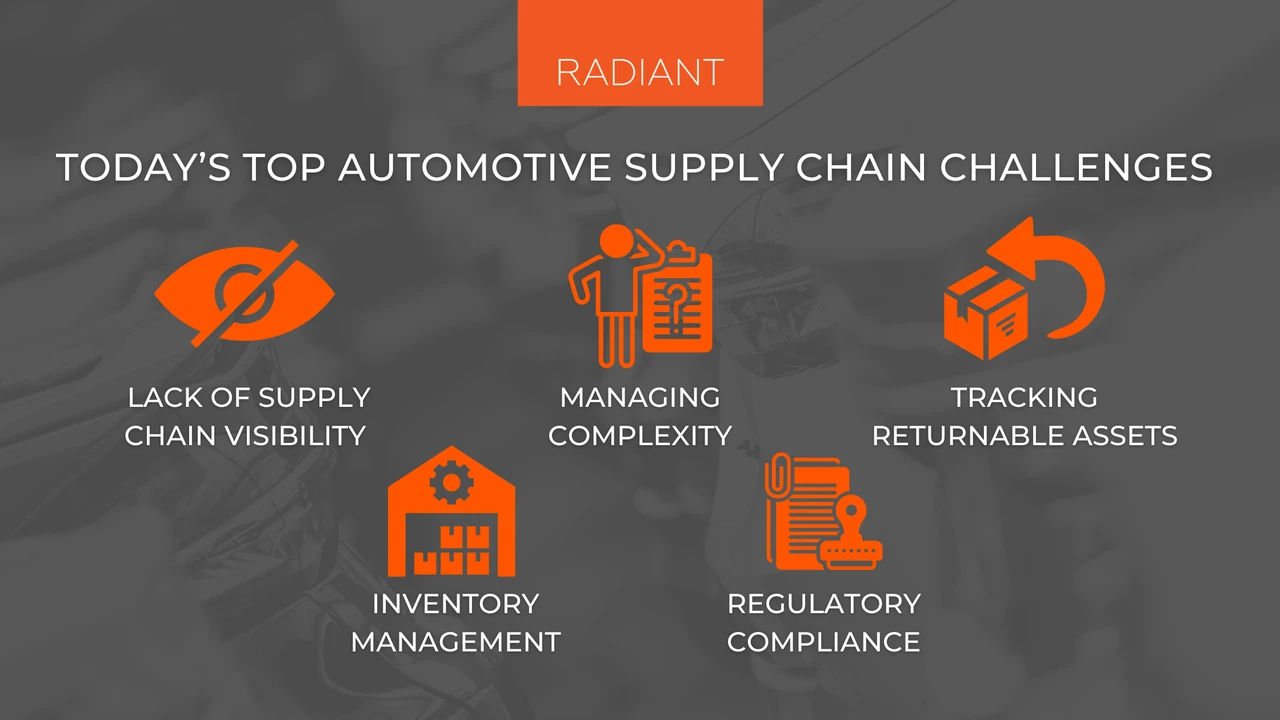
Understanding the Automotive Supply Chain Complexity
First off, let's get a grip on just how intricate the automotive supply chain is. It's not simply a factory making a car. Think about it: a single car can have tens of thousands of individual parts. These parts come from hundreds, if not thousands, of suppliers located all over the world. From microchips manufactured in Taiwan to rubber sourced from Southeast Asia, steel from China, and specialized plastics from Europe, the journey of a car part before it even reaches the assembly line is mind-boggling. Each component has its own mini-supply chain, involving raw material extraction, processing, manufacturing, and transportation. Any hiccup at any stage, in any part of the world, can create a ripple effect that eventually slows down or even halts car production.
The Semiconductor Shortage A Major Disruptor for Car Manufacturing
If there's one thing that really highlighted the fragility of the automotive supply chain, it's the semiconductor shortage. Remember when you couldn't find a new car, or if you did, it was missing certain features? That was largely due to a lack of these tiny but mighty chips. Modern cars are essentially computers on wheels. They rely on semiconductors for everything from engine management and infotainment systems to advanced driver-assistance features like adaptive cruise control and automatic emergency braking. When the pandemic hit, demand for consumer electronics like laptops and gaming consoles surged, and chip manufacturers prioritized these higher-margin products. The automotive industry, which typically uses older, less profitable chip designs, found itself at the back of the queue. This led to massive production cuts, with some manufacturers even shipping cars without certain features, promising to install them later. It was a stark reminder of how dependent the industry has become on a few key suppliers and how a single component can bring an entire global industry to its knees.
Logistics and Transportation Bottlenecks Impacting Car Availability
Beyond parts shortages, getting those parts (and finished cars) from point A to point B has also been a huge challenge. We've seen unprecedented congestion at ports, a shortage of shipping containers, and a lack of truck drivers. Imagine a container ship loaded with critical car components sitting offshore for weeks because there aren't enough dockworkers to unload it, or not enough trucks to transport the goods once they're offloaded. This isn't just a minor delay; it adds significant costs and unpredictability to the entire process. For example, the cost of shipping a container from Asia to the US skyrocketed during the pandemic, sometimes increasing tenfold. These increased costs inevitably get passed on to the consumer in the form of higher car prices. Furthermore, the unpredictability makes it incredibly difficult for manufacturers to plan production schedules, leading to stop-start operations and further inefficiencies.
Labor Shortages and Their Effect on Automotive Production Lines
It's not just about parts and shipping; people are a crucial part of the supply chain too. Labor shortages, exacerbated by the pandemic and changing workforce dynamics, have impacted everything from raw material extraction to manufacturing and logistics. Factories have struggled to find enough skilled workers, leading to reduced output. Port operations have been hampered by a lack of longshoremen. Trucking companies have faced a severe shortage of drivers, making it harder to move goods. These labor issues create bottlenecks at various points in the supply chain, further slowing down the flow of components and finished vehicles. When a factory can't run at full capacity because it doesn't have enough staff, it directly translates to fewer cars being produced and longer waiting times for customers.
Geopolitical Events and Trade Policies Shaping Automotive Supply Chains
Let's not forget the role of geopolitics and trade policies. Tariffs, trade disputes, and international conflicts can significantly disrupt established supply routes and relationships. For instance, trade tensions between major economic powers can lead to tariffs on imported components, increasing costs for manufacturers. Political instability in a region that's a key source of raw materials can halt production. The war in Ukraine, for example, disrupted the supply of neon gas, which is critical for semiconductor manufacturing, and also affected the supply of wiring harnesses produced in the region. These events highlight the vulnerability of a globally interconnected supply chain to political and economic shifts, forcing companies to constantly re-evaluate their sourcing strategies and consider diversification.
Impact on Car Availability and Pricing for Consumers
So, what does all this mean for you, the car buyer? In short: fewer cars, higher prices, and sometimes, fewer options. When production is constrained, demand often outstrips supply, giving dealerships less incentive to offer discounts. We've seen average transaction prices for new cars soar, and even used car prices hit record highs as people looked for alternatives. Features that were once standard might become optional, or even unavailable, as manufacturers prioritize essential components. Waiting lists for popular models have become common, stretching for months or even over a year. This shift has also empowered dealerships, as they often have limited inventory and can command higher prices, sometimes even above MSRP. It's a seller's market, and consumers have felt the pinch.
Strategies for Automotive Manufacturers to Mitigate Supply Chain Risks
The automotive industry isn't just sitting back and taking it; they're actively working on strategies to build more resilient supply chains. One major trend is reshoring or nearshoring, bringing production of critical components closer to home or to more stable regions. This reduces reliance on distant suppliers and shortens transportation routes. Another strategy is diversification of suppliers. Instead of relying on a single source for a critical part, manufacturers are working with multiple suppliers in different geographical locations. This way, if one supplier faces an issue, production isn't completely halted. Increased inventory of critical components is also being considered, moving away from the 'just-in-time' manufacturing model that was popular for its efficiency but proved vulnerable during disruptions. Furthermore, there's a significant push towards vertical integration, where carmakers produce more of their own components, especially high-value items like batteries and semiconductors, to gain more control over their supply. For example, companies like Tesla have been pioneers in this, and traditional automakers are now following suit, investing heavily in battery gigafactories and even exploring chip design. This shift requires massive investment but promises greater stability and control in the long run.
Government and Industry Collaboration for Supply Chain Resilience
It's not just individual companies; governments and industry bodies are also stepping in. There's a growing recognition that supply chain resilience is a matter of national and economic security. Governments are offering incentives for domestic manufacturing of critical components, particularly semiconductors. They're also investing in infrastructure improvements to ease logistics bottlenecks. Industry associations are facilitating collaboration among manufacturers and suppliers to share best practices and develop common standards for risk management. For instance, in the US, the CHIPS Act aims to boost domestic semiconductor production, which will directly benefit the automotive sector. In Southeast Asia, governments are also looking at ways to strengthen regional supply chains and reduce reliance on single global sources. This collaborative approach is essential because the challenges are too big for any single entity to tackle alone.
The Future Outlook for Automotive Supply Chains and Car Production
So, what does the future hold? While the immediate crisis of the semiconductor shortage seems to be easing, the lessons learned are profound. The automotive industry is unlikely to return to its pre-pandemic supply chain model. We're moving towards a more regionalized, diversified, and resilient approach. This might mean slightly higher production costs in some areas, but it also promises greater stability and fewer disruptions in the long term. Expect to see continued investment in domestic and regional manufacturing capabilities, particularly for electric vehicle components like batteries and charging infrastructure. The focus will be on building supply chains that can withstand future shocks, whether they are pandemics, natural disasters, or geopolitical tensions. For consumers, this could eventually lead to more predictable car availability and potentially more stable pricing, though the days of deep discounts might be less frequent. The industry is adapting, and while the road ahead might still have some bumps, the goal is a smoother, more reliable journey for everyone involved.
:max_bytes(150000):strip_icc()/277019-baked-pork-chops-with-cream-of-mushroom-soup-DDMFS-beauty-4x3-BG-7505-5762b731cf30447d9cbbbbbf387beafa.jpg)