Best Car Insurance for Rideshare Drivers
Find specialized car insurance policies for rideshare drivers in the US and Southeast Asia.
Find specialized car insurance policies for rideshare drivers in the US and Southeast Asia.
Best Car Insurance for Rideshare Drivers Navigating US and Southeast Asian Markets
Hey there, fellow rideshare drivers! Whether you're cruising the bustling streets of Los Angeles, navigating the urban sprawl of New York, or weaving through the vibrant traffic of Bangkok and Jakarta, one thing is constant: you need the right insurance. Driving for companies like Uber, Lyft, Grab, or Gojek offers incredible flexibility and earning potential, but it also comes with unique insurance challenges. Your standard personal auto policy just won't cut it when you're carrying paying passengers. This comprehensive guide will break down everything you need to know about finding the best car insurance for rideshare drivers in both the US and Southeast Asia, including specific product recommendations, usage scenarios, comparisons, and pricing insights.
Understanding Rideshare Insurance Gaps Your Personal Policy Won't Cover
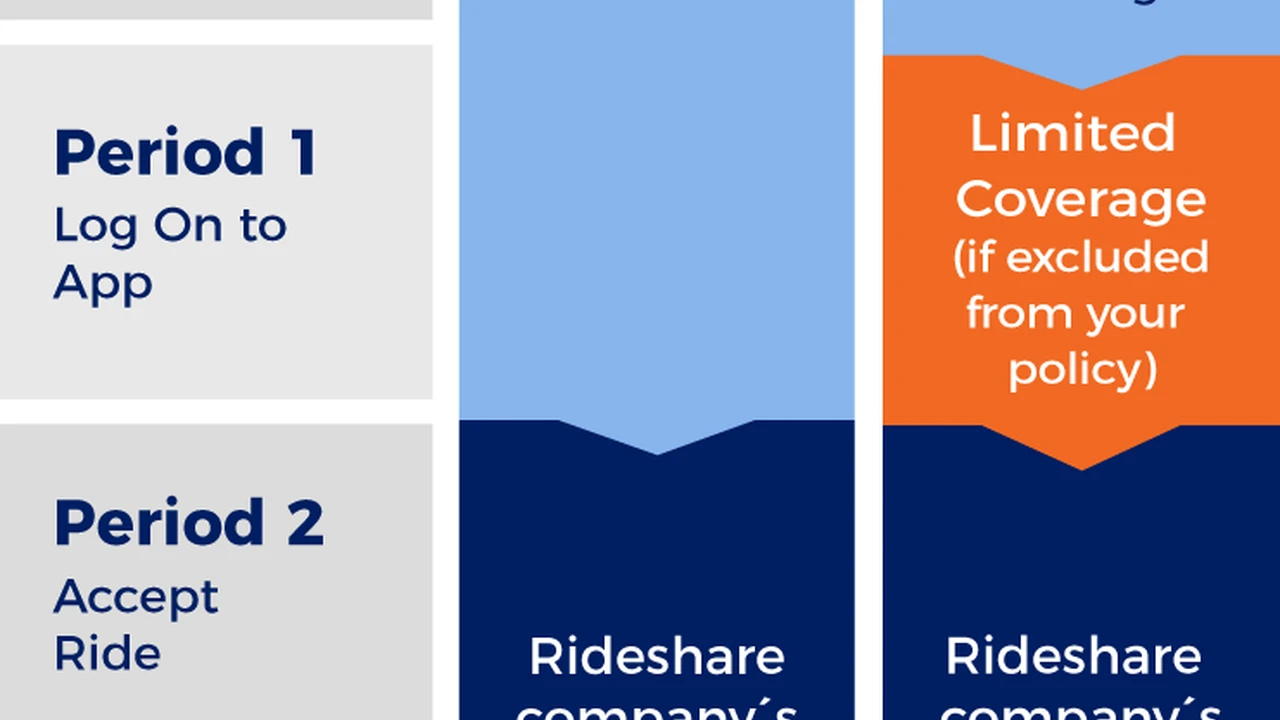
Let's get real for a second. Your personal car insurance policy is designed for personal use – commuting to work, grocery runs, weekend road trips with family. It explicitly excludes commercial activities. When you log into a rideshare app, you're essentially turning your personal vehicle into a commercial one. This creates what's known as an 'insurance gap.' Most personal policies will deny claims if you're involved in an accident while actively ridesharing. This gap typically exists during what's called 'Period 1' – when you're logged into the app and waiting for a ride request. Once you accept a ride (Period 2) and pick up a passenger (Period 3), the rideshare company's insurance usually kicks in. But that initial waiting period? That's where you're most vulnerable.
Rideshare Company Insurance What They Provide and What They Don't
Rideshare companies like Uber and Lyft in the US, and Grab and Gojek in Southeast Asia, do provide some level of insurance coverage for their drivers. However, it's crucial to understand its limitations. Generally, their coverage is structured in phases:
- Period 0 (App Off): Your personal insurance applies.
- Period 1 (App On, Waiting for Request): This is the tricky part. Rideshare companies typically offer limited liability coverage (e.g., $50,000 per person, $100,000 per accident for bodily injury, and $25,000 for property damage in the US). This is often secondary to your personal policy, meaning it only kicks in if your personal insurer denies the claim. Crucially, there's usually NO comprehensive or collision coverage during this period from the rideshare company.
- Period 2 (Accepted Request, En Route to Pick Up): Once you accept a ride, the rideshare company's coverage usually increases significantly. In the US, this often includes $1 million in third-party liability and contingent comprehensive and collision coverage (with a high deductible, often $1,000 or $2,500).
- Period 3 (Passenger in Car, En Route to Destination): Similar to Period 2, with high liability limits and contingent comprehensive and collision.
The key takeaway here is the vulnerability during Period 1. If you get into an accident while waiting for a request, and your personal insurer denies the claim (which they likely will), you could be on the hook for significant repair costs or medical bills if you don't have specific rideshare insurance.
Types of Rideshare Insurance Solutions Bridging the Gap
To properly protect yourself, you'll need to bridge that insurance gap. Here are the main types of solutions available:
Rideshare Endorsement or Rider Adding Coverage to Your Personal Policy
This is often the simplest and most cost-effective solution. Many traditional insurance companies now offer a rideshare endorsement (sometimes called a rider or add-on) that you can add to your existing personal auto policy. This extends your personal coverage to include Period 1 of ridesharing. It essentially tells your insurer, 'Hey, I'm ridesharing, and I want you to cover me during that waiting period.' This is usually the preferred option if your current insurer offers it.
Hybrid Rideshare Insurance Policies Dedicated Coverage
Some insurance companies offer standalone or hybrid policies specifically designed for rideshare drivers. These policies are built from the ground up to cover both personal and rideshare use, eliminating the need for separate endorsements. They often provide seamless coverage across all periods of ridesharing.
Commercial Auto Insurance Full Commercial Coverage
While comprehensive, commercial auto insurance is typically overkill and much more expensive for most part-time rideshare drivers. It's usually reserved for full-time taxi drivers, delivery services, or businesses with fleets of vehicles. However, if you're driving full-time and your state or country has very strict commercial requirements, this might be your only option.
Top Rideshare Insurance Providers and Products in the US Market
The US market has seen significant growth in rideshare insurance options. Here are some of the leading providers and their offerings:
State Farm Rideshare Driver Coverage Endorsement
- Product: Rideshare Driver Coverage Endorsement
- Usage Scenario: Ideal for existing State Farm customers or those looking for a reliable, well-known insurer. It extends your personal policy to cover Period 1.
- Key Features: Covers the gap between your personal policy and the rideshare company's coverage. Often includes comprehensive and collision coverage during Period 1, which is a huge plus.
- Comparison: One of the pioneers in offering rideshare endorsements. Generally competitive pricing.
- Estimated Price Range: Varies widely by state, driving record, and vehicle, but typically adds $10-$30 per month to your premium.
- Availability: Widely available across many US states.
Geico Rideshare Insurance Policy
- Product: Geico Rideshare Insurance
- Usage Scenario: Great for drivers who want a single policy that covers both personal and rideshare use seamlessly.
- Key Features: Acts as a hybrid policy, providing coverage during all phases of ridesharing, including Period 1. It often replaces the need for separate personal and rideshare company coverage during the gap.
- Comparison: Offers a comprehensive solution, often simplifying claims processes.
- Estimated Price Range: Can be slightly more expensive than an endorsement but offers broader protection. Expect an increase of 15-25% on your personal premium, or a standalone policy starting from $100-$200+ per month depending on factors.
- Availability: Available in many states, but check specific state availability.
Allstate Ride for Hire Coverage
- Product: Ride for Hire Coverage
- Usage Scenario: Another strong option for drivers seeking an endorsement from a major insurer.
- Key Features: Extends your personal auto policy to cover the rideshare gap. Provides liability, collision, and comprehensive coverage during Period 1.
- Comparison: Similar to State Farm's offering, providing peace of mind during the waiting period.
- Estimated Price Range: Comparable to State Farm, typically adding $15-$35 per month.
- Availability: Available in numerous US states.
Progressive Rideshare Insurance
- Product: Progressive Rideshare Insurance
- Usage Scenario: Good for drivers who appreciate online quotes and potentially bundling with other Progressive policies.
- Key Features: Offers an endorsement that covers the gap between your personal policy and the rideshare company's coverage.
- Comparison: Known for competitive rates and a strong online presence.
- Estimated Price Range: Varies, but often in the $10-$30 per month range for the endorsement.
- Availability: Widely available.
Farmers Rideshare Insurance
- Product: Farmers Rideshare Insurance
- Usage Scenario: For drivers who prefer working with an agent and want personalized service.
- Key Features: Provides coverage for the rideshare gap, ensuring you're protected during Period 1.
- Comparison: Offers a more personalized approach through local agents.
- Estimated Price Range: Similar to other major insurers, adding $15-$30 per month.
- Availability: Available in many states.
Navigating Rideshare Insurance in Southeast Asian Markets
The rideshare insurance landscape in Southeast Asia is evolving rapidly, with Grab and Gojek dominating the market. Regulations and insurance offerings can vary significantly by country (e.g., Singapore, Malaysia, Indonesia, Thailand, Philippines). It's crucial to check local regulations and speak directly with insurers in your specific country.
General Approach to Rideshare Insurance in Southeast Asia
Unlike the US, where endorsements are common, some Southeast Asian countries might require a more explicit commercial policy or a specific add-on from your personal insurer. Rideshare companies like Grab and Gojek do provide some level of insurance, but similar to Uber/Lyft, there can be gaps, especially during the waiting period.
Grab and Gojek Insurance What's Provided
Both Grab and Gojek typically provide personal accident insurance for drivers and passengers, as well as third-party liability coverage when a trip is active (Periods 2 and 3). However, the specifics vary by country and often have limitations:
- Personal Accident Coverage: For death or permanent disability for drivers and passengers during an active trip.
- Third-Party Liability: Covers damages or injuries to third parties during an active trip.
- Vehicle Damage: This is often the biggest gap. The rideshare company's insurance might not cover damage to your own vehicle, especially during Period 1, or even during active trips if you don't have comprehensive coverage.
Specific Product Recommendations and Considerations in Southeast Asia
Due to the fragmented nature of the market, specific product names are harder to list universally. Instead, focus on these strategies:
1. Consult Your Personal Auto Insurer First
This is your first and most important step. Contact your current personal auto insurance provider and explicitly ask about rideshare coverage. Use terms like 'e-hailing insurance,' 'rideshare add-on,' or 'commercial use endorsement.' Some insurers are starting to offer specific products:
- Malaysia: Companies like Etiqa, Allianz, and Zurich have introduced specific e-hailing add-ons or policies. For example, Etiqa's 'E-Hailing Add-On' can be purchased with their comprehensive private car insurance.
- Singapore: Regulations are quite strict. Drivers often need to inform their insurer and may need a specific 'Private Hire Car' insurance policy. Companies like NTUC Income, AXA, and MSIG offer such policies.
- Indonesia: The market is still developing. Some local insurers might offer specific add-ons, but many drivers rely on the rideshare company's basic coverage and hope for the best, which is risky. Look for insurers like Adira Insurance or ACA Asuransi and inquire about commercial or e-hailing endorsements.
- Thailand: Similar to Indonesia, the market is evolving. Drivers should check with major insurers like AXA Thailand or Viriyah Insurance for any specific e-hailing products.
2. Look for Dedicated Commercial or E-Hailing Policies
If your personal insurer doesn't offer an add-on, you might need a separate, dedicated policy. These are essentially commercial policies tailored for rideshare drivers. They will be more expensive but offer comprehensive protection.
3. Understand Deductibles and Coverage Limits
Always pay attention to the deductible (the amount you pay out of pocket before insurance kicks in) and the coverage limits. Rideshare company insurance often has high deductibles, so your personal rideshare policy should ideally cover that gap or have a lower deductible.
4. Pricing in Southeast Asia
Pricing is highly variable. An e-hailing add-on in Malaysia might add 10-20% to your comprehensive personal policy. A dedicated private hire car policy in Singapore could be significantly more expensive than a standard personal policy, potentially starting from SGD 1,500 - SGD 3,000+ annually, depending on the driver's profile and vehicle. Always get multiple quotes.
Key Factors Influencing Rideshare Insurance Costs and Coverage
Several factors will impact how much you pay for rideshare insurance and what kind of coverage you can get:
Your Driving Record Clean History Equals Lower Premiums
Just like personal auto insurance, a clean driving record with no accidents or violations will result in lower premiums. Insurers see you as a lower risk.
Vehicle Type and Value Newer Cars Cost More to Insure
The make, model, year, and value of your vehicle play a significant role. More expensive cars, luxury vehicles, or those with higher repair costs will naturally have higher insurance premiums.
Location Urban vs Rural Rates Vary
Where you live and primarily drive matters. Urban areas with higher traffic density and crime rates typically have higher insurance costs than rural areas.
Amount of Rideshare Driving Full Time vs Part Time
Some insurers might ask about your estimated rideshare hours. Full-time drivers might face higher premiums or be directed towards more comprehensive commercial policies.
Coverage Limits and Deductibles Your Choices Matter
Opting for higher liability limits or lower deductibles will increase your premium, but it also provides greater financial protection in case of a major accident.
Credit Score US Market Factor
In the US, your credit score can influence your insurance rates, as insurers often use it as a predictor of risk. This is less common in Southeast Asia.
Comparing Rideshare Insurance Options Making the Right Choice
When comparing different rideshare insurance options, consider these points:
Coverage During Period 1 The Critical Gap
Ensure the policy explicitly covers you during Period 1 (app on, waiting for a request). This is the most common gap. Does it include comprehensive and collision during this period, or just liability?
Deductibles How Much Will You Pay Out of Pocket
Compare deductibles. If the rideshare company's deductible is $2,500 for comprehensive/collision, does your personal rideshare policy cover that amount, or do you have to pay it?
Claims Process How Easy Is It
Ask about the claims process. Will you deal with your personal insurer, or the rideshare company's insurer, or both? A seamless process is always better.
Cost vs Coverage Balancing Your Budget and Protection
Don't just go for the cheapest option. Balance the cost with the level of protection you receive. An extra $20 a month could save you thousands in an accident.
Exclusions and Limitations Read the Fine Print
Always read the policy documents carefully. Look for any exclusions or limitations that might leave you exposed.
Practical Tips for Rideshare Drivers Securing Your Financial Future
Beyond choosing the right policy, here are some practical tips to ensure you're always protected:
Inform Your Personal Insurer Be Transparent
Even if you plan to get a separate rideshare policy, inform your personal auto insurer that you're driving for a rideshare company. Failing to do so could lead to your personal policy being canceled or claims denied.
Keep Proof of Coverage Handy Digital and Physical
Always have proof of your rideshare insurance (endorsement or separate policy) readily available, both digitally on your phone and a physical copy in your glove compartment.
Understand Local Regulations Stay Compliant
Regulations for ridesharing and insurance vary by state in the US and by country in Southeast Asia. Stay informed about the specific requirements in your operating area.
Review Your Policy Annually As Your Needs Change
Your driving habits, vehicle, and even the insurance market can change. Review your policy annually to ensure it still meets your needs and offers competitive rates.
Consider Additional Coverage Options Beyond the Basics
Think about adding roadside assistance, rental car reimbursement, or personal injury protection (PIP) if not already included. These can be invaluable when you rely on your car for income.
Document Everything After an Accident Crucial Evidence
If you're involved in an accident, document everything: photos of the scene, contact information of all parties and witnesses, police report numbers, and details of the incident. This will be crucial for any insurance claim.
The Future of Rideshare Insurance Evolving Landscape
The rideshare insurance market is still relatively young and continues to evolve. We can expect to see more tailored products, potentially integrated directly with rideshare apps, and more standardized regulations as the industry matures. Telematics (devices that monitor driving behavior) might also play a larger role in determining premiums, rewarding safer drivers with lower rates.
For now, the best approach is to be proactive. Don't assume you're fully covered. Do your research, ask the right questions, and invest in the right insurance to protect yourself, your vehicle, and your livelihood. Happy driving!
:max_bytes(150000):strip_icc()/277019-baked-pork-chops-with-cream-of-mushroom-soup-DDMFS-beauty-4x3-BG-7505-5762b731cf30447d9cbbbbbf387beafa.jpg)