Explore effective strategies for building and maintaining strong automotive brand loyalty.
Explore effective strategies for building and maintaining strong automotive brand loyalty.
Best Strategies for Automotive Brand Loyalty
Understanding Automotive Brand Loyalty in the Modern Market
Brand loyalty in the automotive industry is more crucial than ever. In a landscape flooded with choices, from traditional gasoline cars to electric vehicles, and from luxury sedans to rugged SUVs, retaining customers is a significant challenge. Automotive brand loyalty isn't just about a customer buying the same brand twice; it's about their emotional connection, their willingness to recommend, and their resistance to competitor offerings. For both the US and Southeast Asian markets, where consumer preferences are diverse and competition is fierce, understanding and fostering this loyalty is paramount. This article delves deep into effective strategies, offering actionable insights and comparing various approaches to help automotive brands not just survive, but thrive.
The Shifting Landscape of Consumer Expectations and Loyalty Drivers
What drives loyalty today is vastly different from a decade ago. Price and reliability remain foundational, but modern consumers, especially in tech-savvy markets like the US and rapidly developing Southeast Asia, prioritize experiences, values, and seamless integration into their digital lives. They expect personalized communication, transparent service, and a brand that aligns with their lifestyle and environmental consciousness. For instance, a buyer in California might prioritize a brand's sustainability efforts, while a buyer in Bangkok might value connectivity features and after-sales service accessibility. Brands must adapt their loyalty strategies to these evolving expectations.
Strategy 1: Exceptional Customer Service and After-Sales Support
Exceptional customer service is the bedrock of loyalty. It extends beyond the initial purchase to every touchpoint: maintenance, repairs, inquiries, and even trade-ins. A seamless and positive service experience can turn a one-time buyer into a lifelong advocate. This includes responsive communication, efficient service appointments, and transparent pricing.
Personalized Service Experiences and Digital Integration
In the US, brands like Lexus and Porsche consistently rank high in customer satisfaction, largely due to their personalized service. This often involves dedicated service advisors, comfortable waiting areas, and proactive communication about vehicle status. For Southeast Asia, where digital adoption is high, integrating service appointments and updates through mobile apps is crucial. For example, Toyota's 'MyToyota' app in Thailand allows users to book services, track maintenance history, and receive personalized offers, significantly enhancing convenience and loyalty.
Transparent Pricing and Value-Added Services
Surprise costs are a major detractor from loyalty. Brands that offer transparent service pricing, perhaps through fixed-price service packages, build trust. Value-added services, such as complimentary car washes, loaner vehicles, or roadside assistance, can also significantly boost customer satisfaction. Consider brands like Subaru in the US, known for its strong community and reliable service network, which often includes perks like free tire rotations or multi-point inspections with every service.
Strategy 2: Innovative Product Offerings and Continuous Improvement
Customers are loyal to brands that consistently deliver high-quality, innovative vehicles that meet their evolving needs. This means not resting on past successes but continuously investing in R&D and bringing new, compelling models to market.
Electric Vehicle Adoption and Sustainable Practices
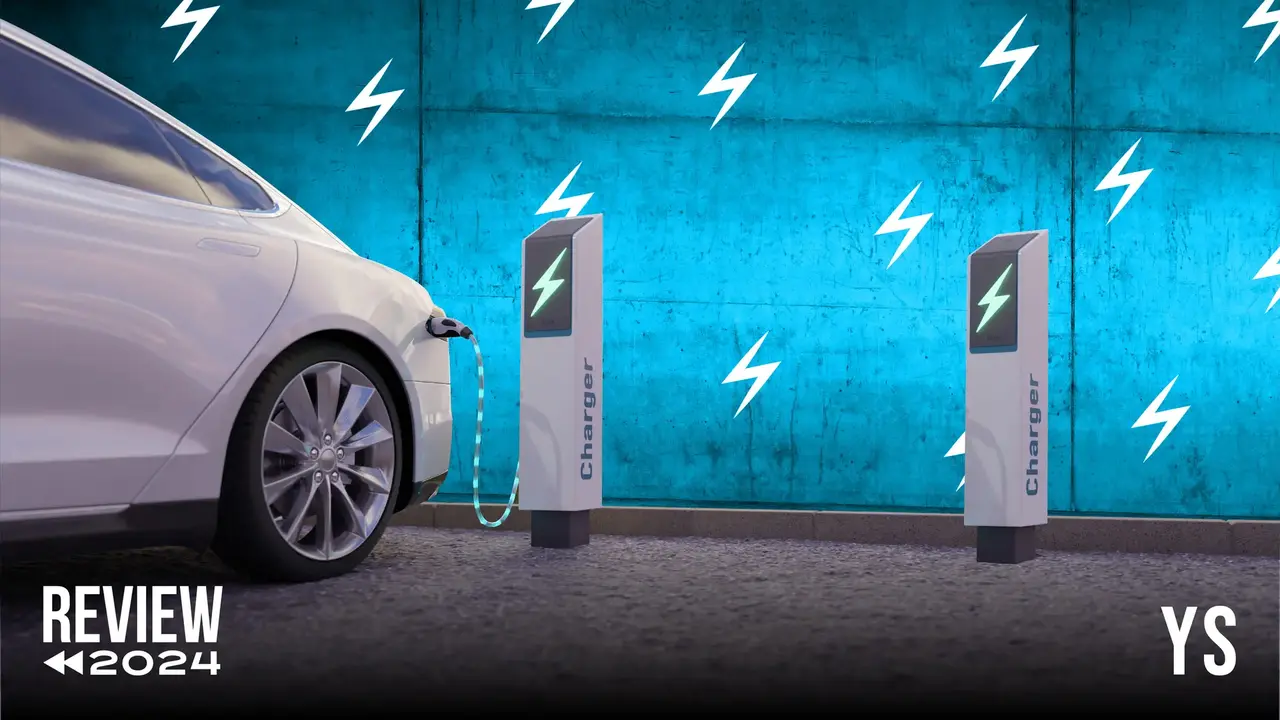
With the global shift towards electrification, brands that offer a compelling range of EVs are attracting a new generation of loyal customers. Tesla, for instance, has built a fiercely loyal customer base not just through its vehicles' performance but also through its commitment to sustainable energy. In Southeast Asia, brands like VinFast (Vietnam) are rapidly gaining traction by focusing on electric vehicles tailored to local market needs. Brands that demonstrate a genuine commitment to sustainability, from manufacturing processes to end-of-life vehicle recycling, resonate deeply with environmentally conscious buyers.
Advanced Technology and Connectivity Features
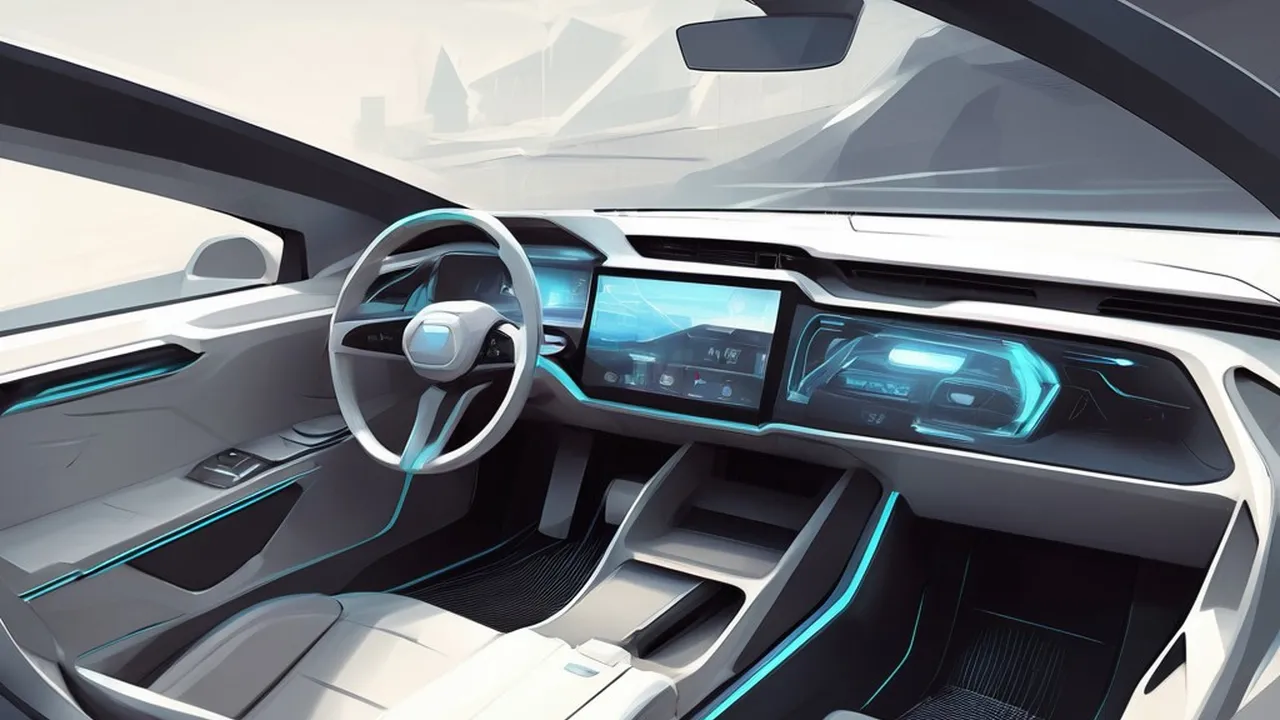
Modern drivers expect their cars to be extensions of their digital lives. Advanced infotainment systems, seamless smartphone integration (Apple CarPlay, Android Auto), over-the-air updates, and sophisticated driver-assistance systems (ADAS) are no longer luxuries but expectations. Brands like Mercedes-Benz and BMW excel in offering cutting-edge technology that enhances both safety and convenience, fostering loyalty among tech-savvy consumers. In markets like Singapore and Malaysia, where traffic congestion is a concern, advanced navigation and real-time traffic updates are highly valued features.
Strategy 3: Building a Strong Brand Community and Emotional Connection
Beyond the product itself, an emotional connection to a brand is a powerful loyalty driver. This is often fostered through community building, shared experiences, and aligning with customer values.
Exclusive Events and Owner Groups
Organizing exclusive events, such as track days, scenic drives, or factory tours, can create memorable experiences for owners. Brands like Porsche and Ferrari have mastered this, creating a sense of belonging among their owners. Even mainstream brands can foster community through local owner clubs or online forums. For example, Ford's Bronco owner community in the US is incredibly active, sharing off-roading tips and modifications, which strengthens brand affinity.
Brand Storytelling and Value Alignment
Consumers are increasingly drawn to brands with compelling stories and clear values. Whether it's a brand's heritage, its commitment to safety, or its vision for the future of mobility, effective storytelling can forge a deeper connection. Volvo, for instance, has built its brand around safety, a value that resonates globally. Brands that actively engage in corporate social responsibility (CSR) initiatives, such as environmental conservation or community development, can also attract and retain loyal customers who share those values.
Strategy 4: Effective Loyalty Programs and Incentives
While emotional connection is vital, tangible rewards and incentives also play a significant role in encouraging repeat purchases and referrals.
Tiered Loyalty Programs and Exclusive Benefits
Implementing tiered loyalty programs that offer increasing benefits based on customer engagement (e.g., number of purchases, service history) can be highly effective. These benefits could include discounts on future purchases, priority service appointments, exclusive access to new models, or special financing rates. For example, a program might offer 'Silver,' 'Gold,' and 'Platinum' tiers, each with progressively better perks.
Referral Programs and Trade-In Incentives
Word-of-mouth marketing is incredibly powerful. Referral programs that reward both the referrer and the new customer can be a cost-effective way to acquire new buyers while reinforcing loyalty among existing ones. Attractive trade-in incentives, especially for loyal customers looking to upgrade to a newer model from the same brand, can also significantly reduce churn. Brands like Honda and Toyota often offer competitive trade-in values and loyalty bonuses in both the US and Southeast Asian markets.
Strategy 5: Leveraging Data and Personalization for Targeted Engagement
In the digital age, data is a goldmine for understanding customer behavior and preferences. Leveraging this data allows brands to personalize communications and offerings, making customers feel valued and understood.
CRM Systems and Customer Journey Mapping
Robust Customer Relationship Management (CRM) systems are essential for tracking customer interactions, purchase history, service records, and preferences. By mapping the customer journey, brands can identify key touchpoints where personalized engagement can make a difference. This could involve sending targeted offers for service based on mileage, or personalized recommendations for new models based on past purchases and expressed interests.
Personalized Marketing and Communication
Generic marketing messages are easily ignored. Brands that use data to deliver personalized communications – whether it's an email about a new accessory for their specific model, an invitation to a local brand event, or a special financing offer – are more likely to capture attention and build loyalty. For example, a brand might send a personalized email to an SUV owner about a new roof rack accessory, or to an EV owner about new charging station locations in their area.
Comparing Loyalty Strategies: US vs Southeast Asia
While many loyalty strategies are universally applicable, their implementation and emphasis can vary significantly between the US and Southeast Asian markets.
US Market Focus: Experience, Technology, and Brand Values
In the US, consumers often prioritize the overall ownership experience, cutting-edge technology, and a brand's alignment with their personal values (e.g., sustainability, American-made). Brands that offer seamless digital integration, robust ADAS features, and strong community engagement tend to perform well. The aftermarket for customization is also significant, and brands that support this can foster loyalty.
Southeast Asia Market Focus: Value, Reliability, and After-Sales Support
In Southeast Asia, while technology is increasingly important, value for money, reliability, and comprehensive after-sales support often take precedence. The cost of ownership, including maintenance and spare parts, is a major consideration. Brands like Toyota and Honda have built immense loyalty in this region due to their reputation for reliability, extensive service networks, and affordable parts. Digital convenience, such as mobile apps for service booking and payment, is also highly valued due to high smartphone penetration.
Product Recommendations and Use Cases for Loyalty Enhancement
To illustrate how specific products and services can enhance loyalty, let's consider a few examples:
1. Connected Car Services (e.g., GM's OnStar, BMW ConnectedDrive)
* **Use Case:** Enhancing safety, convenience, and vehicle diagnostics.
* **Description:** These subscription-based services offer features like automatic crash response, stolen vehicle assistance, remote vehicle control (lock/unlock, start), and diagnostic alerts. They create a continuous connection between the owner and the brand.
* **Comparison:** OnStar (US) is known for its robust safety features and human-assisted services. BMW ConnectedDrive (Global) focuses more on digital integration, navigation, and remote services. Both aim to make ownership more seamless and secure.
* **Pricing:** Typically subscription-based, ranging from $15-$50 per month depending on the service tier. Often offered free for an initial period with new vehicle purchases.
2. Branded Mobile Applications (e.g., MyToyota, MyHyundai)
* **Use Case:** Streamlining service, providing personalized information, and fostering engagement.
* **Description:** These apps allow owners to schedule service appointments, view service history, access owner's manuals, find dealerships, receive recall notifications, and sometimes even control certain vehicle functions remotely. They serve as a central hub for all ownership needs.
* **Comparison:** MyToyota (Southeast Asia focus) is highly integrated with local dealer networks and service offerings, emphasizing convenience for maintenance. MyHyundai (US focus) often includes more advanced remote features and integration with smart home devices. The key is local relevance and ease of use.
* **Pricing:** Generally free to download and use, though some advanced remote features might require a connected car subscription.
3. Extended Warranty and Service Plans (e.g., Ford Protect, Honda Care)
* **Use Case:** Providing peace of mind and ensuring continued service within the brand's network.
* **Description:** These plans extend coverage beyond the factory warranty, protecting owners from unexpected repair costs. They often include roadside assistance and can be transferred to subsequent owners, enhancing resale value. By keeping customers within the authorized service network, brands maintain control over service quality and parts.
* **Comparison:** Ford Protect (US) offers various levels of coverage, from powertrain to premium care, allowing customization. Honda Care (Global) is known for its comprehensive coverage and ease of use across its extensive dealer network. The best plans offer clear terms and competitive pricing.
* **Pricing:** Varies significantly based on vehicle model, mileage, duration of coverage, and level of protection. Can range from $1,000 to $4,000+ for several years of extended coverage.
4. Branded Accessories and Merchandise (e.g., Jeep Gear, Mercedes-Benz Collection)
* **Use Case:** Allowing owners to express their brand affinity and extend the brand experience beyond the vehicle.
* **Description:** From apparel and lifestyle items to genuine vehicle accessories (e.g., roof racks, floor mats, performance parts), these products allow owners to personalize their vehicles and showcase their loyalty. They reinforce the brand's lifestyle image.
* **Comparison:** Jeep Gear (US) focuses heavily on rugged, outdoor-oriented accessories and apparel, aligning with the brand's adventurous image. Mercedes-Benz Collection (Global) offers luxury lifestyle items, reflecting its premium positioning. The key is authenticity to the brand's identity.
* **Pricing:** Highly variable, from $20 for a branded t-shirt to several hundred or even thousands for specialized vehicle accessories.
5. Customer Feedback Platforms and Surveys (e.g., JD Power Surveys, Internal Brand Surveys)
* **Use Case:** Continuously gathering insights to improve products, services, and the overall customer experience.
* **Description:** While not a product sold to customers, these platforms are crucial tools for brands to understand what drives and detracts from loyalty. By actively soliciting and acting on feedback, brands demonstrate that they value their customers' opinions, which in itself builds loyalty.
* **Comparison:** JD Power surveys (US and increasingly global) provide independent benchmarks, allowing brands to compare themselves against competitors. Internal brand surveys offer more granular, specific feedback directly related to a brand's unique offerings. The most effective approach combines both.
* **Pricing:** Brands invest significantly in these platforms and processes, but for the customer, participation is typically free and often incentivized.
The Future of Automotive Loyalty: A Holistic Approach
Building and maintaining strong automotive brand loyalty in today's dynamic market requires a holistic and adaptive approach. It's no longer enough to simply build a good car; brands must cultivate a comprehensive ecosystem that encompasses exceptional products, seamless service, emotional connection, and personalized engagement. By understanding the unique nuances of markets like the US and Southeast Asia, and by continuously innovating and listening to their customers, automotive brands can forge lasting relationships that transcend a single purchase, ensuring a loyal customer base for years to come.

:max_bytes(150000):strip_icc()/277019-baked-pork-chops-with-cream-of-mushroom-soup-DDMFS-beauty-4x3-BG-7505-5762b731cf30447d9cbbbbbf387beafa.jpg)