Comparing Comprehensive vs Collision Coverage
Understand the differences between comprehensive and collision car insurance coverage options.
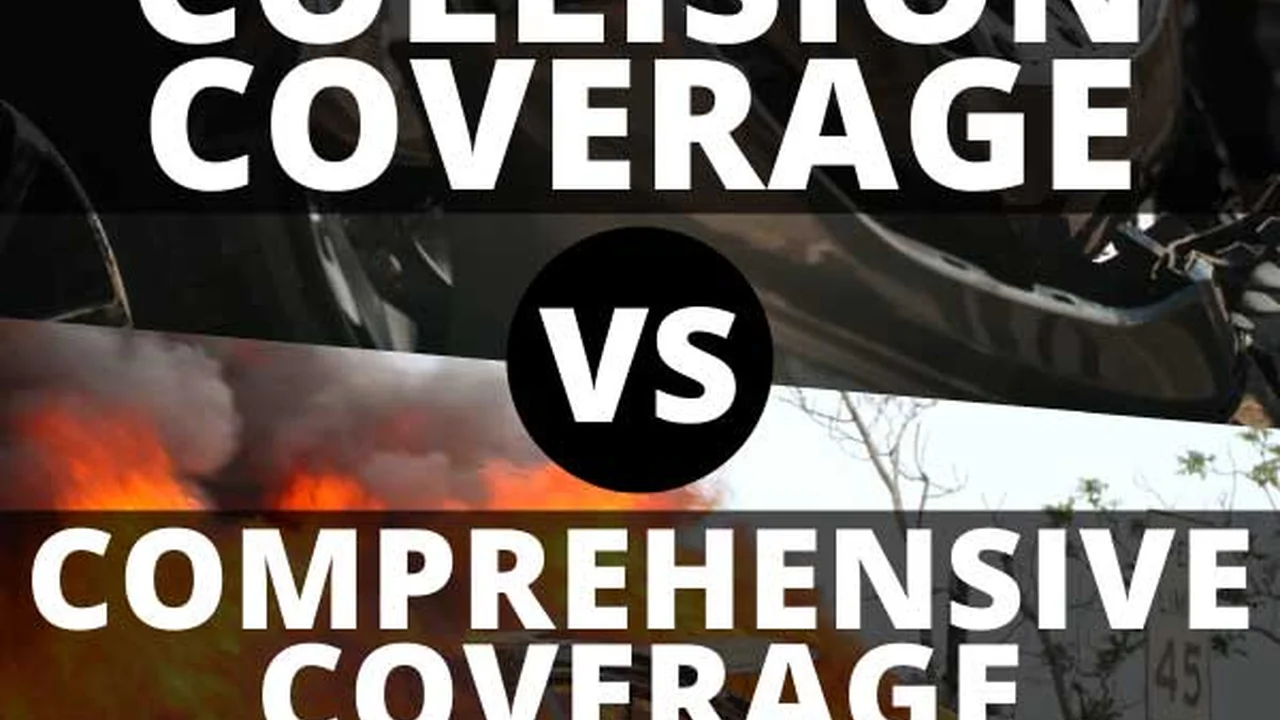
Understand the differences between comprehensive and collision car insurance coverage options.
Comparing Comprehensive vs Collision Coverage Your Essential Guide to Car Insurance
Navigating the world of car insurance can feel like deciphering a complex code. Two terms you'll constantly encounter are 'comprehensive' and 'collision' coverage. While often bundled together, they protect you in very distinct scenarios. Understanding these differences is crucial for making informed decisions about your policy, ensuring you're adequately protected without overpaying. This guide will break down comprehensive and collision coverage, explore their nuances, discuss when each is most valuable, and help you decide which is right for your specific needs, whether you're driving in the bustling streets of New York or the scenic routes of Thailand.
What is Collision Coverage Protecting Your Vehicle from Accidents
Collision coverage is exactly what it sounds like: it covers damages to your own vehicle resulting from a collision. This collision could be with another vehicle, an object like a tree or a guardrail, or even if you flip your car. It's important to note that collision coverage pays for repairs to your car regardless of who is at fault for the accident. If you're deemed at fault, your collision coverage steps in. If another driver is at fault, their property damage liability coverage would typically pay for your repairs, but your collision coverage can still be used to expedite repairs, with your insurer then seeking reimbursement from the at-fault driver's insurer (a process called subrogation).
Key Aspects of Collision Coverage Understanding Deductibles and Payouts
When you purchase collision coverage, you'll choose a deductible. This is the amount you agree to pay out-of-pocket before your insurance company starts paying for repairs. Common deductibles range from $250 to $1,000 or even higher. A higher deductible typically means a lower premium, and vice-versa. For example, if you have a $500 deductible and your car sustains $3,000 in collision damage, you would pay the first $500, and your insurer would cover the remaining $2,500. The payout from collision coverage is usually limited to the actual cash value (ACV) of your vehicle at the time of the loss, minus your deductible. This means if your car is totaled, you won't get enough to buy a brand-new car, but rather what your car was worth just before the accident.
When is Collision Coverage Essential New Cars and Financed Vehicles
Collision coverage is almost always a wise investment, especially if you have a newer car, a valuable car, or if your car is financed or leased. Lenders and leasing companies typically require collision coverage to protect their investment. Without it, if your car is damaged in an accident, you'd be solely responsible for the repair costs, which can be substantial. For older, less valuable cars, some owners might opt to drop collision coverage to save on premiums, calculating that the cost of the coverage outweighs the potential payout. However, this is a risk, as even minor accidents can lead to costly repairs.
What is Comprehensive Coverage Protecting Your Vehicle from Non Collision Events
Comprehensive coverage, sometimes referred to as 'other than collision' coverage, protects your vehicle from damages not caused by a collision with another vehicle or object. Think of it as protection against the unexpected and uncontrollable. This includes events like theft, vandalism, fire, natural disasters (hail, floods, hurricanes), falling objects (tree branches), and even damage from animals (like hitting a deer). Just like collision coverage, comprehensive coverage also comes with a deductible, which works in the same way.
Key Aspects of Comprehensive Coverage Understanding Its Broad Protection
The scope of comprehensive coverage is quite broad, offering peace of mind against a wide array of perils. For instance, if your car is stolen, comprehensive coverage would help reimburse you for its actual cash value. If a tree branch falls on your car during a storm, comprehensive coverage would pay for the repairs. If your car is vandalized, comprehensive coverage would cover the cost of fixing the damage. Similar to collision, the payout is typically limited to the actual cash value of your vehicle at the time of the loss, minus your deductible. This coverage is particularly valuable in regions prone to specific natural disasters, such as hurricanes in Florida or heavy snowfall in the Northeast US, or areas with higher rates of vehicle theft in Southeast Asia.
When is Comprehensive Coverage Essential All Vehicles and High Risk Areas
Comprehensive coverage is highly recommended for almost all vehicle owners, regardless of the car's age or value. While it's often required by lenders for financed or leased vehicles, even owners of older, paid-off cars can benefit significantly. The cost of replacing a stolen car or repairing extensive damage from a natural disaster can be financially devastating without this coverage. If you live in an area with a high incidence of car theft, vandalism, or severe weather, comprehensive coverage becomes even more critical. For example, in urban centers like Bangkok or Jakarta, where vehicle theft can be a concern, comprehensive coverage offers crucial protection. Similarly, in coastal areas of the US susceptible to hurricanes, it's indispensable.
Comparing Comprehensive and Collision Coverage Key Differences and Overlaps
The fundamental difference between comprehensive and collision coverage lies in the types of perils they cover. Collision covers accidents involving your car hitting something or being hit by something (another car, an object, or rolling over). Comprehensive covers almost everything else that isn't a collision, such as theft, vandalism, fire, natural disasters, and animal impacts. They both protect your own vehicle, and both typically come with a deductible. Neither covers damage to other people's property or injuries to others; that's where liability insurance comes in.
Scenario Analysis When Each Coverage Applies
- You hit another car in a parking lot: Collision coverage.
- Another driver hits your car and is at fault: Their property damage liability, or your collision coverage (with subrogation).
- You swerve to avoid an animal and hit a tree: Collision coverage.
- A tree branch falls on your parked car during a storm: Comprehensive coverage.
- Your car is stolen from your driveway: Comprehensive coverage.
- Your car is vandalized overnight: Comprehensive coverage.
- Your car catches fire: Comprehensive coverage.
- You hit a deer on the highway: Comprehensive coverage.
- Your car is damaged in a flood: Comprehensive coverage.
Cost Implications and Premium Factors for Both Coverages
The cost of both comprehensive and collision coverage is influenced by several factors. These include the make, model, and year of your vehicle (more expensive cars generally cost more to insure), your driving record, your location (urban areas often have higher rates due to increased risk of theft and accidents), your chosen deductible, and even your credit score in some US states. Generally, collision coverage tends to be more expensive than comprehensive coverage because the likelihood of being involved in a collision is statistically higher than experiencing a comprehensive-related event like theft or fire. However, this can vary significantly based on individual circumstances and location.
Making the Right Choice Tailoring Coverage to Your Needs and Budget
Deciding on the right balance of comprehensive and collision coverage involves weighing your financial situation, your vehicle's value, and your risk tolerance. For most drivers, especially those with newer or financed vehicles, having both coverages is non-negotiable. They provide a robust safety net against a wide range of potential damages to your car.
When to Consider Full Coverage Combining Comprehensive and Collision
The term 'full coverage' isn't an official insurance term, but it generally refers to a policy that includes liability, comprehensive, and collision coverage. This combination offers the most extensive protection for your vehicle and against damages you might cause to others. If your car is less than 10 years old, has a high market value, or if you rely heavily on your car for daily commuting or work, full coverage is almost always the recommended option. It protects your investment and prevents potentially crippling out-of-pocket expenses after an incident.
When You Might Consider Dropping One or Both Evaluating Risk vs Reward
For older cars that are fully paid off and have a low actual cash value, some owners choose to drop collision and/or comprehensive coverage. The logic here is that the annual premiums and deductible might approach or even exceed the car's total value. For example, if your car is only worth $2,000 and your annual premium for collision and comprehensive is $800 with a $500 deductible, you might decide it's more cost-effective to self-insure for these types of damages. However, this decision comes with significant risk. If your car is totaled, you would receive no payout and would have to bear the full cost of replacement yourself. This strategy is only advisable if you have sufficient savings to replace your vehicle without financial strain.
Specific Product Recommendations and Scenarios for US Drivers
In the US market, many reputable insurance providers offer excellent comprehensive and collision coverage. The best choice often depends on your specific needs, location, driving record, and vehicle type. Here are some top providers and scenarios:
Top US Insurance Providers for Comprehensive and Collision Coverage
- GEICO: Known for competitive rates and a strong online presence. GEICO often ranks well for customer satisfaction and offers various discounts that can make comprehensive and collision more affordable. Their mobile app is highly rated for claims processing.
- Progressive: Offers unique tools like the 'Name Your Price' tool and Snapshot program, which can help personalize rates. Progressive is a good option for drivers looking for flexible policies and potential discounts based on driving behavior.
- State Farm: The largest auto insurer in the US, known for its extensive network of local agents. State Farm provides personalized service, which can be beneficial for understanding complex coverage options like comprehensive and collision. They also offer various bundling discounts.
- Allstate: Offers robust coverage options and features like 'Drivewise' for safe driving discounts. Allstate is a strong contender for those seeking comprehensive protection and personalized agent support.
- Amica Mutual: Consistently ranks high for customer satisfaction and offers a unique dividend policy that can return a portion of your premium. Amica is ideal for drivers who prioritize excellent service and potential savings.
Scenario 1 New Car Owner in a High Theft Area
Driver Profile: Sarah, living in Los Angeles, just bought a new Honda CR-V. She parks on the street frequently and is concerned about theft and vandalism.
Recommended Coverage: Full coverage with a low comprehensive deductible ($250-$500) and a moderate collision deductible ($500-$1,000). This ensures her new investment is protected against both accidents and non-collision events like theft or vandalism, which are more common in urban areas. A lower comprehensive deductible means less out-of-pocket if her car is stolen or damaged by vandals.
Potential Providers: GEICO or Progressive for competitive rates and strong digital tools for claims. State Farm for personalized advice on local risks.
Scenario 2 Driver with a Financed Vehicle and Long Commute
Driver Profile: Mark, in Dallas, finances his 3-year-old Ford F-150 and commutes 50 miles daily. He wants to ensure his loan is covered and his vehicle is protected from road hazards.
Recommended Coverage: Full coverage with a moderate collision deductible ($500-$1,000) and a moderate comprehensive deductible ($500-$1,000). Given his long commute, the risk of collision is higher, making collision coverage paramount. Comprehensive protects against unexpected events like hail damage, common in Texas, or hitting an animal. Gap insurance might also be a good addition if his loan balance is higher than the car's actual cash value.
Potential Providers: Allstate or State Farm for robust coverage and agent support. Progressive for potential discounts based on driving habits.
Specific Product Recommendations and Scenarios for Southeast Asian Drivers
The insurance landscape in Southeast Asia varies significantly by country, but comprehensive and collision coverage (often bundled as 'first-party' or 'own damage' coverage) are widely available. Local regulations and market conditions play a big role.
Top Southeast Asian Insurance Providers for Comprehensive and Collision Coverage (General)
- AXA: A global insurer with a strong presence across Southeast Asia (e.g., Thailand, Singapore, Malaysia, Indonesia). AXA offers a range of motor insurance products, often including comprehensive and collision options tailored to local markets. They are known for their financial stability and broad network.
- MSIG: Another major international player with significant operations in the region. MSIG provides comprehensive motor insurance that covers own damage (collision and comprehensive perils) and third-party liability. They often have good customer service and efficient claims processing.
- Local Banks/Insurance Arms: Many large local banks (e.g., DBS in Singapore, Maybank in Malaysia, Bank Central Asia in Indonesia) have their own insurance arms or partnerships, offering competitive motor insurance products. These often come with local benefits and easy integration with banking services.
- Online Insurers/Aggregators: Platforms like CompareAsiaGroup (now part of Funding Societies) or local equivalents in each country allow for easy comparison of various providers, often including comprehensive and collision options. Examples include PolicyStreet in Malaysia, GoBear (though its operations have shifted) and local comparison sites in other countries.
Scenario 1 Urban Driver in a Flood Prone City
Driver Profile: Anya, living in Bangkok, Thailand, drives a 5-year-old Toyota Vios. She frequently encounters heavy rain and occasional flooding during monsoon season.
Recommended Coverage: Comprehensive coverage with specific flood damage inclusion (ensure this is explicitly covered, as some basic comprehensive policies might have exclusions or higher deductibles for natural disasters). A moderate collision deductible ($300-$500 USD equivalent) is also advisable. Given the traffic, minor collisions are common, but flood protection is paramount.
Potential Providers: AXA Thailand or MSIG Thailand, as they often have specific add-ons or robust comprehensive policies designed for local conditions, including flood coverage. Local Thai insurers like Viriyah Insurance also offer strong options.
Scenario 2 New Motorcycle Owner in a High Traffic Area
Driver Profile: Budi, in Jakarta, Indonesia, just bought a new Yamaha NMAX scooter for daily commuting. Motorcycle theft is a concern, and he wants protection against accidents.
Recommended Coverage: Comprehensive coverage (often called 'All Risk' in Indonesia) with a focus on theft protection and a low collision deductible ($100-$200 USD equivalent). Given the high traffic density, minor scrapes and collisions are frequent, making collision coverage very important. Theft is also a significant risk for motorcycles in urban areas.
Potential Providers: Local Indonesian insurers like Adira Insurance or ACA Asuransi, which specialize in motor vehicle insurance and understand local risks. International players like AXA Indonesia also offer relevant products.
Understanding Deductibles and Premiums Balancing Cost and Protection
The deductible is the amount you pay out of pocket before your insurance kicks in. A higher deductible means lower premiums, and vice versa. When choosing your deductible for both comprehensive and collision, consider your financial comfort level. Can you easily afford a $1,000 deductible if an accident occurs? If not, a lower deductible might be worth the slightly higher premium. For example, if you choose a $500 deductible instead of a $1,000 deductible, your premium might increase by $50-$100 per year, but you save $500 out-of-pocket in case of a claim. This is a personal financial decision.
The Role of Actual Cash Value ACV vs Replacement Cost
Most standard comprehensive and collision policies pay out based on the Actual Cash Value (ACV) of your vehicle at the time of the loss. This means depreciation is factored in. If your car is totaled, you'll receive what the car was worth just before the incident, not what you paid for it or what it would cost to buy a brand-new replacement. Some insurers offer 'replacement cost' coverage, often as an add-on, especially for new vehicles. This pays for a brand-new car of the same make and model if yours is totaled within a certain timeframe (e.g., the first 1-2 years of ownership). This can be a valuable addition for new car owners concerned about depreciation.
Additional Considerations and Tips for Car Insurance
Beyond comprehensive and collision, there are other aspects of car insurance to consider that complement these coverages.
Gap Insurance Protecting Against Negative Equity
If you finance or lease a new car, especially with a small down payment, you might owe more on the car than its actual cash value. If your car is totaled, your comprehensive or collision payout might not cover the remaining loan balance, leaving you with 'negative equity.' Gap insurance covers this difference, paying the 'gap' between your car's ACV and your loan balance. This is highly recommended for new car owners with loans or leases.
Rental Car Reimbursement and Roadside Assistance
These are often optional add-ons to your policy. Rental car reimbursement covers the cost of a rental car while your vehicle is being repaired after a covered claim. Roadside assistance provides services like towing, jump-starts, and flat tire changes. While not directly related to comprehensive or collision damage, they enhance the overall utility of your policy and can be very convenient.
Regularly Reviewing Your Policy Adapting to Life Changes
Your insurance needs can change over time. It's a good practice to review your policy annually or whenever significant life events occur. Did you pay off your car loan? You might consider dropping collision and comprehensive if the car's value is low. Did you move to a new area with higher theft rates? You might want to increase your comprehensive coverage. Did you buy a new, more expensive car? You'll definitely need robust comprehensive and collision. Don't just set it and forget it; actively manage your policy to ensure it always meets your current needs and budget.
Understanding the distinct roles of comprehensive and collision coverage empowers you to build an insurance policy that truly protects your vehicle and your finances. While they both safeguard your car, they do so against different types of risks. By carefully considering your vehicle's value, your financial situation, and the specific risks of your driving environment, you can make informed decisions that provide peace of mind on the road.
:max_bytes(150000):strip_icc()/277019-baked-pork-chops-with-cream-of-mushroom-soup-DDMFS-beauty-4x3-BG-7505-5762b731cf30447d9cbbbbbf387beafa.jpg)