3 Best Practices for Extending Tire Lifespan
Discover three effective practices to significantly extend the lifespan of your car tires.
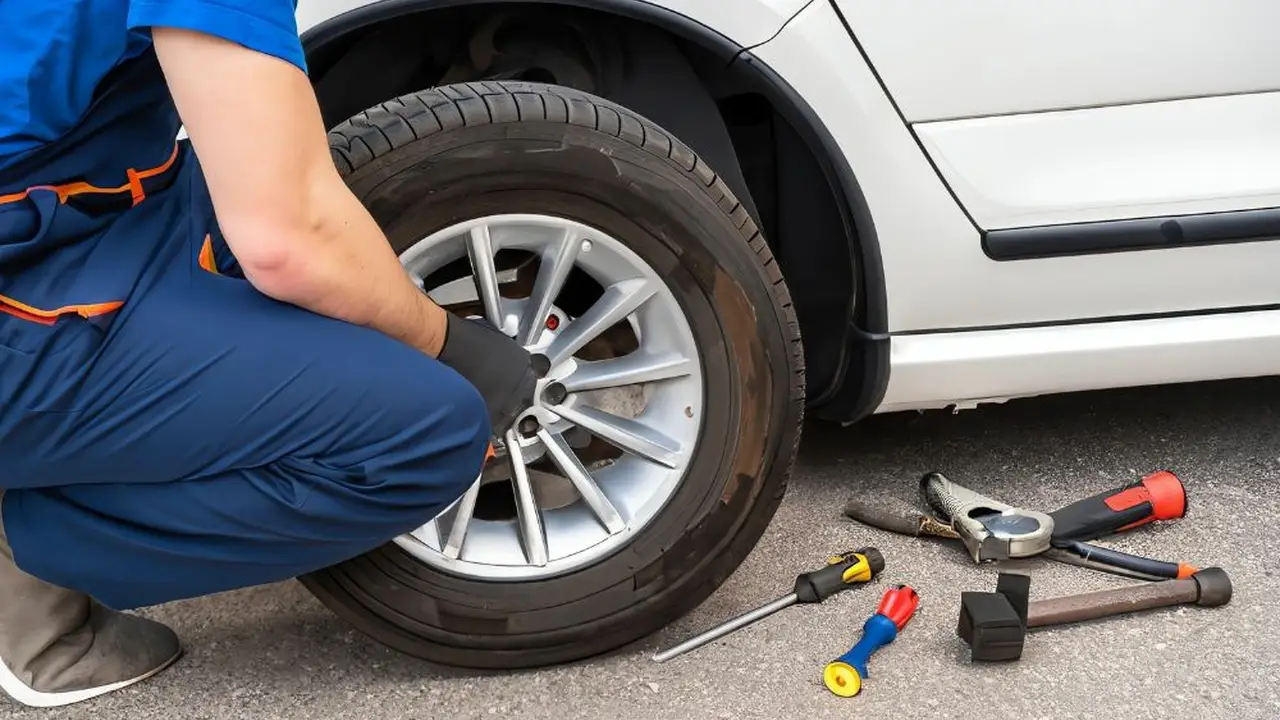
Discover three effective practices to significantly extend the lifespan of your car tires.
3 Best Practices for Extending Tire Lifespan
Hey there, fellow drivers! Let's talk tires. They're literally where the rubber meets the road, and keeping them in tip-top shape isn't just about safety; it's also about saving you a good chunk of change in the long run. Nobody likes shelling out for new tires more often than they have to, right? So, how do we make those crucial pieces of rubber last longer? It boils down to a few key practices. We're going to dive deep into three of the most effective ways to extend your tire's lifespan, covering everything from proper inflation to smart driving habits, and even some product recommendations to help you along the way.
Tire Pressure Maintenance The Foundation of Tire Longevity
Think of your tires like balloons. If they're under-inflated, they sag and wear unevenly. If they're over-inflated, they become rigid and prone to damage. Just right, and they perform optimally. Maintaining the correct tire pressure is arguably the single most important thing you can do for your tires. It affects everything: wear, fuel efficiency, handling, and even braking performance.
Why Correct Tire Pressure Matters for Tire Wear and Fuel Economy
When your tires are under-inflated, more of their surface area touches the road. This might sound good for grip, but it actually causes the shoulders of the tire to wear out much faster than the center. Plus, the increased friction generates more heat, which can degrade the tire's internal structure over time. Under-inflation also increases rolling resistance, meaning your engine has to work harder, burning more fuel. We're talking about a noticeable hit to your gas mileage, which adds up quickly.
On the flip side, over-inflated tires have less contact with the road, primarily wearing down the center of the tread. This reduces grip, makes your ride harsher, and can make your tires more susceptible to punctures and impact damage. It's a delicate balance, and getting it right is crucial.
How to Check and Adjust Tire Pressure Regularly for Optimal Performance
So, how do you know what the 'correct' pressure is? Don't look at the number on the tire's sidewall; that's the maximum pressure the tire can safely hold, not the recommended operating pressure for your vehicle. Instead, check your car's owner's manual or the sticker usually found on the driver's side door jamb, inside the glove compartment, or on the fuel filler flap. This sticker will list the recommended cold tire inflation pressure for both front and rear tires, and sometimes for a fully loaded vehicle.
You should check your tire pressure at least once a month, and definitely before any long road trips. 'Cold' means the car hasn't been driven for at least three hours, or for less than a mile at moderate speed. Driving heats up the tires, increasing the pressure, so checking them when they're warm will give you an inaccurate reading.
What you'll need: A good quality tire pressure gauge. Forget those cheap stick gauges; invest in a digital or dial gauge for accuracy. They're not expensive and will pay for themselves in tire longevity and fuel savings.
How to do it:
- Remove the valve cap from the tire valve stem.
- Press the gauge firmly onto the valve stem. You'll hear a brief hiss of air; that's normal.
- Read the pressure.
- If the pressure is too low, add air using an air compressor (available at most gas stations or for home use). Add air in short bursts and recheck the pressure until it matches the recommended PSI.
- If the pressure is too high, gently press the small pin in the center of the valve stem with the back of the gauge or a small tool to release air, then recheck.
- Replace the valve cap.
Recommended Tire Pressure Gauges and Air Compressors for Home Use
Having your own tools makes this task super easy. Here are a few recommendations:
-
Digital Tire Pressure Gauge: AstroAI Digital Tire Pressure Gauge
- Why it's great: Highly accurate, easy-to-read backlit display, ergonomic design. It's simple to use and gives consistent readings.
- Use case: Perfect for quick, accurate checks before you head out or after a cold night.
- Price point: Around $10-15 USD.
-
Dial Tire Pressure Gauge: Milton S-506 Dual Head Chuck Tire Pressure Gauge
- Why it's great: No batteries needed, very durable, and often preferred by professionals for its reliability. The dual head makes it easy to reach valves on different wheel types.
- Use case: For those who prefer a robust, no-frills, always-ready tool.
- Price point: Around $15-25 USD.
-
Portable Air Compressor: Slime 40026 12V Digital Tire Inflator
- Why it's great: Plugs into your car's 12V outlet, has a built-in digital gauge, and can inflate a standard car tire in minutes. Many models allow you to set a target pressure and it will automatically shut off.
- Use case: Ideal for topping off tires at home, on the go, or in emergencies.
- Price point: Around $30-50 USD.
-
Heavy-Duty Home Air Compressor: VIAIR 88P Portable Air Compressor
- Why it's great: More powerful than typical 12V inflators, faster inflation, and can handle larger tires (like those on SUVs or light trucks).
- Use case: For frequent use, larger vehicles, or those who want a more robust home solution.
- Price point: Around $70-100 USD.
Tire Rotation and Wheel Alignment Maximizing Even Wear
Even with perfect tire pressure, your tires don't wear evenly. The front tires often wear differently than the rear tires due to steering, braking, and engine weight. Similarly, tires on the left side of the car might wear differently than those on the right due to road crown (the slight slope in roads for drainage). This is where tire rotation and wheel alignment come into play.
Understanding Tire Rotation Patterns and Benefits for Tire Life
Tire rotation involves moving your tires from one position on the vehicle to another in a specific pattern. The goal is to ensure that all four tires wear down at roughly the same rate, allowing you to replace them all at once and get the most mileage out of each set.
Common Rotation Patterns:
-
Forward Cross (for front-wheel drive vehicles): Front tires move straight back, rear tires cross to the opposite front position.
Example: Front left to rear left, Front right to rear right, Rear left to front right, Rear right to front left.
-
Rearward Cross (for rear-wheel drive or 4x4/AWD vehicles): Rear tires move straight forward, front tires cross to the opposite rear position.
Example: Rear left to front left, Rear right to front right, Front left to rear right, Front right to rear left.
-
X-Pattern: All tires cross to the opposite axle and side.
Example: Front left to rear right, Front right to rear left, Rear left to front right, Rear right to front left.
Your car's owner's manual will usually recommend a specific rotation pattern and interval. Generally, tire rotation is recommended every 5,000 to 8,000 miles (8,000 to 13,000 kilometers), or every six months, whichever comes first. Many tire shops offer free rotations if you bought your tires from them, so take advantage of that!
The Importance of Wheel Alignment for Preventing Premature Tire Wear
Wheel alignment refers to the adjustment of your vehicle's suspension components so that the wheels are set to the manufacturer's specifications. This ensures that your tires make proper contact with the road and roll straight. When your alignment is off, your tires can drag or scrub against the road surface, leading to rapid and uneven wear.
Signs you might need an alignment:
- Your car pulls to one side when driving straight.
- The steering wheel isn't centered when you're driving straight.
- You notice uneven or rapid tire wear (e.g., one side of the tire is much more worn than the other).
- Your steering feels loose or unresponsive.
It's a good idea to have your alignment checked annually, or whenever you get new tires, hit a major pothole, or replace suspension components. A proper alignment not only saves your tires but also improves handling and fuel efficiency.
DIY Tire Rotation Tools and Professional Service Considerations
While tire rotation can be a DIY job, it requires some specific tools and safety precautions. If you're comfortable with basic car maintenance, here's what you'll need:
-
Floor Jack: Arcan ALJ2T Aluminum Floor Jack
- Why it's great: Lightweight, durable, and has a good lifting range. Safety is paramount when lifting a vehicle.
- Use case: Lifting one corner or the entire side of your car safely.
- Price point: Around $150-250 USD.
-
Jack Stands: Torin Big Red Steel Jack Stands (Pair)
- Why it's great: Absolutely essential for safety. Never work under a car supported only by a jack. These provide stable support.
- Use case: Supporting the vehicle once lifted, allowing you to remove tires safely.
- Price point: Around $30-50 USD for a pair.
-
Lug Wrench/Torque Wrench: EPAuto 1/2-inch Drive Click Torque Wrench
- Why it's great: A lug wrench gets the nuts off, but a torque wrench is crucial for putting them back on correctly. Overtightening or undertightening lug nuts can be dangerous.
- Use case: Removing and correctly re-tightening lug nuts to your vehicle's specified torque.
- Price point: Around $30-60 USD.
Professional Service: For wheel alignment, you absolutely need professional equipment. This isn't a DIY job. Most reputable tire shops and auto service centers have the specialized laser alignment machines required. The cost for an alignment typically ranges from $80 to $150 USD, but it's a worthwhile investment to protect your tires and ensure safe driving.
Smart Driving Habits and Vehicle Maintenance Protecting Your Investment
Even with perfect pressure and regular rotations, how you drive and how you maintain your vehicle can significantly impact tire life. Aggressive driving, neglecting suspension components, and even where you park can all play a role.
Driving Techniques to Minimize Tire Wear and Tear
Your driving style has a direct impact on how quickly your tires wear out. Think about it: every time you accelerate, brake, or turn, you're putting stress on the tires. Here's how to be kinder to them:
- Smooth Acceleration and Braking: Jackrabbit starts and sudden stops put immense stress on your tires, especially the front ones. Accelerate gradually and anticipate stops to brake smoothly. This not only saves your tires but also improves fuel economy and is safer.
- Gentle Cornering: Taking corners at high speeds causes the tire sidewalls to flex excessively and the tread to scrub against the pavement. Slow down before turns and accelerate gently out of them.
- Avoid Potholes and Curbs: These are tire killers. Hitting a pothole can cause immediate damage (like a bulge in the sidewall or a bent rim) or internal damage that leads to premature failure. Scraping curbs can damage sidewalls and throw off your alignment.
- Maintain a Consistent Speed: Excessive speeding generates more heat in your tires, which can accelerate wear. Stick to speed limits and maintain a steady pace.
- Avoid Overloading Your Vehicle: Every vehicle has a maximum load capacity. Exceeding it puts undue stress on your tires, leading to excessive heat buildup and potential failure. Check your owner's manual for your vehicle's Gross Vehicle Weight Rating (GVWR).
The Role of Suspension and Braking System Health in Tire Longevity
Your tires don't operate in a vacuum; they're part of a complex system. The health of your suspension and braking systems directly affects how your tires wear.
- Suspension System: Worn shocks, struts, or other suspension components can lead to uneven tire wear patterns like cupping or feathering. If your suspension isn't properly dampening bumps, the tires will bounce more, leading to inconsistent contact with the road and accelerated wear. Have your suspension checked during routine maintenance.
- Braking System: Worn brake pads or rotors, or a caliper that's sticking, can cause uneven braking force. This can lead to one tire wearing faster than others, or even flat spots if a wheel locks up. Ensure your brakes are in good working order and that braking is even across all wheels.
Tire Storage and Protection Tips for Seasonal Changes or Long Term Parking
If you swap between summer and winter tires, or if you store a vehicle for an extended period, proper tire storage is key to preventing degradation.
- Clean Your Tires: Before storing, thoroughly clean your tires and wheels to remove dirt, brake dust, and road grime. Use a good tire cleaner and let them dry completely.
- Store in a Cool, Dry, Dark Place: Sunlight (UV rays), extreme temperatures, and humidity are enemies of rubber. Store tires in a garage or basement, away from direct sunlight, heat sources, and electric motors (which can produce ozone, harmful to rubber).
-
Proper Positioning:
- On the Rim: If tires are still mounted on their rims, you can stack them horizontally or hang them from tire racks. This is the ideal method as the rim supports the tire's structure.
- Off the Rim: If tires are removed from rims, store them vertically side-by-side. Stacking them without rims can deform the sidewalls. Rotate their position every few months if storing for a very long time.
- Use Tire Bags or Covers: These protect tires from dust, dirt, and UV exposure, even indoors.
Recommended Tire Care Products for Cleaning and Protection
A little care goes a long way in keeping your tires looking good and potentially extending their life by preventing rubber degradation.
-
Tire Cleaner: Meguiar's Hot Rims Tire & Wheel Cleaner
- Why it's great: Effectively removes brake dust, grime, and road film without harsh scrubbing. Safe for most wheel finishes.
- Use case: Regular cleaning to keep tires and wheels pristine.
- Price point: Around $10-15 USD per bottle.
-
Tire Dressing/Protectant: Chemical Guys VRP Vinyl Rubber Plastic Protectant
- Why it's great: Provides a deep, rich shine without being greasy, and offers UV protection to prevent cracking and fading. It's water-based, so it won't sling off onto your paint.
- Use case: After cleaning, to protect the rubber from environmental damage and enhance appearance.
- Price point: Around $15-25 USD per bottle.
-
Tire Storage Bags: Tire Rack Tire Storage Bags
- Why it's great: Durable, reusable bags that protect tires from dust, dirt, and UV rays during storage.
- Use case: For seasonal tire changes or long-term vehicle storage.
- Price point: Around $20-40 USD for a set of four.
By consistently applying these three best practices – maintaining correct tire pressure, ensuring regular rotation and alignment, and adopting smart driving habits with proper vehicle maintenance – you'll not only significantly extend the lifespan of your tires but also enhance your vehicle's safety, performance, and fuel efficiency. It's a win-win-win situation for your wallet, your car, and your peace of mind on the road.
:max_bytes(150000):strip_icc()/277019-baked-pork-chops-with-cream-of-mushroom-soup-DDMFS-beauty-4x3-BG-7505-5762b731cf30447d9cbbbbbf387beafa.jpg)