Comparing EV Performance Sedans vs Sports Cars
A performance comparison between electric sedans and traditional sports cars.
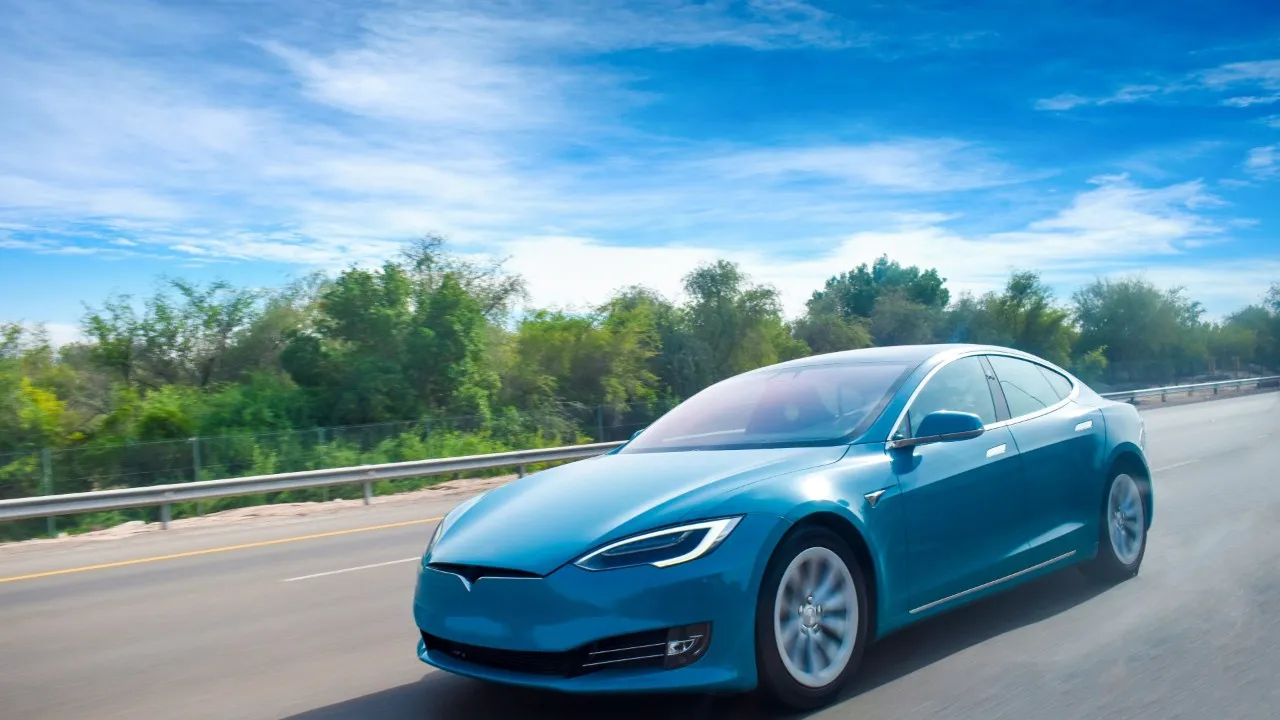
A performance comparison between electric sedans and traditional sports cars.
Comparing EV Performance Sedans vs Sports Cars
Hey there, gearheads and tech enthusiasts! Ever wondered how those sleek, silent electric sedans stack up against the roaring, gasoline-guzzling sports cars we've loved for decades? It's a question that's been buzzing around the automotive world, especially as EVs get faster and more sophisticated. We're talking about raw power, blistering acceleration, and handling that can make your heart race. This isn't just about 0-60 times; it's about the entire driving experience, the technology under the hood (or floor, in an EV's case), and what each type of vehicle brings to the table. So, buckle up, because we're diving deep into a head-to-head battle between the electric future and the combustion-powered past, with a keen eye on what matters most to drivers in the US and Southeast Asia.
The Electric Revolution Understanding EV Performance Dynamics
Electric vehicles, especially performance-oriented sedans, are rewriting the rulebook when it comes to speed and power. Forget about turbo lag or waiting for the engine to hit its power band. EVs deliver instant torque, meaning all that power is available from the moment you press the accelerator. This is thanks to electric motors, which are inherently more efficient and responsive than internal combustion engines. Think about it: no complex transmissions, no pistons moving up and down, just pure, unadulterated thrust. This characteristic gives EVs a significant advantage in off-the-line acceleration, often leaving traditional sports cars in their dust during short sprints.
But it's not just about straight-line speed. The placement of heavy battery packs low in the chassis gives EVs a remarkably low center of gravity. This translates to exceptional handling and stability, allowing them to corner with surprising agility. Many performance EVs also feature advanced torque vectoring systems, where individual electric motors can precisely control the power delivered to each wheel, further enhancing grip and cornering ability. It's a different kind of performance, one that's smooth, quiet, and incredibly precise.
Traditional Sports Cars The Enduring Appeal of Combustion Power
Now, let's not forget the legends. Traditional sports cars, with their high-revving engines, intricate exhaust notes, and manual transmissions (for some), offer a visceral driving experience that many enthusiasts cherish. The sound of a V8 or a flat-six engine screaming towards its redline, the feel of a perfectly executed gear change, and the raw, mechanical connection to the road are all part of the allure. These cars are often lighter than their EV counterparts, and their power-to-weight ratios can be phenomenal. They've been honed over decades of motorsport and engineering, resulting in finely tuned machines designed for maximum driver engagement.
While they might not always win the 0-60 sprint against the quickest EVs, traditional sports cars often excel in sustained high-speed driving, track performance, and the sheer emotional connection they provide. The engineering behind their engines, suspension systems, and aerodynamic designs is a testament to human ingenuity, offering a blend of power, precision, and passion that's hard to replicate.
Acceleration Showdown 0-60 MPH and Quarter Mile Times
This is where the rubber meets the road, literally. When it comes to raw acceleration, many high-performance EVs have simply redefined what's possible. Let's look at some contenders:
EV Performance Sedans Top Accelerators
- Tesla Model S Plaid: This beast can hit 0-60 mph in a mind-boggling 1.99 seconds (with rollout subtracted) and complete the quarter-mile in under 9.3 seconds. It's a drag strip king, and its tri-motor setup delivers over 1,000 horsepower.
- Lucid Air Sapphire: A newer challenger, the Air Sapphire boasts over 1,200 horsepower and can achieve 0-60 mph in just 1.89 seconds. It's a luxury sedan that can outrun almost anything on the road.
- Porsche Taycan Turbo S: Porsche's electric flagship can do 0-60 mph in 2.6 seconds. While not as quick as the Plaid, its consistent performance and track-focused engineering make it a formidable opponent.
- Hyundai Ioniq 5 N: A more accessible performance EV, the Ioniq 5 N offers a 0-60 mph time of around 3.2 seconds, bringing serious performance to a broader audience.
Traditional Sports Cars Iconic Speedsters
- Porsche 911 Turbo S: A benchmark for sports car performance, the 911 Turbo S can hit 0-60 mph in 2.6 seconds and run the quarter-mile in about 10.5 seconds. Its all-wheel-drive grip and lightning-fast PDK transmission are legendary.
- Ferrari 296 GTB: This hybrid supercar (still with a combustion engine at its heart) achieves 0-60 mph in 2.9 seconds. It's a symphony of power and precision.
- Chevrolet Corvette Z06: The American icon, the Z06, can do 0-60 mph in 2.6 seconds, thanks to its naturally aspirated flat-plane crank V8.
- Nissan GT-R Nismo: The 'Godzilla' can sprint from 0-60 mph in around 2.5 seconds, showcasing its incredible all-wheel-drive system and twin-turbo V6.
As you can see, in a straight line, the top-tier EVs are often quicker than even the most exotic sports cars. The instant torque and seamless power delivery are simply unmatched.
Handling and Dynamics Cornering Capabilities Compared
While acceleration is thrilling, true performance is also about how a car handles corners, brakes, and responds to driver input. This is where the differences between EVs and traditional sports cars become more nuanced.
EV Handling The Silent Grip
EVs, with their heavy battery packs mounted low, benefit from a very low center of gravity. This inherently improves stability and reduces body roll during cornering. Many performance EVs also feature sophisticated suspension systems, adaptive dampers, and advanced torque vectoring. For example, the Porsche Taycan Turbo S, despite its weight, feels incredibly planted and agile on a winding road, thanks to its active suspension management and rear-axle steering. The Lucid Air Sapphire, with its tri-motor setup, can precisely distribute power to each wheel, allowing for incredible cornering speeds and stability. The Hyundai Ioniq 5 N even has features like 'N Drift Optimizer' and 'N Torque Distribution' to enhance its track capabilities, showing that EVs can be engaging beyond just straight-line speed.
Traditional Sports Car Handling The Analog Feel
Traditional sports cars often prioritize a more direct, analog feel. Their lighter weight, combined with finely tuned suspension geometries and often less electronic intervention, can provide a more communicative driving experience. Cars like the Porsche 911 or the Mazda MX-5 Miata are celebrated for their steering feel, chassis balance, and the way they communicate the limits of grip to the driver. While they might have a higher center of gravity than an EV, their overall lighter mass can make them feel more nimble and responsive to quick changes in direction. The sound and vibration from the engine also add to the sensory experience, making the driver feel more connected to the machine.
The Driving Experience Sound, Feel, and Engagement
This is perhaps the most subjective, yet crucial, aspect of comparing these two types of vehicles. What defines a 'performance' driving experience for you?
The EV Experience Silent Speed and Tech Integration
Driving a high-performance EV is a unique experience. The silence, broken only by the rush of wind and tires, amplifies the sensation of speed. The instant, relentless acceleration can be addictive. Modern EVs are also packed with cutting-edge technology, from massive infotainment screens to advanced driver-assistance systems, making them incredibly comfortable and convenient for daily driving. However, some enthusiasts miss the auditory feedback of an engine, the vibrations, and the mechanical engagement of a traditional gearbox. While some EVs offer simulated engine sounds, they rarely replicate the organic symphony of a combustion engine.
The Traditional Sports Car Experience Raw Emotion and Sensory Overload
For many, the traditional sports car experience is all about the sensory overload. The roar of the engine, the pop and crackle of the exhaust, the precise feel of the shifter, and the vibrations through the steering wheel all contribute to an immersive and emotional connection. It's a more raw, unfiltered experience that appeals to those who love the mechanical artistry of an internal combustion engine. These cars often demand more from the driver, requiring skill and precision to extract their full potential, which can be incredibly rewarding.
Practicality and Daily Usability Performance Beyond the Track
Let's be real, most of us aren't living on a race track. So, how do these performance machines fare in the real world, especially for drivers in the US and Southeast Asia?
EV Performance Sedans Everyday Supercars
Many performance EVs, like the Tesla Model S Plaid or Porsche Taycan, are still sedans at heart. This means they often offer comfortable seating for four or five, decent trunk space, and a quiet, refined ride for daily commutes. Their advanced technology makes them excellent long-distance cruisers, provided charging infrastructure is available. In urban environments, their instant torque makes navigating traffic a breeze, and their regenerative braking can even extend range. For US commuters, the ability to charge at home overnight is a huge convenience. In Southeast Asia, where fuel prices can be volatile, the lower running costs of an EV can be a significant advantage, though charging infrastructure is still developing in some areas.
Traditional Sports Cars Weekend Warriors and Special Occasions
Traditional sports cars, while exhilarating, often come with compromises in practicality. They typically have limited seating (often two-seaters), smaller trunks, and can have a stiffer ride that's less comfortable for daily driving. Fuel economy can also be a concern, especially with high-performance engines. While they are fantastic for spirited drives on weekends or track days, they might not be the most practical choice for grocery runs or family trips. However, for those who value the driving experience above all else, these compromises are often worth it.
Cost of Ownership Purchase Price and Running Costs
The financial aspect is always a big consideration. Let's break down the costs.
EV Performance Sedans Initial Investment and Long-Term Savings
High-performance EVs often come with a hefty initial price tag. For example, a Tesla Model S Plaid starts around $89,990, and a Lucid Air Sapphire can easily exceed $250,000. A Porsche Taycan Turbo S starts around $194,000. However, the running costs are generally lower. Electricity is typically cheaper than gasoline, and EVs require less maintenance (no oil changes, spark plugs, or complex exhaust systems). Government incentives and tax credits for EVs can also help offset the purchase price in some regions, particularly in the US. In Southeast Asia, while the initial cost might be higher, the long-term savings on fuel and maintenance can be very attractive.
Traditional Sports Cars Premium Price and Higher Running Costs
Traditional sports cars also command premium prices. A Porsche 911 Turbo S starts around $230,000, and a Chevrolet Corvette Z06 can be over $110,000. Beyond the purchase price, these cars typically have higher running costs. They consume premium gasoline, often require more frequent and specialized maintenance, and parts can be expensive. Insurance premiums can also be higher due to their performance capabilities and higher risk of theft. For enthusiasts, these costs are often seen as part of the passion, but they are definitely something to factor in.
Recommended Performance Vehicles for US and Southeast Asian Markets
Let's get down to some specific recommendations, keeping in mind the diverse needs and preferences of drivers in the US and Southeast Asia.
Top EV Performance Sedans to Consider
Tesla Model S Plaid The Unrivaled Drag Racer
- Description: The Model S Plaid is a technological marvel, offering blistering acceleration and a spacious, minimalist interior. It's a full-size luxury sedan that can outrun almost any supercar.
- Key Features: Tri-motor AWD, 1,020 hp, 0-60 mph in 1.99s, up to 359 miles range (EPA est.), advanced Autopilot, yoke steering wheel.
- Use Case: Ideal for those who prioritize raw acceleration, cutting-edge technology, and a spacious cabin for daily driving and occasional thrills. Great for US drivers with access to Tesla's Supercharger network. In Southeast Asia, its appeal is growing as charging infrastructure expands in major cities.
- Price (US): Starting around $89,990.
- Comparison: Unmatched acceleration for its price point and practicality.
Porsche Taycan Turbo S The Driver's EV
- Description: The Taycan Turbo S combines Porsche's legendary driving dynamics with electric power. It's a true sports car that happens to be electric, offering exceptional handling and build quality.
- Key Features: Dual-motor AWD, up to 750 hp (with overboost), 0-60 mph in 2.6s, up to 222 miles range (EPA est.), adaptive air suspension, rear-axle steering.
- Use Case: Perfect for enthusiasts who want an EV with a strong emphasis on driving engagement, track capability, and premium luxury. Its performance is consistent and repeatable, making it a joy on winding roads. Popular in both US and affluent Southeast Asian markets.
- Price (US): Starting around $194,000.
- Comparison: Offers a more traditional sports car feel than the Plaid, with superior handling and braking for track use.
Lucid Air Sapphire The New Luxury Performance King
- Description: The Lucid Air Sapphire is a hyper-performance luxury sedan that pushes the boundaries of EV capability, offering incredible power and exquisite craftsmanship.
- Key Features: Tri-motor AWD, 1,234 hp, 0-60 mph in 1.89s, over 400 miles range (est.), advanced aerodynamics, luxurious interior.
- Use Case: For those seeking the absolute pinnacle of EV performance combined with ultra-luxury and long-range capability. A statement car for the discerning buyer. Limited availability in Southeast Asia currently, but gaining traction in the US.
- Price (US): Starting around $250,000.
- Comparison: Combines the Plaid's acceleration with a more luxurious and refined package, often with better range.
Hyundai Ioniq 5 N Accessible Performance EV
- Description: The Ioniq 5 N brings N-brand performance to the electric era, offering a fun, engaging, and surprisingly capable driving experience at a more attainable price point.
- Key Features: Dual-motor AWD, 641 hp (with N Grin Boost), 0-60 mph in 3.2s, N e-shift (simulated gear changes), N Drift Optimizer.
- Use Case: An excellent choice for performance enthusiasts who want an engaging EV without breaking the bank. Great for spirited driving and even track days. Highly relevant for both US and Southeast Asian markets looking for performance value.
- Price (US): Estimated starting around $66,000.
- Comparison: Offers a more interactive and 'fun' driving experience than many other EVs, with features designed to mimic traditional sports cars.
Top Traditional Sports Cars to Consider
Porsche 911 Turbo S The Benchmark Sports Car
- Description: The 911 Turbo S is the ultimate expression of Porsche's engineering prowess, offering incredible speed, precision, and everyday usability.
- Key Features: Twin-turbo flat-six engine, 640 hp, 0-60 mph in 2.6s, AWD, PDK transmission, iconic design.
- Use Case: For drivers who demand the highest levels of performance, handling, and a visceral driving experience, with the option for daily use. A dream car for many in the US and a status symbol in Southeast Asia.
- Price (US): Starting around $230,000.
- Comparison: Offers a more engaging and communicative driving experience than most EVs, with a rich engine sound and mechanical feel.
Chevrolet Corvette Z06 American Muscle Refined
- Description: The C8 Corvette Z06 is a track-focused American supercar with a screaming flat-plane crank V8 engine, offering exotic looks and incredible performance.
- Key Features: 5.5L naturally aspirated flat-plane crank V8, 670 hp, 0-60 mph in 2.6s, mid-engine layout, aggressive aerodynamics.
- Use Case: Ideal for those who want a high-performance track weapon with a distinctive engine note and exotic styling, at a relatively accessible price for its performance. Very popular in the US, with growing interest in Southeast Asia.
- Price (US): Starting around $110,000.
- Comparison: Offers a more raw and visceral driving experience than many European sports cars, with a unique engine character.
Nissan GT-R Nismo The Japanese Icon
- Description: The GT-R Nismo is a legendary performance car known for its incredible all-wheel-drive grip, twin-turbo V6, and ability to defy physics.
- Key Features: 3.8L twin-turbo V6, 600 hp, 0-60 mph in 2.5s, advanced AWD system, Nismo-tuned suspension.
- Use Case: For enthusiasts who appreciate cutting-edge technology, incredible all-weather performance, and a car that can humble much more expensive machinery. A cult classic in the US and highly sought after in Southeast Asia.
- Price (US): Starting around $220,000.
- Comparison: Offers unparalleled all-weather grip and a highly tunable platform, making it a favorite for aftermarket modifications.
The Future of Performance Driving Coexistence or Domination
So, what does the future hold for performance driving? It's clear that EVs are here to stay and will continue to push the boundaries of speed and acceleration. Their technological advancements, coupled with environmental benefits, make them an increasingly attractive option. However, the emotional connection and visceral experience offered by traditional sports cars will likely ensure their place in the hearts of enthusiasts for years to come.
We might see a future where both types of vehicles coexist, each catering to different preferences. Perhaps traditional sports cars will become even more specialized, focusing on lightweight design and driver engagement, while EVs continue to dominate the raw acceleration and tech-forward segments. The automotive landscape is constantly evolving, and this friendly rivalry between electric and combustion power is only making cars more exciting for everyone.
Ultimately, the 'better' car depends on what you value most in a performance vehicle. Do you crave the silent, instant thrust and technological prowess of an EV, or the roaring engine, mechanical feedback, and rich heritage of a traditional sports car? The good news is, there's never been a better time to be a car enthusiast, with incredible options available on both sides of the performance spectrum.
:max_bytes(150000):strip_icc()/277019-baked-pork-chops-with-cream-of-mushroom-soup-DDMFS-beauty-4x3-BG-7505-5762b731cf30447d9cbbbbbf387beafa.jpg)