Comparing Synthetic vs Conventional Engine Oil
Understand the differences and benefits of synthetic versus conventional engine oil for your vehicle.
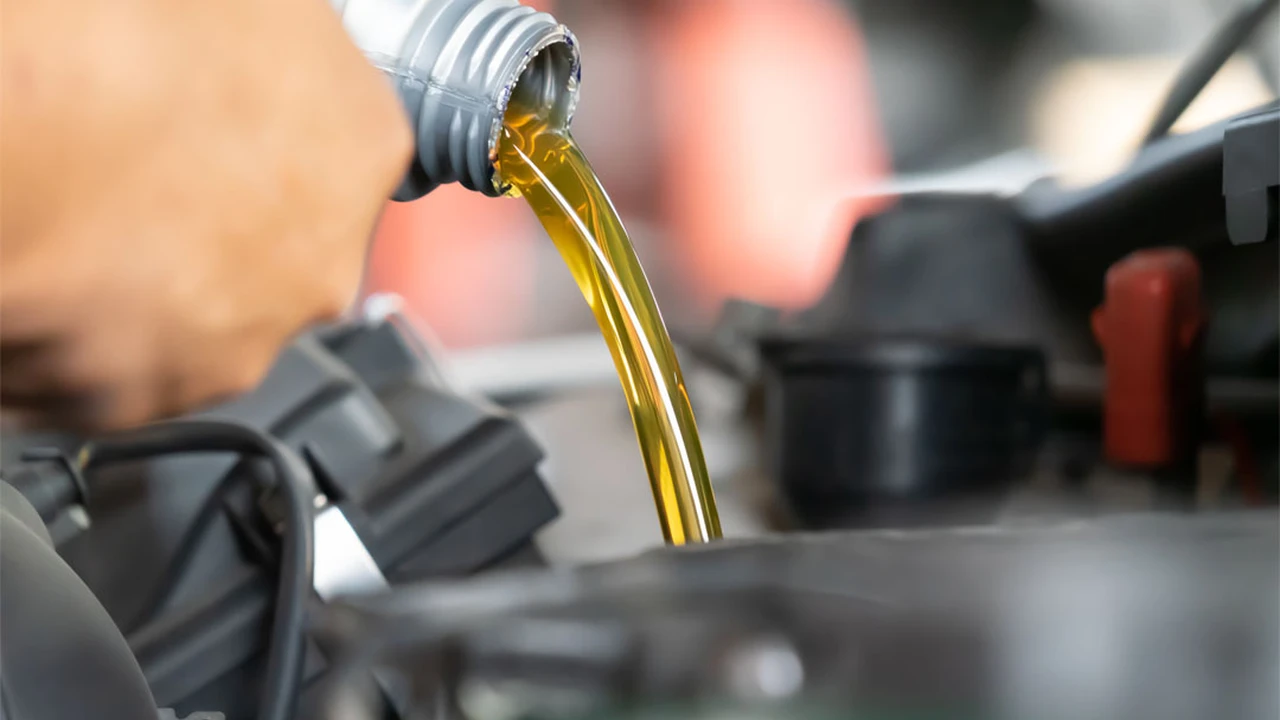
Understand the differences and benefits of synthetic versus conventional engine oil for your vehicle.
Comparing Synthetic vs Conventional Engine Oil
Hey there, car enthusiasts and everyday drivers! Let's talk about something super important for your ride's health: engine oil. You've probably heard terms like 'synthetic' and 'conventional' thrown around, but what do they actually mean for your car? And more importantly, which one should you be pouring into your engine? We're going to break it all down, comparing these two types of engine oil, looking at their benefits, use cases, and even some specific product recommendations to help you make an informed decision.
Understanding Engine Oil Basics: Why It Matters
Before we dive into the synthetic vs. conventional debate, let's quickly recap why engine oil is so crucial. Think of it as the lifeblood of your engine. It does a few vital jobs:
- Lubrication: Reduces friction between moving parts, preventing wear and tear.
- Cooling: Helps dissipate heat generated by the engine.
- Cleaning: Carries away dirt, sludge, and other contaminants.
- Sealing: Helps seal the gap between pistons and cylinder walls.
- Corrosion Protection: Protects metal components from rust and corrosion.
Without proper lubrication, your engine would quickly overheat and seize up. So, choosing the right oil isn't just a suggestion; it's a necessity for your car's longevity and performance.
Conventional Engine Oil: The Traditional Choice for Your Vehicle
Conventional engine oil, also known as mineral oil, is refined directly from crude oil. It's the traditional choice that's been around for decades. It's generally less expensive than synthetic oil and works perfectly fine for many older vehicles or those with less demanding driving conditions.
Pros of Conventional Engine Oil: Cost and Accessibility
- Lower Cost: This is often the biggest draw. Conventional oil is significantly cheaper per quart than synthetic oil, which can save you money on regular oil changes.
- Widely Available: You can find conventional oil pretty much anywhere car parts are sold, from gas stations to supermarkets.
- Suitable for Older Engines: Many older car engines were designed with conventional oil in mind and may not necessarily benefit from synthetic oil.
Cons of Conventional Engine Oil: Performance Limitations and Shorter Lifespan
- Less Refined: Because it's less processed, conventional oil contains more impurities and inconsistencies at a molecular level.
- Breaks Down Faster: It's more susceptible to thermal breakdown and oxidation, especially under high heat or stress. This means it loses its lubricating properties more quickly.
- Shorter Oil Change Intervals: Typically, you'll need to change conventional oil every 3,000 to 5,000 miles, depending on your vehicle and driving habits.
- Less Protection: Offers less protection against engine wear, especially in extreme temperatures or heavy-duty use.
When to Use Conventional Engine Oil: Ideal Scenarios for Your Car
Conventional oil is a good choice if:
- You drive an older vehicle that specifically recommends conventional oil.
- You have a low-mileage vehicle that doesn't experience extreme driving conditions.
- You're on a tight budget and prioritize upfront cost savings.
- You're diligent about sticking to regular, shorter oil change intervals.
Recommended Conventional Engine Oil Products: Affordable and Reliable Options
If conventional oil is your go-to, here are a couple of solid options:
- Castrol GTX Conventional Motor Oil: A long-standing favorite, known for its sludge protection. It's a reliable choice for everyday driving. You can usually find a 5-quart jug for around $18-$25. Great for older sedans and SUVs.
- Pennzoil Conventional Motor Oil: Another trusted brand that offers good engine protection at an affordable price. Expect to pay similar to Castrol GTX, around $18-$25 for 5 quarts. Suitable for a wide range of vehicles requiring conventional oil.
Synthetic Engine Oil: The Modern Solution for Engine Protection
Synthetic engine oil is a man-made lubricant, engineered from chemical compounds rather than crude oil. This allows for a much more consistent and pure molecular structure, leading to superior performance and protection.
Pros of Synthetic Engine Oil: Superior Performance and Longevity
- Enhanced Performance: Synthetic oil maintains its viscosity and lubricating properties much better across a wider range of temperatures, from freezing cold starts to scorching hot engine operation.
- Better Engine Protection: Its uniform molecular structure means less friction, less wear, and better protection against sludge and deposits.
- Longer Oil Change Intervals: Synthetic oils can typically last much longer, often 7,500 to 10,000 miles, or even more with some advanced formulations. This can save you time and trips to the mechanic.
- Improved Fuel Economy: Reduced friction can sometimes lead to a slight improvement in fuel efficiency.
- Better for Turbocharged Engines: Modern engines, especially those with turbochargers, run hotter and benefit greatly from the thermal stability of synthetic oil.
Cons of Synthetic Engine Oil: Higher Initial Cost
- Higher Price Tag: The main downside is the cost. Synthetic oil is generally two to four times more expensive per quart than conventional oil.
- Not Always Necessary for All Vehicles: While it offers superior protection, some older, less demanding engines might not fully utilize its benefits.
When to Use Synthetic Engine Oil: Optimal Scenarios for Your Car
Synthetic oil is highly recommended if:
- Your car manufacturer specifically recommends or requires synthetic oil (check your owner's manual!).
- You drive a newer vehicle, especially one with a turbocharger or direct injection.
- You frequently drive in extreme temperatures (very hot or very cold).
- You do a lot of stop-and-go city driving or heavy towing.
- You want the best possible protection and longevity for your engine.
- You prefer longer intervals between oil changes.
Recommended Synthetic Engine Oil Products: Premium Protection for Your Ride
For those looking for top-tier synthetic protection, consider these:
- Mobil 1 Advanced Full Synthetic Motor Oil: One of the most popular and highly regarded synthetic oils. It offers excellent wear protection and performance in extreme conditions. A 5-quart jug typically costs around $25-$35. Ideal for high-performance cars, newer vehicles, and those driven in harsh conditions.
- Castrol EDGE Advanced Full Synthetic Motor Oil: Known for its fluid titanium technology, which strengthens the oil film under pressure. Great for modern engines that demand high performance. Expect to pay $25-$35 for a 5-quart jug. Excellent for European cars and performance vehicles.
- Pennzoil Platinum Full Synthetic Motor Oil: Made from natural gas, this oil boasts exceptional cleanliness and protection against sludge. Often praised for keeping engines cleaner. Price point is similar to Mobil 1 and Castrol EDGE, around $25-$35 for 5 quarts. A strong contender for any vehicle requiring full synthetic.
- Valvoline Advanced Full Synthetic Motor Oil: Offers strong protection against heat and deposits, ensuring engine longevity. A reliable choice for a wide range of vehicles. Typically $22-$32 for a 5-quart jug. Good all-around synthetic for various driving conditions.
Synthetic Blend Engine Oil: The Best of Both Worlds for Your Engine
What if you want some of the benefits of synthetic oil without the full synthetic price tag? That's where synthetic blend oil comes in. It's a mix of conventional and synthetic base oils, offering a middle ground in terms of performance and cost.
Pros of Synthetic Blend Engine Oil: Balanced Performance and Value
- Better Protection Than Conventional: Offers improved resistance to oxidation and thermal breakdown compared to conventional oil.
- More Affordable Than Full Synthetic: A good compromise if full synthetic is out of your budget but you want more protection than conventional.
- Longer Oil Change Intervals: Can often extend oil change intervals beyond conventional oil, though not as long as full synthetic.
Cons of Synthetic Blend Engine Oil: Not Full Synthetic Performance
- Not as Good as Full Synthetic: While better than conventional, it doesn't offer the same level of protection or longevity as a full synthetic.
- Still More Expensive Than Conventional: You'll pay more than conventional oil.
When to Use Synthetic Blend Engine Oil: Practical Applications for Your Car
Synthetic blend oil is a solid option if:
- Your car manufacturer recommends it.
- You drive a newer vehicle that doesn't explicitly require full synthetic but could benefit from enhanced protection.
- You want to upgrade from conventional oil without the full cost of synthetic.
- You experience moderate driving conditions, such as a mix of city and highway driving.
Recommended Synthetic Blend Engine Oil Products: Mid-Range Options for Your Vehicle
For a good balance of performance and value, check these out:
- Castrol GTX High Mileage Motor Oil: Specifically formulated for vehicles with over 75,000 miles, it helps reduce oil burn-off and leaks. A 5-quart jug is usually around $20-$28. Excellent for older cars with higher mileage.
- Valvoline MaxLife High Mileage Motor Oil: Another popular choice for high-mileage vehicles, designed to fight the four major causes of engine breakdown. Similar pricing to Castrol GTX High Mileage. Great for extending the life of an older engine.
High Mileage Engine Oil: Specialized Care for Older Vehicles
High mileage oil is a type of conventional or synthetic blend oil that includes special additives designed to address the needs of older engines, typically those with over 75,000 miles. These additives help condition seals, reduce oil consumption, and prevent leaks.
Pros of High Mileage Engine Oil: Benefits for Aging Engines
- Seal Conditioners: Helps to rejuvenate worn seals, reducing oil leaks and consumption.
- Reduced Sludge and Deposits: Formulated to clean and protect older engines from harmful buildup.
- Improved Wear Protection: Offers enhanced protection for components that have experienced years of wear.
Cons of High Mileage Engine Oil: Not for New Engines
- Not Necessary for New Cars: Using high mileage oil in a new engine offers no additional benefit and might even be less effective than a standard oil designed for new engines.
- Slightly More Expensive Than Standard Conventional: You'll pay a bit more than basic conventional oil.
When to Use High Mileage Engine Oil: Best for Well-Traveled Cars
Use high mileage oil if:
- Your vehicle has over 75,000 miles on the odometer.
- You notice minor oil leaks or increased oil consumption.
- You want to extend the life of your older engine.
Recommended High Mileage Engine Oil Products: Keeping Older Cars Running Strong
As mentioned above, Castrol GTX High Mileage and Valvoline MaxLife High Mileage are excellent choices in this category, often available as synthetic blends. Their pricing is typically in the $20-$28 range for a 5-quart jug.
Key Considerations When Choosing Engine Oil: Making the Right Decision
So, how do you pick the right oil for your car? Here are the most important factors:
Check Your Owner's Manual: The Ultimate Guide for Your Car's Oil
This is your absolute first step! Your car's manufacturer knows best. The owner's manual will specify the exact oil type (conventional, synthetic blend, or full synthetic), the viscosity grade (e.g., 5W-30, 0W-20), and any specific certifications (like API or ILSAC standards) your engine requires. Sticking to these recommendations is crucial for warranty compliance and optimal engine health.
Viscosity Grade: Understanding the Numbers on Your Oil Bottle
The numbers on the oil bottle, like '5W-30,' refer to the oil's viscosity, or its resistance to flow. The 'W' stands for winter, and the first number (e.g., 5W) indicates how well the oil flows in cold temperatures. A lower number means better cold-start performance. The second number (e.g., 30) indicates the oil's viscosity at operating temperature. Always use the viscosity grade recommended by your manufacturer.
Driving Conditions: How Your Habits Affect Oil Choice
- Extreme Temperatures: If you live in an area with very hot summers or very cold winters, synthetic oil's superior temperature stability is a huge advantage.
- Heavy-Duty Use: Frequent towing, hauling, or driving in stop-and-go traffic puts more stress on your engine, making synthetic oil a better choice for enhanced protection.
- Short Trips: If most of your drives are short, your engine might not reach optimal operating temperature, leading to moisture and sludge buildup. Synthetic oil's cleaning properties can be beneficial here.
Budget vs. Long-Term Savings: Weighing the Costs of Engine Oil
While synthetic oil has a higher upfront cost, its longer oil change intervals and superior protection can lead to long-term savings. Fewer oil changes mean less time and money spent at the mechanic, and better engine protection can prevent costly repairs down the road. Consider the total cost of ownership, not just the price per quart.
The Verdict: Which Engine Oil is Right for You?
Ultimately, the best engine oil for your car depends on a combination of your vehicle's requirements, your driving habits, and your budget. If your owner's manual recommends synthetic, then that's your answer. If it allows for conventional, consider upgrading to a synthetic blend or full synthetic for enhanced protection and longer intervals, especially if you have a newer car or drive in demanding conditions.
Think of it this way: conventional oil is like a good, basic multivitamin. It gets the job done. Synthetic oil is like a premium, targeted supplement with extra benefits. It costs more, but it offers superior protection and performance, especially for modern, high-tech engines.
No matter which oil you choose, the most important thing is to stick to your vehicle's recommended oil change schedule. Regular maintenance is key to keeping your engine running smoothly for years to come. Happy driving!
:max_bytes(150000):strip_icc()/277019-baked-pork-chops-with-cream-of-mushroom-soup-DDMFS-beauty-4x3-BG-7505-5762b731cf30447d9cbbbbbf387beafa.jpg)