Southeast Asia Automotive Market Outlook 2024
A comprehensive outlook on the automotive market trends and predictions for Southeast Asia in 2024.

A comprehensive outlook on the automotive market trends and predictions for Southeast Asia in 2024.
Southeast Asia Automotive Market Outlook 2024
Navigating the Dynamic Landscape of Southeast Asia's Automotive Industry
Welcome to our deep dive into the Southeast Asian automotive market for 2024! This region, a vibrant tapestry of diverse economies and cultures, is rapidly emerging as a global powerhouse in the automotive sector. From bustling metropolises to sprawling rural landscapes, the demand for personal and commercial vehicles is undergoing a fascinating transformation. We're not just talking about cars here; we're exploring the entire ecosystem – from manufacturing hubs and technological innovations to shifting consumer preferences and the ever-present influence of global economic currents. Understanding this market isn't just about numbers; it's about recognizing the unique blend of local aspirations and international trends that shape its trajectory. So, buckle up as we navigate the exciting and complex roads ahead for Southeast Asia's automotive industry.
Key Market Drivers and Economic Influences on Automotive Sales in Southeast Asia
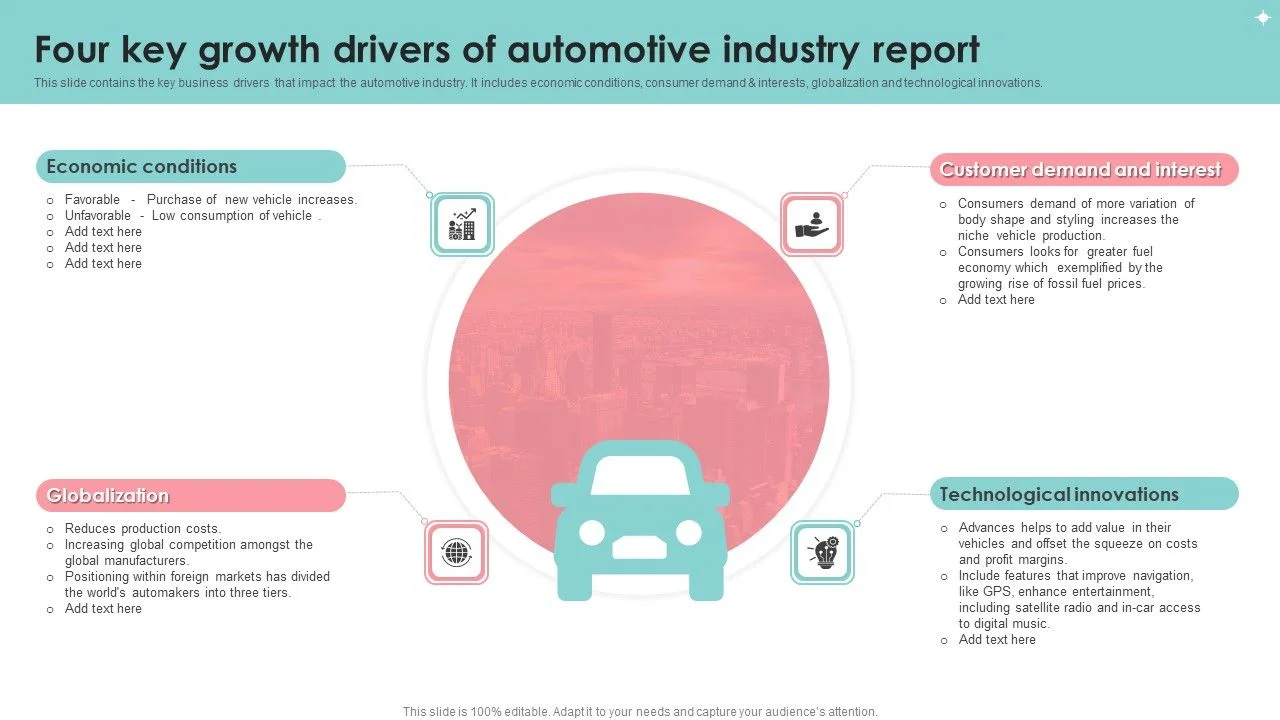
What's really fueling the engine of growth in Southeast Asia's automotive market? It's a combination of powerful economic forces and evolving societal trends. First off, robust economic growth across many ASEAN nations is putting more disposable income into the hands of consumers. This means more people can afford to buy their first car or upgrade to a newer model. Urbanization is another massive factor; as cities expand and populations concentrate, the need for personal mobility solutions becomes more pronounced. Infrastructure development, particularly in road networks and public transportation, also plays a crucial role, making vehicle ownership more practical and desirable. Government policies, ranging from tax incentives for electric vehicles to regulations on emissions, significantly steer market direction. Don't forget the demographic dividend – a large, young, and increasingly affluent population is entering the car-buying age, representing a huge potential customer base. However, it's not all smooth sailing. Global economic uncertainties, fluctuating fuel prices, and supply chain disruptions can act as headwinds, impacting production and consumer confidence. We'll explore how these drivers and challenges are interacting to shape the market in 2024.
Emerging Trends Electric Vehicles and Sustainable Mobility in Southeast Asia
The electric vehicle (EV) revolution isn't just a Western phenomenon; it's rapidly gaining traction in Southeast Asia, albeit with its own unique flavor. Countries like Thailand, Indonesia, and Vietnam are making significant strides in promoting EV adoption through various incentives, including tax breaks, charging infrastructure development, and local manufacturing initiatives. We're seeing a surge in interest for both electric cars and electric two-wheelers, which are particularly popular in urban centers due to their efficiency and lower running costs. But it's not just about EVs; the broader concept of sustainable mobility is taking hold. This includes the rise of ride-sharing services, integrated public transport systems, and even micro-mobility solutions like electric scooters and bicycles. The focus is shifting towards reducing carbon footprints and improving air quality, especially in densely populated cities. This trend presents both opportunities and challenges for traditional automakers, who must adapt their product portfolios and manufacturing processes to meet these new demands. We'll delve into the specific policies and market responses driving this green transformation.
Competitive Landscape and Key Players in the Southeast Asian Automotive Market
The automotive market in Southeast Asia is a vibrant battleground where global giants and local champions vie for market share. Japanese brands like Toyota, Honda, and Mitsubishi have historically dominated, thanks to their reputation for reliability, fuel efficiency, and extensive dealer networks. However, the landscape is evolving rapidly. Chinese automakers, with their aggressive pricing strategies and increasingly sophisticated EV offerings, are making significant inroads. Brands like BYD, Great Wall Motor, and Wuling are expanding their presence, particularly in the electric vehicle segment. European and American brands also maintain a strong presence, especially in the premium and luxury segments. Local players, such as Proton and Perodua in Malaysia, and VinFast in Vietnam, are also crucial, often benefiting from government support and a deep understanding of local consumer preferences. The competition isn't just about sales; it's also about establishing manufacturing bases, investing in R&D, and building robust supply chains within the region. This intense competition ultimately benefits consumers, leading to a wider array of choices and more competitive pricing. We'll examine how these players are positioning themselves for success in 2024.
Consumer Preferences and Purchasing Behavior Across Southeast Asian Nations
Understanding the Southeast Asian consumer is key to unlocking success in this diverse market. It's not a monolithic entity; preferences vary significantly from country to country. For instance, in Indonesia and the Philippines, multi-purpose vehicles (MPVs) and SUVs are highly popular due to their practicality for larger families and often challenging road conditions. In contrast, smaller, more fuel-efficient sedans and hatchbacks might be preferred in congested urban centers like Bangkok or Ho Chi Minh City. Affordability remains a primary concern across the board, leading to strong demand for entry-level and mid-range vehicles. However, as incomes rise, there's a growing appetite for premium features, advanced technology, and enhanced safety. The influence of digital channels on purchasing decisions is also undeniable, with consumers increasingly researching vehicles online, comparing prices, and reading reviews before stepping into a dealership. Financing options play a crucial role, and the availability of attractive loan schemes can significantly impact sales. Furthermore, brand loyalty, after-sales service, and the availability of spare parts are critical factors that influence long-term ownership satisfaction. We'll explore these nuanced consumer behaviors and how automakers are tailoring their strategies to meet these diverse demands.
Technological Advancements and Digital Transformation in Automotive Retail
The automotive industry in Southeast Asia is embracing technological advancements at an unprecedented pace, not just in vehicle design but also in how cars are sold and serviced. Digital transformation is reshaping the entire customer journey. Online configurators, virtual showrooms, and augmented reality (AR) experiences are becoming more common, allowing customers to explore vehicles from the comfort of their homes. Data analytics and artificial intelligence (AI) are being used to personalize marketing efforts, predict consumer trends, and optimize inventory management. Dealerships are evolving into experience centers, offering seamless integration of online and offline interactions. After-sales service is also being revolutionized, with connected car technologies enabling remote diagnostics, predictive maintenance, and over-the-air (OTA) updates. The rise of fintech solutions is making vehicle financing more accessible and streamlined. This digital shift is not only enhancing the customer experience but also improving operational efficiency for automakers and dealerships. We'll look at specific examples of how technology is driving this transformation and what it means for the future of automotive retail in the region.
Challenges and Opportunities for Growth in the Southeast Asian Automotive Sector
While the Southeast Asian automotive market presents immense opportunities, it's not without its challenges. Infrastructure limitations, particularly in less developed areas, can hinder vehicle adoption and the expansion of charging networks for EVs. Regulatory complexities, with varying standards and policies across different ASEAN member states, can create hurdles for manufacturers and importers. The availability of skilled labor for advanced manufacturing and EV maintenance is another concern that needs addressing. Geopolitical tensions and trade disputes can also disrupt supply chains and impact market stability. However, these challenges also present unique opportunities. The push for localized production and regional supply chains can foster economic growth and job creation. The increasing focus on sustainability can drive innovation in green technologies and business models. The growing middle class represents a vast untapped market, and the region's young demographic is eager to embrace new technologies and mobility solutions. Strategic partnerships, investments in R&D, and a deep understanding of local market dynamics will be crucial for navigating these complexities and capitalizing on the growth potential. We'll discuss how industry players are tackling these challenges head-on and leveraging opportunities for sustainable growth.
Investment and Manufacturing Hubs Key Countries and Their Contributions
Southeast Asia is rapidly solidifying its position as a global manufacturing hub for the automotive industry. Thailand, often dubbed the 'Detroit of Asia,' continues to be a dominant force, attracting significant foreign direct investment (FDI) from major automakers due to its established supply chain, skilled workforce, and supportive government policies. Indonesia is emerging as another key player, particularly in the EV battery and nickel processing sectors, leveraging its abundant natural resources. Vietnam is gaining traction as a manufacturing base, with local champions like VinFast leading the charge in EV production. Malaysia, with its strong domestic brands and focus on automotive R&D, also plays a vital role. These countries are not just assembling vehicles; they are increasingly involved in the entire value chain, from component manufacturing to advanced engineering and design. Governments are actively promoting investment through various incentives, aiming to create a robust and competitive automotive ecosystem. This regional specialization and collaboration are crucial for the overall growth and resilience of the Southeast Asian automotive sector. We'll highlight the specific contributions of these key countries and their future prospects as manufacturing powerhouses.
Future Outlook and Predictions for the Southeast Asian Automotive Market
Looking ahead, the Southeast Asian automotive market is poised for continued dynamic growth and transformation. We anticipate a sustained increase in vehicle sales, driven by rising incomes, urbanization, and a growing young population. The shift towards electric vehicles will accelerate, with more models entering the market and charging infrastructure expanding. We'll likely see increased localization of EV production and battery manufacturing within the region. Digitalization will continue to reshape the customer experience, from online sales to connected car services. The competitive landscape will intensify, with Chinese brands further challenging the dominance of traditional players. Sustainability will remain a key theme, influencing product development, manufacturing processes, and consumer choices. While global economic fluctuations and supply chain issues will continue to pose challenges, the underlying fundamentals of strong economic growth and a burgeoning middle class suggest a bright future. The region's strategic importance as both a manufacturing base and a consumer market will only grow, making it a critical focus for global automotive players. We'll offer our expert predictions on key trends and developments to watch out for in the coming years.
Recommended Products and Solutions for the Southeast Asian Automotive Market
Given the diverse needs and evolving preferences in Southeast Asia, here are some product recommendations and solutions that are likely to thrive in 2024 and beyond, along with specific examples and pricing considerations:
Electric Vehicles Tailored for Urban and Rural Needs
Urban Commuters: Compact Electric Hatchbacks and Sedans
- Product Example: Wuling Air EV (Indonesia, Thailand)
- Description: This compact, affordable electric car has already seen significant success in Indonesia. Its small footprint makes it ideal for navigating congested city streets, and its range is sufficient for daily commutes.
- Use Case: Daily urban commuting, small families, first-time EV buyers.
- Comparison: Compared to larger EVs, it offers superior maneuverability and lower purchase price. Its range might be less than premium EVs, but it's perfectly adequate for city driving.
- Estimated Price: Starting from around $15,000 - $20,000 USD (depending on market and trim).
- Product Example: BYD Dolphin (Thailand, Singapore, Malaysia)
- Description: A slightly larger electric hatchback offering a good balance of range, features, and affordability. BYD's battery technology is a strong selling point.
- Use Case: Urban and suburban commuting, small families looking for more space and range than ultra-compact EVs.
- Comparison: Offers more space and range than the Wuling Air EV, often at a competitive price point against similar ICE vehicles.
- Estimated Price: Starting from around $25,000 - $35,000 USD.
Rural and Utility Needs: Electric Pickups and Light Commercial Vehicles
- Product Example: Maxus T90 EV (Thailand, Philippines)
- Description: As the region relies heavily on pickups for commercial and agricultural use, electric versions offer significant running cost savings. The Maxus T90 EV is one of the pioneers in this segment.
- Use Case: Small businesses, agriculture, logistics in areas with developing charging infrastructure.
- Comparison: While initial cost might be higher than ICE pickups, the long-term fuel savings and lower maintenance can be substantial. Range and payload capacity are key comparison points.
- Estimated Price: Starting from around $40,000 - $55,000 USD.
Advanced Driver Assistance Systems ADAS for Enhanced Safety
Mid-Range Vehicles with Essential ADAS Features
- Product Example: Honda Sensing (Available in various Honda models across SEA)
- Description: Honda Sensing bundles features like Collision Mitigation Braking System (CMBS), Lane Keeping Assist System (LKAS), Road Departure Mitigation (RDM), and Adaptive Cruise Control (ACC).
- Use Case: Enhancing safety for daily driving, reducing driver fatigue on longer journeys.
- Comparison: Offers a comprehensive suite of safety features often found in more premium vehicles, making it a strong value proposition in the mid-range segment.
- Estimated Cost: Often included as standard in higher trims or as an optional package, adding $1,000 - $2,500 to the vehicle price.
Connected Car Technologies and Infotainment Systems
Integrated Infotainment with Localized Content
- Product Example: Geely's GKUI Smart Ecosystem (Proton models in Malaysia, Geely models in Philippines)
- Description: A smart infotainment system that integrates voice control, navigation, online music streaming, and smartphone connectivity, often with localized apps and services.
- Use Case: Enhancing in-car entertainment, navigation, and connectivity for tech-savvy consumers.
- Comparison: Offers a more integrated and user-friendly experience than basic infotainment systems, often with better voice recognition and app support.
- Estimated Cost: Typically standard in mid-to-high trim levels of vehicles.
Affordable and Reliable Aftermarket Accessories
Dash Cams with Parking Monitoring
- Product Example: 70mai Dash Cam Pro Plus+ A500S (Widely available online and in electronics stores)
- Description: High-resolution dash cams with features like GPS, ADAS warnings, and 24-hour parking monitoring are highly sought after for security and insurance purposes.
- Use Case: Accident evidence, theft deterrence, parking surveillance.
- Comparison: Offers better video quality and more advanced features (like ADAS) than basic dash cams, at a competitive price point.
- Estimated Price: $80 - $150 USD.
Portable EV Chargers for Home Use
- Product Example: Zencar Level 2 Portable EV Charger (Various online retailers)
- Description: As EV adoption grows, reliable and affordable home charging solutions are essential. Portable Level 2 chargers offer faster charging than standard wall outlets.
- Use Case: Convenient home charging for EV owners, especially those without dedicated wallbox installations.
- Comparison: Faster than Level 1 chargers, more flexible than fixed wallboxes, and generally more affordable than installing a dedicated charging station.
- Estimated Price: $250 - $500 USD.
Insurance Products Tailored for New Mobility
EV-Specific Insurance Policies
- Product Example: AXA SmartDrive EV (Singapore, Malaysia)
- Description: Insurance policies specifically designed for electric vehicles, often including coverage for charging cables, batteries, and roadside assistance for charging issues.
- Use Case: Providing comprehensive protection for EV owners, addressing unique risks associated with electric vehicles.
- Comparison: Offers specialized coverage that standard car insurance policies might lack, providing peace of mind for EV owners.
- Estimated Cost: Varies significantly based on vehicle model, driver profile, and coverage level, but generally comparable to or slightly higher than ICE vehicle insurance due to higher repair costs for specialized EV components.
These recommendations highlight the blend of affordability, technology, and sustainability that will define success in the Southeast Asian automotive market in 2024. The key is to offer solutions that meet the practical needs of consumers while embracing the future of mobility.
:max_bytes(150000):strip_icc()/277019-baked-pork-chops-with-cream-of-mushroom-soup-DDMFS-beauty-4x3-BG-7505-5762b731cf30447d9cbbbbbf387beafa.jpg)