How to File a Car Insurance Claim Effectively
A step-by-step guide on how to file a car insurance claim efficiently after an accident.
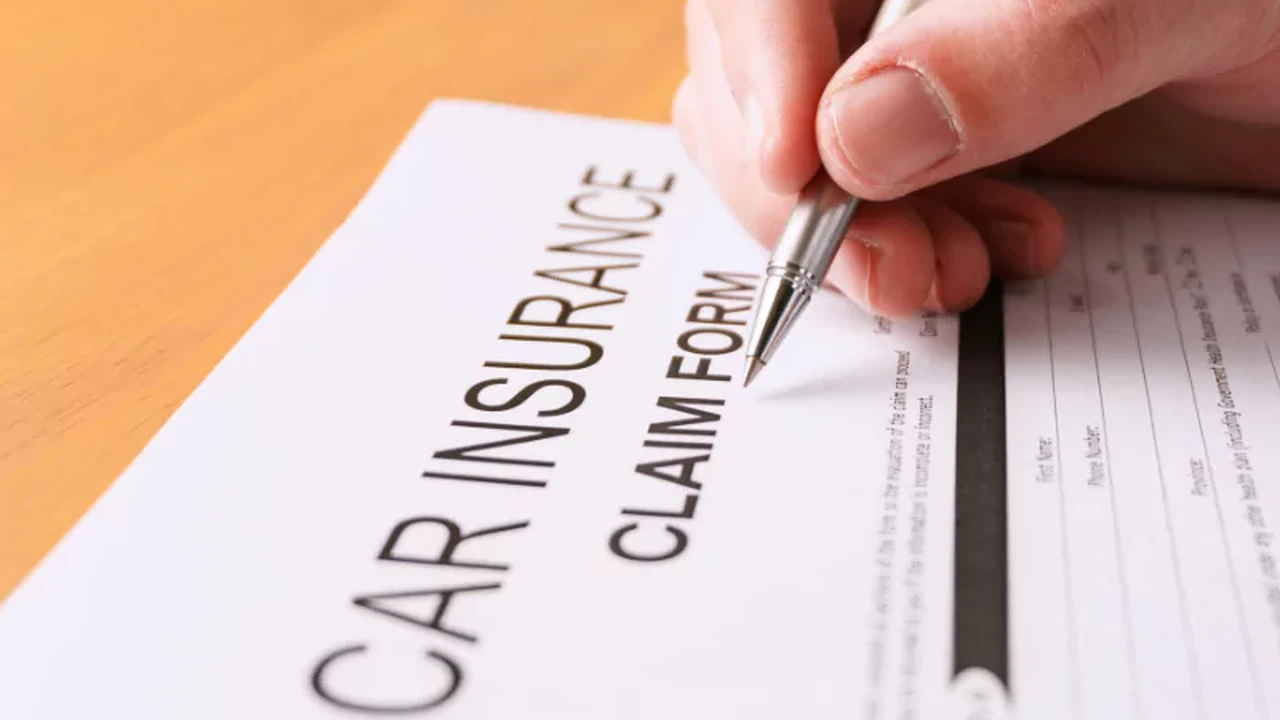
A step-by-step guide on how to file a car insurance claim efficiently after an accident.
How to File a Car Insurance Claim Effectively
Nobody ever wants to be in a car accident, but unfortunately, they happen. When they do, one of the most stressful parts can be dealing with the aftermath, especially filing a car insurance claim. It can feel overwhelming, confusing, and sometimes even a little intimidating. But don't worry, we're here to break it down for you. This guide will walk you through the entire process, from the moment an accident occurs to getting your vehicle repaired and back on the road. We'll cover everything you need to know to file your claim efficiently and maximize your chances of a smooth resolution. Think of this as your friendly, no-nonsense roadmap to navigating the world of car insurance claims.
Immediate Steps After a Car Accident Your First Priorities
Okay, so you've just been in an accident. Your heart might be racing, and you might feel a bit shaken up. That's completely normal. The first few minutes after a collision are crucial, and what you do then can significantly impact your insurance claim. Let's go through the immediate steps you should take, focusing on safety and gathering initial information.
Ensuring Safety and Assessing Injuries
Your absolute top priority is safety. First, check yourself and any passengers for injuries. Even minor aches or pains should be noted. If anyone is seriously injured, call emergency services (911 in the US, or your local emergency number in Southeast Asia) immediately. Move your vehicle to a safe location if possible and if it's safe to do so – for example, to the shoulder of the road. If your car is undrivable or moving it would put you in further danger, leave it where it is and turn on your hazard lights. Set up flares or reflective triangles if you have them, especially if it's dark or visibility is poor. Safety first, always!
Contacting Law Enforcement and Reporting the Accident
Even if the accident seems minor, it's almost always a good idea to call the police. In many states in the US and countries in Southeast Asia, a police report is required for insurance claims, especially if there's significant damage or injuries. The police report provides an official, unbiased account of the incident, which can be incredibly valuable for your insurance company. When the police arrive, cooperate fully, but stick to the facts. Don't admit fault, even if you think you might be partially to blame. Just describe what happened as accurately as you can.
Exchanging Information with Other Drivers and Witnesses
Once safety is secured and the police are on their way, you'll need to exchange information with any other drivers involved. This is a critical step for your insurance claim. Make sure to get:
- Full name and contact information (phone number, email address)
- Insurance company and policy number
- Driver's license number
- Vehicle make, model, year, and license plate number
If there are any witnesses, politely ask for their names and contact information as well. Their unbiased perspective can be very helpful if there's a dispute about what happened.
Documenting the Scene Photos and Videos are Your Best Friends
In today's world, your smartphone is your best friend after an accident. Take as many photos and videos as you can. Capture:
- Damage to all vehicles involved from multiple angles
- The position of the vehicles after the collision
- Skid marks on the road
- Road conditions (wet, icy, dry)
- Traffic signs or signals nearby
- Any debris on the road
- Close-ups of license plates
- Any visible injuries
The more visual evidence you have, the stronger your claim will be. These photos and videos can provide crucial context and support your version of events.
Notifying Your Insurance Company The First Official Step
After you've handled the immediate aftermath at the scene, the next crucial step is to notify your own insurance company. Don't delay this. Most policies require you to report an accident promptly, often within a few days. Even if you're not sure you'll file a claim, it's best to inform them.
When and How to Contact Your Insurer
Contact your insurance company as soon as possible after the accident, ideally within 24-48 hours. Many insurers have 24/7 claim hotlines or mobile apps that make reporting easy. When you call, have all the information you gathered at the scene ready: date, time, location of the accident, details of other drivers and vehicles, and any witness information. Be prepared to provide a factual account of what happened. Again, stick to the facts and avoid admitting fault.
Understanding Your Policy Coverage and Deductibles
Before or during your call, it's a good idea to review your insurance policy. Understand what kind of coverage you have (e.g., collision, comprehensive, liability, personal injury protection) and what your deductibles are. Your deductible is the amount you'll have to pay out of pocket before your insurance coverage kicks in. Knowing this upfront will help you understand your financial responsibility and what to expect.
What to Expect During the Initial Claim Report
When you report the claim, a representative will typically ask you a series of questions about the accident. They'll open a claim file and assign a claim number. Make sure to write down this claim number, as you'll need it for all future communications. They might also assign a claims adjuster at this point, or tell you when one will be assigned. This initial report is usually just to get the basic details down.
Working with the Claims Adjuster Your Advocate or Adversary
Once your claim is filed, a claims adjuster will be assigned to your case. This person is responsible for investigating the accident, determining fault, and assessing the damages. They play a pivotal role in how your claim progresses.
The Role of a Claims Adjuster in the Investigation Process
The claims adjuster will gather information from all parties involved, including you, the other driver(s), witnesses, and the police report. They'll review the photos and videos you provided, and they might even visit the accident scene. Their goal is to determine who was at fault and how much your insurance company is liable to pay. They'll also assess the damage to your vehicle and any injuries sustained.
Providing Necessary Documentation and Evidence
Be prepared to provide the adjuster with all the documentation you've collected: photos, videos, witness statements, police report number, and any medical records if you were injured. The more organized and thorough you are, the smoother the process will be. Keep copies of everything you submit.
Negotiating with the Adjuster Tips for a Fair Settlement
The adjuster will eventually make an offer for settlement. This might be for vehicle repairs, medical bills, or other damages. It's important to remember that their initial offer might not always be their best offer. If you feel the offer is too low, you can negotiate. Be polite but firm. Back up your negotiation with evidence, such as repair estimates from multiple shops, medical bills, or documentation of lost wages. Don't be afraid to ask questions and understand how they arrived at their offer. If you're having trouble, consider seeking legal advice, especially for significant injuries or complex claims.
Vehicle Repairs and Medical Treatment Getting Back on Track
Once liability is determined and a settlement is reached, the focus shifts to getting your vehicle repaired and ensuring you receive any necessary medical treatment.
Choosing a Repair Shop and Getting Estimates
Your insurance company might recommend a repair shop, but in most cases, you have the right to choose your own. Get at least two or three estimates from reputable repair shops. Compare these estimates carefully. Make sure they include all necessary repairs and parts. Share these estimates with your claims adjuster. Some insurance companies have preferred repair networks that offer guarantees on repairs, which can be a benefit.
Understanding the Repair Process and Payment
Once a repair shop is chosen and the estimate is approved by your insurance company, the repairs can begin. Stay in communication with the repair shop about the progress. Payment for repairs typically works in one of two ways: either the insurance company pays the shop directly (minus your deductible), or they send you a check, and you pay the shop. Your deductible will usually be paid directly to the repair shop when you pick up your vehicle.
Seeking Medical Attention and Documenting Injuries
If you sustained any injuries, no matter how minor they seem, seek medical attention promptly. Some injuries might not manifest immediately. Document all your medical appointments, treatments, medications, and any expenses incurred. Keep detailed records of how your injuries affect your daily life, work, and activities. This documentation is crucial for any personal injury claim.
Common Challenges and How to Overcome Them Navigating the Bumps
Filing a car insurance claim isn't always a smooth ride. You might encounter some challenges along the way. Knowing what these are and how to address them can save you a lot of headaches.
Dealing with Denied Claims or Lowball Offers
Sometimes, an insurance company might deny your claim or offer a settlement that seems unfairly low. If your claim is denied, ask for a clear explanation in writing. Review your policy again to ensure the denial is legitimate. If you believe it's unjust, you can appeal the decision. Provide additional evidence, such as witness statements, expert opinions, or more detailed repair estimates. For lowball offers, reiterate your position with strong evidence and be prepared to negotiate further. If all else fails, you might consider consulting with an attorney.
Handling Disputes Over Fault or Damage Assessment
Disputes over who was at fault or the extent of damage are common. This is where your detailed documentation (photos, videos, police report, witness statements) becomes invaluable. Present all your evidence clearly to the adjuster. If the dispute persists, your insurance company might suggest arbitration or mediation. In some cases, especially if the other party's insurance company is disputing fault, your own collision coverage might kick in, and your insurer will then pursue reimbursement from the other party's insurer (this is called subrogation).
When to Consider Legal Counsel for Complex Claims
While many claims can be handled directly with your insurance company, there are times when legal counsel is highly advisable. This is especially true if:
- You've suffered significant injuries.
- There's a dispute over who was at fault.
- The insurance company denies your claim or offers a very low settlement.
- The other driver is uninsured or underinsured.
- The accident involves multiple vehicles or complex circumstances.
An attorney specializing in personal injury or car accident claims can help you navigate the legal complexities, negotiate with insurance companies, and ensure you receive fair compensation.
Specific Product Recommendations for Claim Preparedness Your Toolkit
Being prepared before an accident even happens can make the claims process significantly easier. Here are a few products and services that can be incredibly helpful.
Dash Cams Essential for Accident Documentation
A dash cam is arguably one of the best investments you can make for accident preparedness. It provides irrefutable video evidence of what happened, which can be crucial in determining fault and speeding up your claim. Here are a few recommendations:
- VIOFO A129 Pro Duo: This is a popular choice for its excellent 4K front camera and 1080p rear camera, offering comprehensive coverage. It has good night vision and parking mode features. Typical Price: $200-$250 USD. Use Case: Ideal for drivers who want high-resolution footage of both front and rear views, especially useful for rideshare drivers or those frequently on busy roads.
- Garmin Dash Cam 67W: Known for its compact size, wide 180-degree field of view, and voice control. It also includes GPS for location data and incident detection. Typical Price: $180-$220 USD. Use Case: Great for drivers who prefer a discreet dash cam with smart features and reliable incident detection.
- BlackVue DR900X-2CH Plus: A premium option offering 4K front and Full HD rear recording, cloud connectivity, and advanced parking mode. It's a favorite for those who want remote access and robust security features. Typical Price: $400-$500 USD. Use Case: Best for drivers seeking top-tier security, remote monitoring, and seamless cloud integration, particularly useful for business vehicles or high-value cars.
Comparison: The VIOFO offers great value for dual-channel 4K. Garmin prioritizes compactness and ease of use with voice control. BlackVue is for the tech-savvy who want advanced features and cloud access, justifying its higher price point.
Accident Reporting Apps Streamlining Information Gathering
Several mobile apps can help you gather and organize information at the scene of an accident. These apps often provide checklists and templates to ensure you don't miss any critical details.
- WreckLog: A free app available on iOS and Android that guides you through collecting information, taking photos, and generating a detailed accident report. Use Case: Excellent for anyone who wants a structured approach to accident documentation, ensuring all necessary details are captured.
- Car Accident Report by Nolo: Another free app that helps you collect data, take photos, and create a comprehensive report. It also includes legal advice resources. Use Case: Good for those who want a user-friendly interface and access to legal information alongside their accident report.
- Your Insurer's Mobile App: Many major insurance companies (like Geico, Progressive, State Farm in the US, or local insurers in Southeast Asia) have their own apps that allow you to report claims directly, upload photos, and track your claim status. Use Case: Most convenient for existing policyholders, as it integrates directly with their insurance provider.
Comparison: WreckLog and Nolo's app are general-purpose tools, great for anyone. Your insurer's app offers direct integration, which can be a time-saver if you're already a customer.
First Aid Kits and Emergency Roadside Kits Prepared for Anything
While not directly related to filing a claim, having these kits can be crucial for your safety and well-being after an accident, which in turn helps you focus on the claim process.
- AAA 42-Piece Premium Roadside Emergency Kit: Includes jumper cables, a flashlight, basic tools, and a first aid kit. Typical Price: $40-$60 USD. Use Case: A comprehensive kit for general roadside emergencies, including minor injuries and vehicle breakdowns.
- First Aid Only All-Purpose First Aid Kit: A compact kit with essential medical supplies for treating minor cuts, scrapes, and burns. Typical Price: $15-$25 USD. Use Case: Essential for immediate treatment of minor injuries sustained in an accident, preventing them from worsening.
Comparison: The AAA kit is a broader emergency kit for both vehicle and personal needs. The First Aid Only kit is specifically for medical emergencies. Having both is ideal for comprehensive preparedness.
Final Thoughts on Efficient Claim Filing Your Peace of Mind
Filing a car insurance claim can be a daunting experience, but with the right knowledge and preparation, you can navigate it effectively. Remember to prioritize safety, gather as much information as possible at the scene, notify your insurer promptly, and be thorough in your documentation. Don't be afraid to ask questions, negotiate for a fair settlement, and seek legal advice if your claim becomes complex. By following these steps and utilizing the recommended tools, you'll be well-equipped to handle any accident and get back on the road with peace of mind.
:max_bytes(150000):strip_icc()/277019-baked-pork-chops-with-cream-of-mushroom-soup-DDMFS-beauty-4x3-BG-7505-5762b731cf30447d9cbbbbbf387beafa.jpg)