How to Lower Your Car Insurance Premiums
Practical tips and strategies to effectively reduce your car insurance premiums.
Practical tips and strategies to effectively reduce your car insurance premiums.
How to Lower Your Car Insurance Premiums
Car insurance is a necessary expense for every driver, but it doesn't have to break the bank. Many factors influence your car insurance premiums, and understanding them can empower you to make informed decisions that lead to significant savings. This comprehensive guide will walk you through various strategies, from simple adjustments to more substantial changes, all designed to help you effectively reduce your car insurance costs without compromising on essential coverage. Whether you're a new driver, looking to renew your policy, or simply want to cut down on monthly expenses, these tips are for you.
Understanding Car Insurance Premiums Key Factors and Influences
Before diving into how to lower your premiums, it's crucial to understand what drives them up in the first place. Car insurance companies assess risk, and your premium is a reflection of how likely they believe you are to file a claim. Several key factors come into play:
- Driving Record: This is perhaps the most significant factor. A clean driving record with no accidents or traffic violations will almost always result in lower premiums. Conversely, a history of claims, speeding tickets, or DUIs will significantly increase your rates.
- Vehicle Type: The make, model, year, and even color of your car can affect your premium. More expensive cars, sports cars, and vehicles with high theft rates typically cost more to insure. Safety features, however, can sometimes lead to discounts.
- Location: Where you live and park your car plays a big role. Urban areas with higher traffic density, crime rates, and accident statistics generally have higher premiums than rural areas.
- Age and Gender: Younger, less experienced drivers (especially males under 25) often face higher premiums due to statistical data indicating a higher risk of accidents. As drivers gain experience and mature, rates tend to decrease.
- Credit Score: In many states, insurance companies use your credit-based insurance score as a factor. A higher credit score often indicates financial responsibility, which insurers correlate with a lower likelihood of filing claims.
- Annual Mileage: The more you drive, the higher your risk of being in an accident. If you have a short commute or don't drive much, you might qualify for low-mileage discounts.
- Coverage Type and Deductibles: The amount and type of coverage you choose (e.g., liability, comprehensive, collision) directly impact your premium. Higher deductibles (the amount you pay out-of-pocket before insurance kicks in) generally lead to lower premiums.
- Marital Status: Married individuals often pay less for car insurance than single individuals, as statistics suggest they are less likely to be involved in accidents.
Smart Strategies for Reducing Your Car Insurance Costs
Now that you know what influences your rates, let's explore actionable strategies to bring those premiums down.
Shop Around and Compare Quotes Regularly
This is arguably the most effective way to save money on car insurance. Don't just stick with your current provider out of habit. Insurance companies use different algorithms to assess risk, and their rates can vary significantly for the same coverage. It's recommended to get quotes from at least three to five different insurers every six to twelve months, or whenever your policy is up for renewal. Online comparison tools make this process incredibly easy and efficient.
Product Recommendations:
- Online Comparison Websites: Websites like The Zebra, NerdWallet, and QuoteWizard allow you to input your information once and receive multiple quotes from various insurers. They are excellent for quickly comparing prices and coverage options.
- Direct Insurer Websites: Don't forget to check major insurers directly, such as Geico, Progressive, State Farm, Allstate, and Liberty Mutual. Sometimes, they offer exclusive online discounts.
- Independent Insurance Agents: An independent agent can shop around for you and often has access to policies from multiple companies, potentially finding you better deals than you might find on your own.
Usage Scenario: Imagine you're renewing your policy and your current insurer is quoting you $150/month. By spending 15-20 minutes on a comparison website, you might find a similar policy from another reputable insurer for $110/month, saving you $480 annually. It's a small investment of time for a significant return.
Increase Your Deductible Strategic Risk Management
Your deductible is the amount you agree to pay out-of-pocket before your insurance coverage kicks in after a claim. A higher deductible means you're taking on more of the initial financial risk, and in return, the insurance company charges you a lower premium. This strategy is particularly effective if you have a good emergency fund and are confident you can cover the higher deductible if an accident occurs.
Comparison:
- $500 Deductible: Lower out-of-pocket cost in case of a claim, but higher monthly premiums.
- $1000 Deductible: Higher out-of-pocket cost in case of a claim, but significantly lower monthly premiums.
- $2500 Deductible: Even higher out-of-pocket cost, but potentially the lowest monthly premiums.
Usage Scenario: If you currently have a $500 deductible and rarely file claims, consider raising it to $1,000 or even $2,500. This could reduce your annual premium by hundreds of dollars. Just make sure you have enough savings to cover that higher deductible if you ever need to use it.
Bundle Your Insurance Policies Multi Policy Discounts
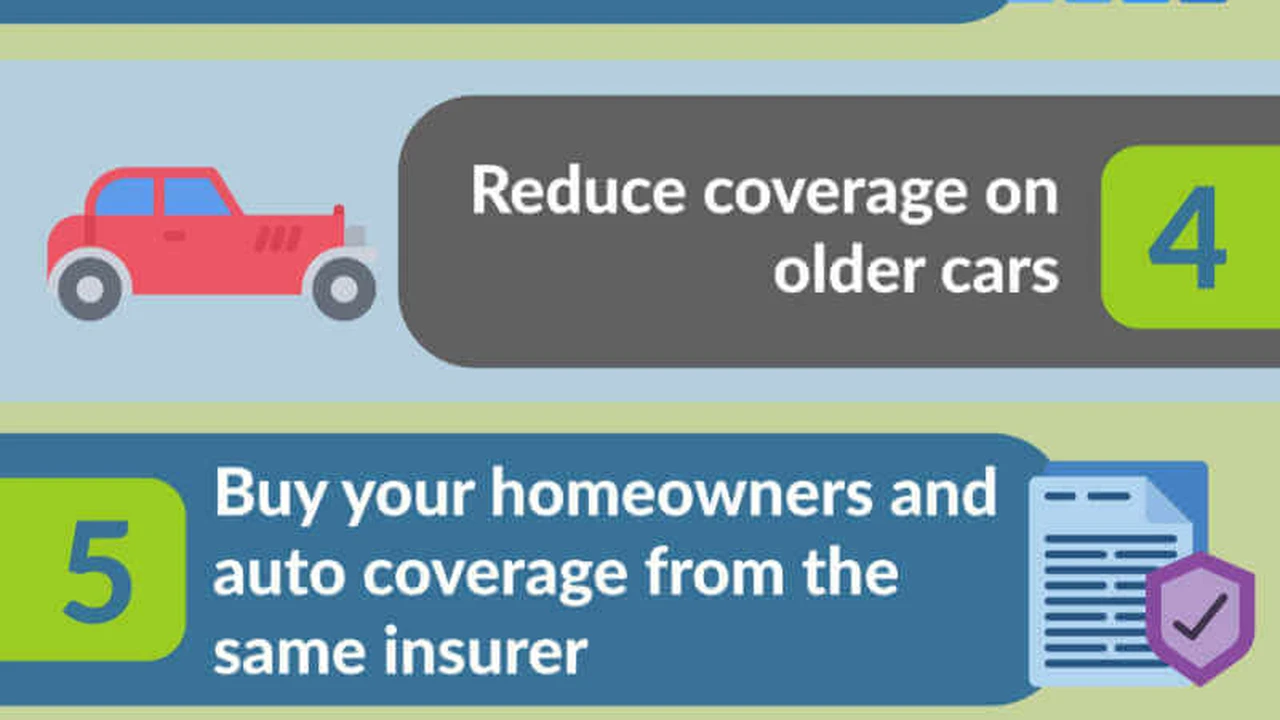
Many insurance companies offer discounts if you purchase multiple policies from them. This is often referred to as 'bundling.' The most common bundle is car insurance with home or renters insurance, but you might also be able to bundle with life insurance, motorcycle insurance, or even umbrella policies.
Product Recommendations:
- Most major insurers like State Farm, Allstate, Geico, Progressive, and Liberty Mutual offer significant multi-policy discounts.
Usage Scenario: If you have car insurance with one company and renters insurance with another, get a quote from your car insurance provider for bundling both. You might find that the combined cost is less than what you're currently paying for two separate policies. Savings can range from 5% to 25% on your total premium.
Maintain a Clean Driving Record Safe Driver Incentives
This might seem obvious, but a clean driving record is your best friend when it comes to low insurance premiums. Avoid speeding tickets, at-fault accidents, and other traffic violations. Insurers reward safe drivers with lower rates and often offer 'good driver' discounts after a certain period (e.g., three or five years) without incidents.
Tips for a Clean Record:
- Drive defensively and avoid distractions.
- Obey speed limits and traffic laws.
- Consider taking a defensive driving course (see next point).
Impact: A single at-fault accident or major traffic violation can increase your premiums by 20% to 50% or more for several years. Conversely, maintaining a clean record can lead to consistent savings.
Take a Defensive Driving Course Education Discounts
Many insurance companies offer discounts to drivers who voluntarily complete an approved defensive driving course. These courses teach you safe driving techniques and can refresh your knowledge of traffic laws. They are particularly beneficial for younger drivers or those who have recently received a traffic violation, as they can sometimes help reduce points on your license.
Product Recommendations:
- Look for state-approved online or in-person defensive driving courses. Providers like National Safety Council (NSC), AAA, and various local driving schools offer these courses.
Cost and Savings: A defensive driving course typically costs between $20 and $100, but the discount on your insurance premium can often offset this cost within the first year, leading to long-term savings.
Improve Your Credit Score Financial Responsibility Rewards
As mentioned earlier, your credit-based insurance score can significantly impact your premiums in many states. Insurers view a good credit score as an indicator of responsibility, which they correlate with a lower likelihood of filing claims. While improving your credit score takes time, it's a worthwhile endeavor for many financial reasons, including lower insurance rates.
Tips for Improving Credit Score:
- Pay bills on time.
- Keep credit utilization low.
- Avoid opening too many new credit accounts at once.
- Regularly check your credit report for errors.
Impact: Drivers with excellent credit scores can pay significantly less for car insurance than those with poor credit scores, sometimes hundreds of dollars less per year.
Ask About All Available Discounts Maximizing Savings
Insurance companies offer a wide array of discounts, and it's up to you to ask about them. Don't assume your insurer automatically applies every discount you qualify for. Here are some common discounts to inquire about:
- Good Student Discount: For high school or college students with a B average or higher.
- Multi-Car Discount: If you insure more than one vehicle with the same company.
- Low Mileage Discount: If you drive fewer miles than the average driver.
- Anti-Theft Device Discount: For vehicles equipped with alarms, tracking devices, or immobilizers.
- Safety Feature Discount: For cars with features like airbags, anti-lock brakes (ABS), electronic stability control (ESC), or advanced driver-assistance systems (ADAS).
- Loyalty Discount: For long-term customers.
- Payment Method Discount: For paying your premium in full, setting up automatic payments, or choosing paperless billing.
- Affinity Group Discount: For members of certain organizations, alumni associations, or employees of specific companies.
Usage Scenario: Call your insurance agent or customer service representative and specifically ask, 'What discounts am I eligible for that I'm not currently receiving?' You might be surprised by what you find.
Consider Usage Based Insurance Programs Telematics Benefits
Many insurers now offer telematics programs, also known as usage-based insurance (UBI). These programs involve installing a small device in your car or using a smartphone app to monitor your driving habits, such as mileage, speed, braking, and acceleration. If you demonstrate safe driving behavior, you can earn significant discounts on your premiums.
Product Recommendations:
- Snapshot by Progressive: A popular program that monitors driving habits for a short period to determine a personalized rate.
- Drive Safe & Save by State Farm: Uses a mobile app or an in-car device to track driving and offer discounts.
- RightTrack by Liberty Mutual: Similar to others, it uses a device or app to reward safe driving.
- SmartRide by Nationwide: Offers discounts based on driving behavior monitored by a device.
Comparison:
- Pros: Can lead to substantial discounts (up to 30% or more for very safe drivers), encourages safer driving, and provides personalized rates.
- Cons: Some drivers are uncomfortable with the privacy implications of having their driving monitored. If you have aggressive driving habits, your premium could potentially increase (though most programs only offer discounts, not penalties).
Usage Scenario: If you're a consistently safe driver and don't mind sharing your driving data, enrolling in a UBI program could be a great way to lower your premiums. It's particularly beneficial for low-mileage drivers.
Review Your Coverage Annually Adjusting to Life Changes
Your insurance needs change over time, and your policy should reflect that. What was appropriate coverage five years ago might not be necessary today. For example:
- Older Cars: For older vehicles with low market value, you might consider dropping comprehensive and collision coverage. If the cost of these coverages approaches or exceeds the car's actual cash value, it might not be worth paying for them.
- Life Events: Getting married, moving to a new neighborhood, changing jobs (especially if it reduces your commute), or having a child can all impact your insurance needs and eligibility for discounts.
Usage Scenario: If your car is 10 years old and only worth $3,000, and you're paying $500 a year for comprehensive and collision with a $500 deductible, you might be better off self-insuring for minor damage and saving that $500 annually. Always weigh the cost of coverage against the potential payout.
Improve Your Car's Security Anti Theft Measures
Cars that are less likely to be stolen or vandalized are cheaper to insure. Installing anti-theft devices can earn you discounts from your insurer. These can range from simple alarms to more sophisticated tracking systems.
Product Recommendations:
- Car Alarms: Basic alarms like Viper or Compustar can deter thieves.
- Immobilizers: Many modern cars come with factory-installed immobilizers that prevent the engine from starting without the correct key.
- GPS Tracking Systems: Services like LoJack or built-in telematics systems (e.g., OnStar) can help recover stolen vehicles, which insurers appreciate.
- Steering Wheel Locks: While old-school, devices like The Club can be a visual deterrent.
Cost and Savings: The cost of an aftermarket alarm system can range from $100 to $500, but the discount on your comprehensive coverage can be 5% to 15%, potentially paying for itself over a few years.
Pay Your Premium in Full Payment Discounts
Many insurance companies offer a discount if you pay your entire six-month or annual premium upfront, rather than in monthly installments. This saves them administrative costs, and they pass some of those savings on to you.
Usage Scenario: If you have the financial means, paying your premium in full can save you anywhere from 3% to 7% on your total cost. For a $1,200 annual premium, that's a saving of $36 to $84.
Maintain Good Credit Score for Better Rates
While mentioned earlier, it bears repeating due to its significant impact. A strong credit history demonstrates financial responsibility, which insurers often correlate with a lower likelihood of filing claims. Regularly checking your credit report for errors and working to improve your score can lead to substantial long-term savings on car insurance and other financial products.
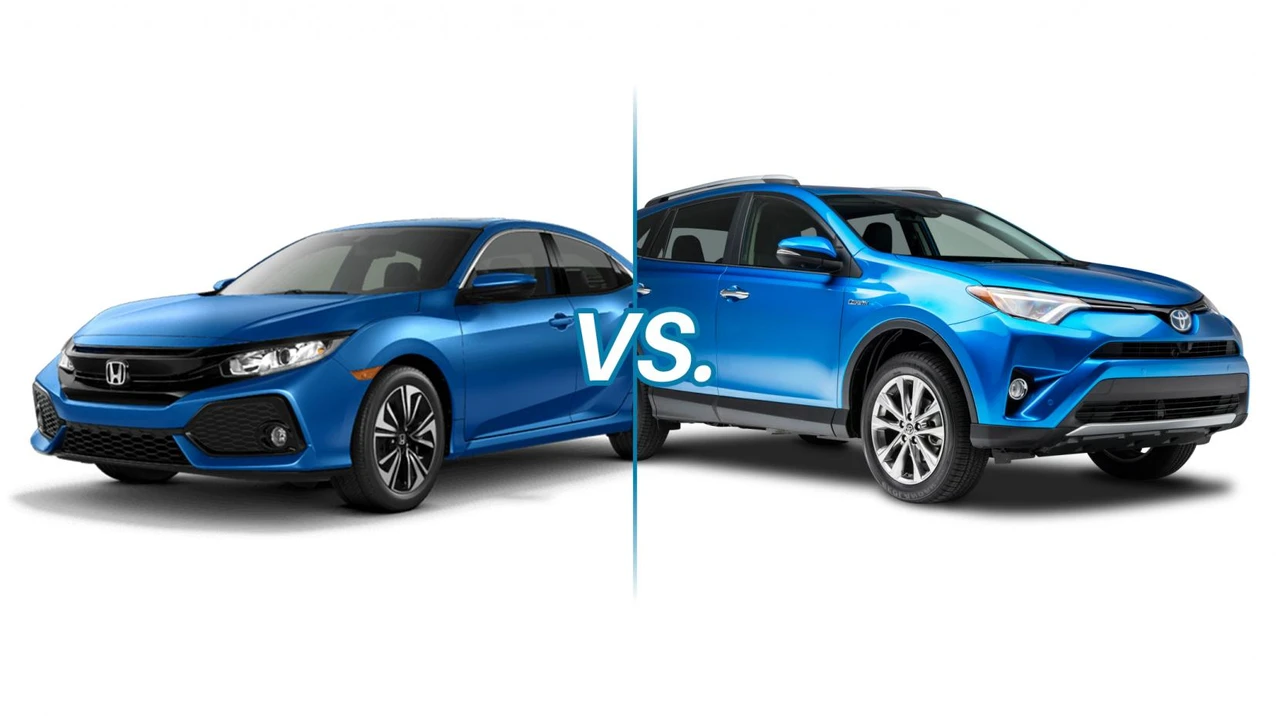
Consider the Car You Drive Vehicle Choice and Insurance Costs
When purchasing a new or used car, always consider how it will impact your insurance premiums. Some vehicles are inherently more expensive to insure than others. Factors include:
- Safety Ratings: Cars with higher safety ratings often qualify for lower premiums.
- Repair Costs: Vehicles with expensive parts or complex repairs will cost more to insure.
- Theft Rates: Models that are frequently stolen will have higher comprehensive coverage costs.
- Engine Size/Performance: Sports cars and high-performance vehicles typically have higher rates due to their higher risk of accidents and speed-related incidents.
Usage Scenario: Before buying a car, get insurance quotes for a few different models you're considering. You might find that choosing a slightly less powerful or more common model could save you hundreds of dollars a year on insurance.
Enroll in an Accident Forgiveness Program Peace of Mind
Some insurers offer accident forgiveness programs, which prevent your rates from increasing after your first at-fault accident. While this might add a small amount to your premium, it can save you a significant amount if you ever need to use it. It's often offered as a loyalty perk or an optional add-on.
Product Recommendations:
- Many major insurers like Geico, Progressive, Allstate, and Nationwide offer accident forgiveness, often with specific eligibility requirements (e.g., being a customer for a certain number of years, or having a clean driving record for a period).
Cost and Benefit: The cost of accident forgiveness is usually minimal, perhaps an extra $10-$30 per policy period. However, avoiding a 20-50% rate hike after an accident can save you hundreds or even thousands of dollars over the next few years.
Regularly Review and Adjust Your Policy Staying Current
Life changes, and so should your insurance policy. Don't just set it and forget it. Make it a habit to review your policy at least once a year, or whenever a significant life event occurs. Have you paid off your car loan? You might no longer need gap insurance. Have you moved to a safer neighborhood? Your rates might decrease. Have you installed new safety features? You might qualify for new discounts.
By actively managing your car insurance, staying informed about your options, and taking advantage of available discounts, you can significantly reduce your premiums without sacrificing the protection you need. It's all about being proactive and making smart choices for your financial well-being on the road.
:max_bytes(150000):strip_icc()/277019-baked-pork-chops-with-cream-of-mushroom-soup-DDMFS-beauty-4x3-BG-7505-5762b731cf30447d9cbbbbbf387beafa.jpg)