Impact of Driving Habits on Vehicle Wear and Tear
Analyze how different driving habits affect the wear and tear on your vehicle components.
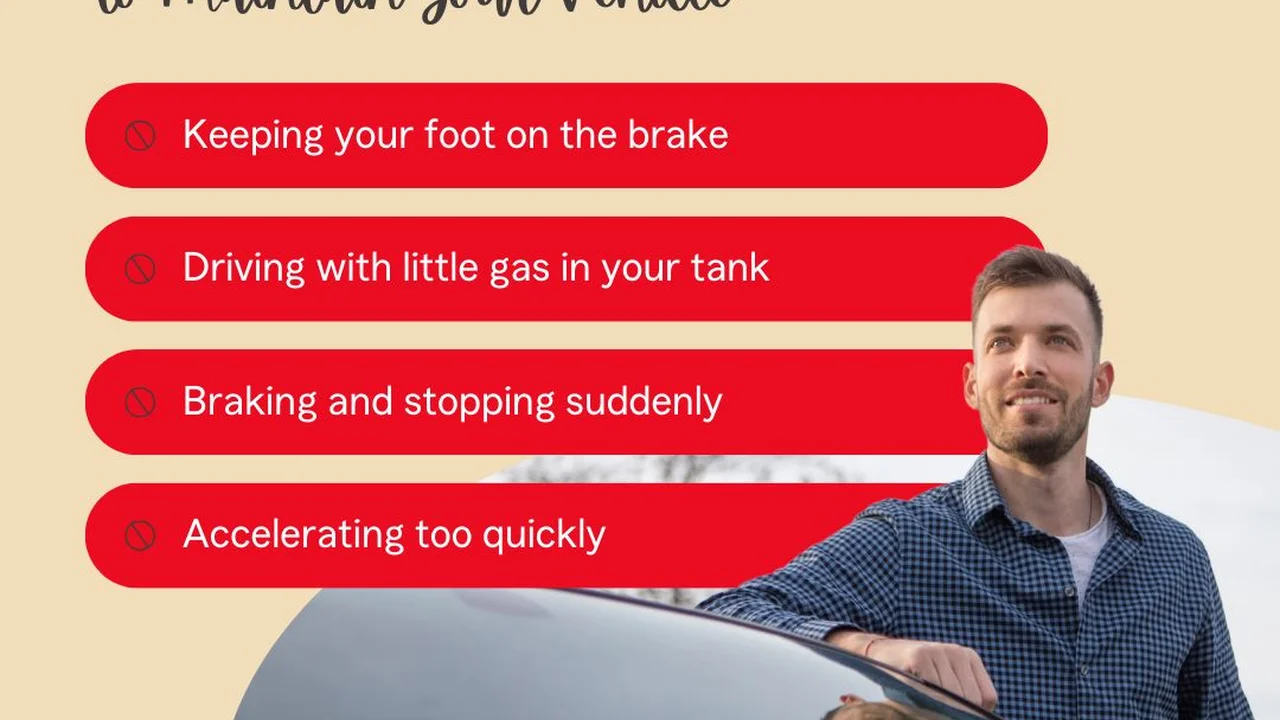
Analyze how different driving habits affect the wear and tear on your vehicle components.
Impact of Driving Habits on Vehicle Wear and Tear
Hey there, fellow drivers! Ever wonder why some cars seem to last forever while others are constantly in the shop? A huge part of that mystery boils down to something pretty simple: how we drive. Yep, your daily habits behind the wheel have a massive impact on the longevity and health of your vehicle. We're talking about everything from your engine and brakes to your tires and suspension. Let's dive deep into how your driving style can either be your car's best friend or its worst enemy, and what you can do to keep it running smoothly for years to come.
Understanding the Basics of Vehicle Wear and Tear: What Gets Affected Most?
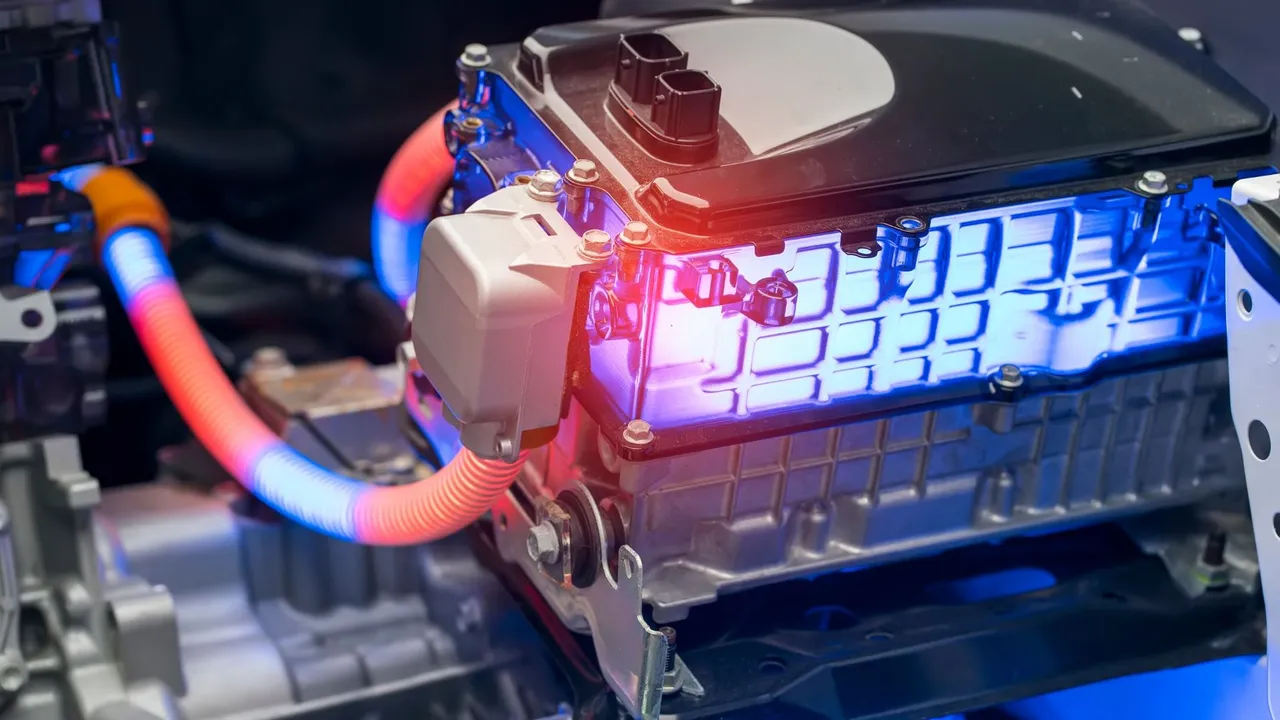
Before we get into the nitty-gritty of driving habits, let's quickly chat about what parts of your car are most susceptible to wear and tear. Think of your car as a complex machine with many moving parts, all designed to work in harmony. When one part is stressed, it can create a domino effect. Generally, the components that experience the most friction, heat, or direct impact are the first to show signs of wear. This includes your engine, transmission, brakes, tires, suspension system, and even the steering components. Each of these systems has a finite lifespan, but how you drive can drastically shorten or extend it.
Aggressive Driving vs. Smooth Driving: The Ultimate Showdown for Your Car's Health
This is probably the biggest differentiator. Aggressive driving isn't just about speeding; it encompasses rapid acceleration, hard braking, sharp turns, and generally treating the road like a race track. Smooth driving, on the other hand, is all about gentle inputs, anticipating traffic, and maintaining a steady pace. Let's break down the impact:
Engine and Transmission Longevity: How Your Acceleration Habits Matter
When you stomp on the accelerator, your engine works harder, consuming more fuel and generating more heat. This increased stress can lead to faster degradation of engine components like pistons, bearings, and seals. Similarly, your transmission takes a beating with aggressive acceleration and sudden shifts. Automatic transmissions might experience increased wear on clutch packs and bands, while manual transmissions suffer from premature clutch wear. Think about it: constantly redlining your engine or slamming through gears is like asking a marathon runner to sprint uphill all the time. They'll burn out faster.
Smooth Driving Tip: Accelerate gradually. Aim for a steady increase in speed rather than sudden bursts. This allows your engine and transmission to operate within their optimal ranges, reducing stress and extending their lifespan. Imagine a gentle push on the gas pedal, not a sudden kick.
Brake System Durability: The Cost of Hard Braking and Stop-and-Go Traffic
Hard braking is a major culprit for premature brake wear. When you slam on the brakes, immense friction is generated, causing brake pads to wear down quickly and rotors to warp or develop hot spots. This isn't just about replacing pads and rotors more often; it can also stress your brake calipers and even the brake fluid, leading to a spongy pedal feel or reduced braking performance. Stop-and-go city driving, while not always aggressive, also puts a lot of strain on your brakes due to frequent application.
Smooth Driving Tip: Practice anticipatory braking. Look ahead in traffic and gently ease off the accelerator, allowing your car to coast before applying the brakes smoothly. This not only saves your brakes but also improves fuel economy. Think about maintaining a safe following distance so you have more time to react.
Tire Life and Suspension Health: The Impact of Cornering and Road Conditions
Sharp turns taken at high speeds put immense lateral stress on your tires, leading to uneven and accelerated wear, especially on the outer edges. This also strains your suspension components like shock absorbers, struts, and ball joints. Hitting potholes or speed bumps at speed is another major no-no. These impacts can bend wheel rims, damage tires, and severely stress your suspension, leading to costly repairs and a less comfortable ride.
Smooth Driving Tip: Take corners at a reasonable speed and avoid sudden steering inputs. Be mindful of road conditions and slow down for potholes or rough patches. Treat your tires and suspension with respect, and they'll return the favor with a smoother ride and longer life.
Specific Driving Habits and Their Component-Specific Wear: A Deeper Dive
Let's get even more specific about how certain habits affect particular parts of your car.
Engine Oil and Filter Neglect: The Silent Killer of Engine Components
While not strictly a 'driving habit,' neglecting regular oil changes is a direct consequence of how you treat your car. Engine oil lubricates moving parts, dissipates heat, and cleans the engine. When oil breaks down or becomes contaminated, it loses its effectiveness, leading to increased friction, heat, and sludge buildup. This accelerates wear on everything from camshafts to crankshafts.
Recommendation: Stick to your manufacturer's recommended oil change intervals. For most modern cars, this is typically every 5,000 to 10,000 miles, but check your owner's manual. Consider using synthetic oil for better protection, especially if you do a lot of stop-and-go driving or live in extreme climates. Brands like Mobil 1 Extended Performance (around $25-35 for 5 quarts) or Castrol EDGE (around $25-35 for 5 quarts) are excellent choices for synthetic oils, offering superior wear protection and longer drain intervals. For oil filters, brands like Wix or Mann-Filter (around $8-15) are highly regarded for their filtration efficiency.
Overloading Your Vehicle: Stress on Suspension, Brakes, and Powertrain
Regularly carrying more weight than your car is designed for puts undue stress on almost every component. Your suspension sags, leading to reduced handling and faster wear on shocks and springs. Your brakes have to work much harder to stop the heavier load, accelerating pad and rotor wear. Even your engine and transmission are strained, as they need to generate more power to move the extra weight, leading to increased heat and wear.
Recommendation: Be mindful of your vehicle's Gross Vehicle Weight Rating (GVWR), usually found on a sticker inside the driver's door jamb. If you frequently need to carry heavy loads, consider a vehicle designed for it, like a truck or a larger SUV with a higher payload capacity. For occasional heavy loads, ensure your tires are properly inflated to handle the extra weight, as underinflated tires will overheat and wear out faster.
Ignoring Warning Lights: A Recipe for Catastrophe
Those little lights on your dashboard aren't just for decoration! Ignoring a check engine light, oil pressure warning, or brake warning light is like ignoring a doctor's diagnosis. A small issue can quickly escalate into a major, expensive repair if left unaddressed. For example, an illuminated check engine light could indicate a minor sensor issue, but if it's ignored, it could lead to catalytic converter damage or engine misfires, which are far more costly to fix.
Recommendation: When a warning light illuminates, consult your owner's manual immediately to understand its meaning. For check engine lights, consider getting an OBD-II scanner. Basic models like the Autel MaxiScan MS309 (around $20-30) or the FIXD OBD-II Scanner (around $60) can read diagnostic trouble codes (DTCs), giving you an idea of the problem before you even visit a mechanic. This empowers you to have a more informed conversation with your repair shop.
Driving on Underinflated or Overinflated Tires: A Tire Killer
Incorrect tire pressure is a silent killer of tire life and can also impact fuel economy and handling. Underinflated tires cause excessive heat buildup and wear on the outer edges, while overinflated tires lead to wear in the center of the tread. Both scenarios reduce the tire's contact patch with the road, compromising grip and increasing the risk of a blowout.
Recommendation: Check your tire pressure at least once a month, and always before long trips. The correct pressure is listed on a sticker inside your driver's door jamb, not on the tire sidewall. Invest in a good quality tire pressure gauge. Digital gauges like the AstroAI Digital Tire Pressure Gauge (around $10-15) are accurate and easy to read. For those who want to monitor on the go, a Tire Pressure Monitoring System (TPMS) like the Tymate TPMS (around $50-70) can provide real-time updates, especially useful for older vehicles without integrated TPMS.
Riding the Clutch (Manual Transmission): A Costly Habit
For those who drive manual cars, resting your foot on the clutch pedal or holding the clutch in at stoplights is a sure-fire way to prematurely wear out your clutch disc, pressure plate, and throw-out bearing. This constant friction generates heat and grinds away at the clutch material, leading to a slipping clutch and eventually, a costly replacement.
Recommendation: When not actively shifting, keep your foot off the clutch pedal. At stoplights, shift into neutral and release the clutch. This simple habit can add tens of thousands of miles to your clutch's lifespan.
Ignoring Fluid Leaks: Small Drips Can Lead to Big Problems
A small puddle under your car might seem insignificant, but it could be a sign of a developing problem. Leaking engine oil, transmission fluid, coolant, or brake fluid can lead to catastrophic failures if left unaddressed. Low fluid levels mean reduced lubrication, cooling, or hydraulic pressure, all critical for your car's operation.
Recommendation: Periodically check under your car for any signs of leaks. If you spot one, identify the fluid (color and smell can help) and have it inspected by a mechanic. Early detection can prevent minor leaks from becoming major system failures.
Environmental Factors and Driving Conditions: Beyond Your Control, But Still Manageable
While your driving habits are a huge factor, it's also worth acknowledging that environmental conditions play a role. Extreme temperatures, dusty roads, salty coastal air, and even mountainous terrain can accelerate wear and tear. However, your driving habits can mitigate some of these effects.
Hot Climates and Engine Overheating: The Strain of High Temperatures
Driving in consistently hot climates puts extra strain on your cooling system. If your engine is already working hard due to aggressive driving, the risk of overheating increases significantly. This can lead to head gasket failure, warped cylinder heads, and other severe engine damage.
Recommendation: Ensure your cooling system is in top shape. Regularly check coolant levels and condition. If you live in a hot climate, consider using a coolant designed for high temperatures. Avoid aggressive driving during peak heat hours. If your temperature gauge starts to climb, pull over safely and let the engine cool down.
Cold Climates and Component Stress: The Impact of Freezing Temperatures
Conversely, extremely cold temperatures can also be harsh on your vehicle. Engine oil thickens, making it harder for the engine to start and increasing wear during the initial moments of operation. Batteries lose efficiency, and rubber components like hoses and belts become brittle and more prone to cracking.
Recommendation: Allow your engine to warm up for a minute or two before driving in very cold weather, but don't idle excessively. Use engine oil with a lower 'W' (winter) viscosity rating, as recommended by your manufacturer. Ensure your battery is in good condition, and consider a block heater if you live in an extremely cold region. Brands like Battery Tender Junior (around $30-40) are great for maintaining battery health during cold snaps or periods of inactivity.
Dusty Roads and Air Filter Clogging: Protecting Your Engine's Lungs
If you frequently drive on unpaved or dusty roads, your engine's air filter will clog much faster. A clogged air filter restricts airflow to the engine, leading to reduced performance, decreased fuel economy, and potentially allowing abrasive particles to enter the engine, causing internal wear.
Recommendation: Check and replace your air filter more frequently than recommended if you drive in dusty conditions. A clean air filter is crucial for engine health. Brands like K&N (around $50-80 for a reusable filter) or FRAM Extra Guard (around $10-20 for a disposable filter) are popular choices. K&N filters, while more expensive upfront, are washable and reusable, offering long-term value.
The Long-Term Benefits of Mindful Driving: Saving Money and Stress
Adopting smooth, mindful driving habits isn't just about being a 'good driver'; it's about being a smart car owner. The benefits are tangible and significant:
- Reduced Maintenance Costs: Fewer trips to the mechanic for premature wear means more money in your pocket.
- Improved Fuel Economy: Smooth acceleration and braking use less fuel, saving you money at the pump.
- Extended Vehicle Lifespan: Your car will simply last longer, delaying the need for a new vehicle purchase.
- Enhanced Safety: Mindful driving reduces the risk of accidents, protecting you and your passengers.
- Better Resale Value: A well-maintained car with less wear and tear will fetch a higher price when it's time to sell.
- More Comfortable Ride: Smooth driving is inherently more comfortable for everyone in the car.
Practical Tools and Habits for Extending Your Vehicle's Life: Smart Choices for Smart Drivers
Beyond just driving smoothly, there are some practical tools and habits you can adopt to further extend your vehicle's life and mitigate wear and tear.
Regular Vehicle Inspections: Catching Problems Early
Don't wait for a warning light or a strange noise. Periodically inspect your vehicle yourself or have a trusted mechanic do it. Look for signs of leaks, worn tires, frayed belts, or unusual noises. Early detection is key to preventing minor issues from becoming major headaches.
Recommendation: Consider a basic toolkit for home inspections. A good flashlight, a set of wrenches, and a jack stand can be invaluable. For more detailed diagnostics, a digital multimeter like the Fluke 115 (around $150-200) can help test electrical components, though this is more for advanced DIYers. For general checks, a simple visual inspection of fluid levels, tire condition, and belt tension goes a long way.
Proper Tire Rotation and Alignment: Even Wear for Longer Life
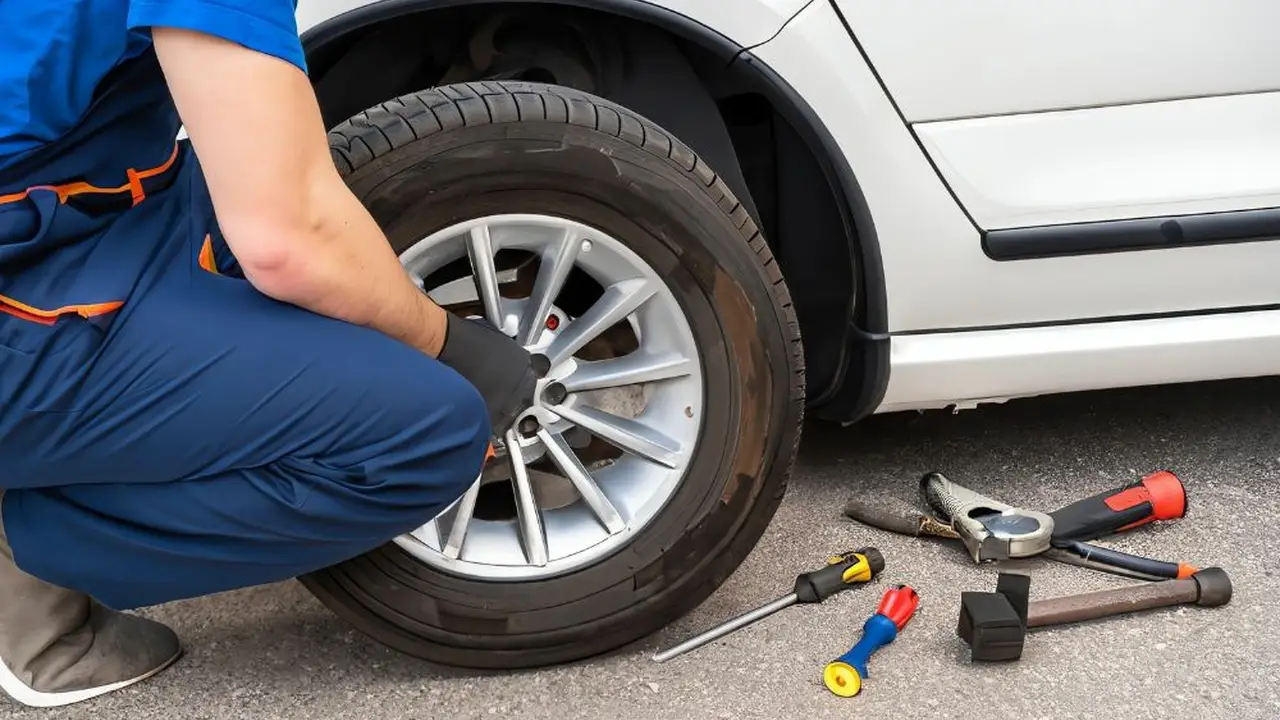
Tire rotation ensures that all four tires wear evenly, maximizing their lifespan. Wheel alignment, on the other hand, ensures that your wheels are properly angled, preventing uneven tire wear and improving handling. Neglecting these can lead to premature tire replacement and increased fuel consumption.
Recommendation: Rotate your tires every 5,000 to 7,500 miles, or as recommended by your tire manufacturer. Have your wheel alignment checked annually or if you notice uneven tire wear or your car pulling to one side. Many tire shops offer these services, often bundled with tire purchases.
Using Quality Parts and Fluids: You Get What You Pay For
When it comes to replacement parts and fluids, don't always opt for the cheapest option. Quality parts are designed to meet or exceed OEM (Original Equipment Manufacturer) specifications, offering better durability and performance. Using the correct type of fluid (e.g., specific transmission fluid or coolant) is also crucial for component longevity.
Recommendation: For critical components like brakes, filters, and belts, consider reputable aftermarket brands like Bosch, ACDelco, Denso, or Gates. For fluids, always refer to your owner's manual for the exact specifications. Using the wrong type of transmission fluid, for example, can quickly lead to transmission failure. Brands like Valvoline, Pennzoil, and Castrol offer a wide range of high-quality automotive fluids.
Regular Car Washes and Detailing: Protecting the Exterior and Interior
While not directly related to mechanical wear, keeping your car clean protects its exterior and interior from premature aging. Road salt, bird droppings, tree sap, and UV rays can damage paint, leading to rust and fading. A clean interior prevents wear on upholstery and plastics.
Recommendation: Wash your car regularly, especially if you live in an area with road salt or harsh environmental conditions. Consider applying a wax or sealant like Meguiar's Ultimate Liquid Wax (around $20-30) for paint protection. For interior care, products like Chemical Guys Total Interior Cleaner & Protectant (around $15-20) can keep surfaces clean and protected from UV damage.
So, there you have it! Your driving habits are more than just a reflection of your personality on the road; they're a direct determinant of your car's health and your wallet's well-being. By adopting a smoother, more mindful approach to driving and combining it with regular maintenance and smart choices, you can significantly extend the life of your vehicle, save money on repairs, and enjoy a safer, more comfortable ride for many years to come. Happy driving!
:max_bytes(150000):strip_icc()/277019-baked-pork-chops-with-cream-of-mushroom-soup-DDMFS-beauty-4x3-BG-7505-5762b731cf30447d9cbbbbbf387beafa.jpg)