The 6 Most Important Fluids in Your Car
Understand the six critical fluids in your car and their maintenance requirements.
Understand the six critical fluids in your car and their maintenance requirements.
The 6 Most Important Fluids in Your Car
Hey there, fellow car enthusiasts and everyday drivers! Ever wondered what keeps your beloved vehicle purring like a kitten or roaring like a lion? It's not just the engine and the wheels; it's a complex symphony of parts working together, lubricated and cooled by a handful of essential fluids. Think of these fluids as the lifeblood of your car. Neglect them, and you're asking for trouble – expensive trouble, usually. But keep them topped up and in good condition, and your car will reward you with reliability and longevity. Let's dive into the six most important fluids in your car, why they matter, how to check them, and what to look for.
Engine Oil The Lifeblood of Your Engine
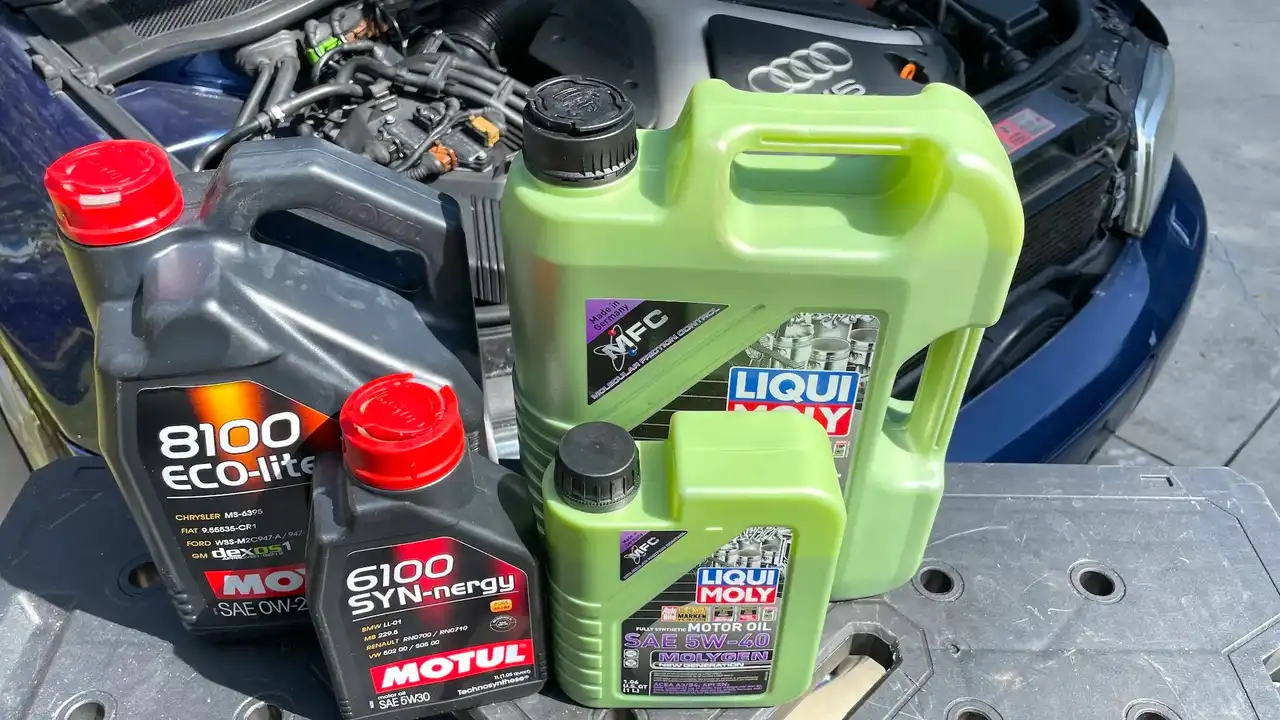
First up, the undisputed king of car fluids: engine oil. This isn't just some greasy liquid; it's a sophisticated blend designed to lubricate moving parts, reduce friction, cool the engine by carrying away heat, clean internal components by suspending dirt and sludge, and protect against corrosion. Without proper engine oil, your engine would seize up faster than you can say 'mechanic's bill'.
Why Engine Oil is Crucial for Engine Health and Performance
Imagine hundreds of metal parts grinding against each other at high speeds. That's what your engine would be doing without oil. The oil creates a thin film between these parts, preventing direct metal-on-metal contact. This not only reduces wear and tear but also minimizes heat generation, which is a major enemy of engine longevity. Furthermore, engine oil contains detergents and dispersants that clean the engine, preventing harmful deposits from building up. It also helps seal the piston rings, maintaining compression and power.
How to Check Engine Oil Levels and Quality
Checking your engine oil is one of the simplest yet most vital maintenance tasks you can perform. It usually involves a dipstick, a clean rag, and about five minutes of your time. Make sure your car is on level ground and the engine has been off for a few minutes (check your owner's manual for specific instructions, as some cars prefer a warm engine check). Pull out the dipstick, wipe it clean, reinsert it fully, then pull it out again. The oil level should be between the 'min' and 'max' marks. If it's low, add the recommended type of oil. But it's not just about the level; the color and consistency matter too. New oil is typically amber or light brown. As it ages, it darkens due to contaminants. If it's black and gritty, it's definitely time for an oil change. If it looks milky, you might have a more serious issue like a coolant leak into the oil.
Recommended Engine Oil Types and Change Intervals
The type of engine oil your car needs is specified in your owner's manual. It will typically be a certain viscosity (e.g., 5W-30, 0W-20) and meet specific industry standards (e.g., API, ACEA). There are conventional, synthetic blend, and full synthetic oils. Full synthetic oils generally offer superior protection and performance, especially in extreme temperatures, and allow for longer oil change intervals. While the old rule of thumb was every 3,000 miles, many modern cars with synthetic oil can go 7,500 to 10,000 miles or even more between changes. Always follow your manufacturer's recommendations. For example, if you drive a newer Honda Civic, it likely requires 0W-20 full synthetic oil, and the car's maintenance minder system will tell you when it's time for a change, often around 7,500-10,000 miles. For an older Ford F-150, 5W-30 conventional or synthetic blend might be recommended with shorter intervals.
Coolant Antifreeze Keeping Your Engine Temperature Stable
Next up, coolant, often referred to as antifreeze. This fluid is responsible for regulating your engine's temperature. It prevents the engine from overheating in hot weather and freezing in cold weather. Without it, your engine would quickly overheat, leading to catastrophic damage.
The Role of Coolant in Preventing Overheating and Freezing
Coolant circulates through the engine block, absorbing heat, and then travels to the radiator, where the heat is dissipated into the air. It's a continuous cycle that keeps your engine operating within its optimal temperature range. The 'antifreeze' component is crucial in colder climates, as it lowers the freezing point of the fluid, preventing it from turning to ice and cracking engine components. Conversely, it also raises the boiling point, preventing boil-overs in hot conditions.
How to Inspect Coolant Levels and Condition
You can usually check your coolant level by looking at the translucent overflow reservoir, typically located near the radiator. The level should be between the 'min' and 'max' lines when the engine is cool. Never open the radiator cap when the engine is hot, as pressurized hot fluid can spray out and cause severe burns. The color of the coolant is also important. It comes in various colors (green, orange, pink, blue), depending on the type and manufacturer. If it looks rusty, murky, or has particles floating in it, it's time for a flush and refill. If the level is consistently low, you might have a leak, which needs immediate attention.
Different Types of Coolant and Their Compatibility
There are several types of coolant, and mixing incompatible types can lead to corrosion and damage to your cooling system. The most common types are Inorganic Acid Technology (IAT), Organic Acid Technology (OAT), and Hybrid Organic Acid Technology (HOAT). IAT coolants are typically green and used in older vehicles. OAT coolants are often orange or pink and have a longer lifespan. HOAT coolants combine elements of both and are often yellow or blue. Always use the type specified in your owner's manual. For instance, a Toyota might require a specific 'Toyota Super Long Life Coolant' (often pink), while a Ford might use a 'Motorcraft Orange' coolant. Using the wrong type can lead to premature wear of water pumps, gaskets, and hoses.
Brake Fluid Ensuring Safe Stopping Power
When you press the brake pedal, you expect your car to stop. That seemingly simple action relies entirely on brake fluid. This hydraulic fluid transmits the force from your foot to the brake calipers or wheel cylinders, engaging the brake pads or shoes.
The Critical Role of Brake Fluid in Your Braking System
Brake fluid is non-compressible, meaning it efficiently transfers pressure. When you push the pedal, the master cylinder pushes brake fluid through lines to the brakes at each wheel. This pressure forces the brake pads against the rotors (or shoes against drums), creating friction and slowing the vehicle. If your brake fluid is low or contaminated, your braking power will be compromised, leading to a spongy pedal or, worse, brake failure.
How to Check Brake Fluid Levels and Contamination
The brake fluid reservoir is usually a small, translucent plastic container located on top of the master cylinder, often near the driver's side of the engine bay. The fluid level should be between the 'min' and 'max' lines. If it's low, it could indicate worn brake pads (as the calipers extend, they draw more fluid) or a leak. Brake fluid is also hygroscopic, meaning it absorbs moisture from the air over time. This moisture can lower the fluid's boiling point, leading to 'brake fade' during heavy braking, and can also cause internal corrosion in the brake lines and components. New brake fluid is typically clear or light amber. If it looks dark brown or black, it's likely contaminated with moisture and debris and needs to be flushed and replaced. Some mechanics use a brake fluid tester to check the moisture content.
Recommended Brake Fluid Specifications and Replacement
Brake fluids are classified by DOT ratings (DOT 3, DOT 4, DOT 5, DOT 5.1), which indicate their dry and wet boiling points. Most modern cars use DOT 3 or DOT 4. DOT 4 has a higher boiling point than DOT 3 and is often recommended for vehicles with ABS or electronic stability control. DOT 5 is silicone-based and not compatible with DOT 3 or DOT 4 systems. DOT 5.1 is glycol-based like DOT 3 and 4 but has even higher boiling points. Always use the type specified by your car's manufacturer. Brake fluid should typically be flushed and replaced every two to three years, regardless of mileage, due to its hygroscopic nature. For example, a Subaru Outback might specify DOT 3 or DOT 4, and a flush every 30,000 miles or 2 years. A high-performance sports car like a Porsche 911 might require DOT 4 or 5.1 and more frequent changes due to the extreme heat generated during aggressive driving.
Power Steering Fluid Assisting Your Steering Effort
Unless you drive a car with electric power steering, your vehicle relies on power steering fluid to make turning the wheel a breeze. This hydraulic fluid transmits pressure within the power steering system, amplifying your steering input.
The Function of Power Steering Fluid in Steering Systems
The power steering pump, driven by the engine, pressurizes the power steering fluid. When you turn the steering wheel, this pressurized fluid assists the steering rack or gearbox, making it much easier to turn the wheels. Without it, steering would feel heavy and require significant effort, especially at low speeds or when parking.
How to Check Power Steering Fluid Levels and Quality
The power steering fluid reservoir is usually a small plastic container with a cap, often labeled 'Power Steering'. It might have a dipstick attached to the cap or markings on the side of the reservoir. Check the level when the engine is warm and running (or as specified in your owner's manual). The fluid should be clear, reddish, or light brown. If it's dark, foamy, or smells burnt, it's time for a change. A low level could indicate a leak in the system, which is a common issue in older vehicles.
When to Replace Power Steering Fluid
Unlike engine oil or brake fluid, power steering fluid doesn't have a universally recommended replacement interval. Some manufacturers consider it a 'lifetime' fluid, while others recommend changing it every 50,000 to 100,000 miles or every few years. However, if you notice a whining noise when turning the wheel, difficulty steering, or if the fluid looks dirty, a flush and refill can often resolve these issues. Using the correct type of fluid is also crucial; some systems use automatic transmission fluid (ATF), while others require specific power steering fluid. Always consult your owner's manual. For instance, many older GM vehicles use Dexron-III ATF for power steering, while a Honda might require a specific Honda Power Steering Fluid.
Transmission Fluid Ensuring Smooth Gear Changes
Whether your car has an automatic or manual transmission, it relies on transmission fluid to operate smoothly and efficiently. This fluid lubricates, cools, and cleans the transmission's internal components, and in automatic transmissions, it also acts as a hydraulic fluid to enable gear changes.
The Importance of Transmission Fluid for Gearbox Longevity
In an automatic transmission, the fluid is a critical component of the hydraulic system that engages and disengages gears. It also lubricates the gears, bearings, and clutches, and dissipates heat generated by friction. In a manual transmission, the fluid (often gear oil) primarily lubricates the gears and synchronizers. Without proper transmission fluid, gears can grind, clutches can slip, and the transmission can overheat, leading to costly repairs or complete failure.
How to Check Transmission Fluid Levels and Condition
Checking automatic transmission fluid (ATF) can be a bit tricky, as the procedure varies significantly between manufacturers. Many cars have a dipstick, usually yellow or red, located near the back of the engine bay. The engine typically needs to be warm and running, and the car in park or neutral (check your manual!). The fluid should be bright red and translucent. If it's dark brown or black, smells burnt, or has metal particles in it, it's a sign of serious wear and tear, and an immediate fluid change (or inspection) is needed. Some modern cars have sealed transmissions with no dipstick, requiring a professional to check the level. Manual transmission fluid is usually checked by removing a fill plug on the side of the transmission, and the fluid level should be up to the bottom of the fill hole.
Recommended Transmission Fluid Types and Service Intervals
Just like engine oil, transmission fluid comes in many types, and using the wrong one can cause severe damage. Automatic transmission fluids are highly specialized, with different formulations for different manufacturers (e.g., Dexron for GM, Mercon for Ford, ATF+4 for Chrysler, various specific fluids for Japanese and European cars). Manual transmissions typically use gear oil, often with a GL-4 or GL-5 rating and a specific viscosity (e.g., 75W-90). Service intervals also vary widely. Some manufacturers claim 'lifetime' fluid for automatic transmissions, but most experts recommend changing it every 60,000 to 100,000 miles, especially if you do a lot of towing or heavy-duty driving. Manual transmission fluid generally has longer intervals, often 100,000 miles or more. Always refer to your owner's manual for the exact fluid type and service schedule. For example, a Toyota Camry with an automatic transmission might require Toyota WS ATF, with a recommended inspection at 60,000 miles and replacement if conditions are severe. A Ford F-250 towing heavy loads might need Mercon LV ATF changed more frequently.
Windshield Washer Fluid For Clear Visibility
While not as critical for your car's mechanical operation as the other fluids, windshield washer fluid is absolutely essential for safety, especially in adverse weather conditions. It keeps your windshield clean, ensuring clear visibility.
The Importance of Clear Visibility for Driving Safety
Imagine driving in a sudden downpour or behind a truck spraying road grime, and your washer fluid reservoir is empty. Your visibility would quickly drop to zero, putting you and others at serious risk. Windshield washer fluid, combined with your wipers, quickly clears away dirt, bugs, bird droppings, and road spray, maintaining a clear view of the road ahead.
How to Check and Refill Windshield Washer Fluid
This is by far the easiest fluid to check and refill. The reservoir is usually a plastic container with a blue or black cap, often located near the front of the engine bay. It's typically translucent, so you can see the fluid level. Simply pop the cap and pour in more fluid if it's low. There's no 'max' line to worry about; just fill it up. It's a good habit to top it off every time you get gas or perform other routine checks.
Types of Windshield Washer Fluid and Seasonal Considerations
While most washer fluids are blue, there are different formulations. Basic washer fluid is fine for most conditions. However, in colder climates, you'll want to use a winter-specific formula that contains antifreeze agents to prevent it from freezing in the reservoir or on the windshield. Some premium fluids also contain bug-removing agents or water repellents for enhanced cleaning. You can find these at any auto parts store or even most supermarkets. For example, Prestone De-Icer Windshield Washer Fluid is excellent for winter, while Rain-X 2-in-1 Windshield Washer Fluid offers water-beading technology for better visibility in rain. Prices typically range from $3 to $10 per gallon, depending on the brand and features.
Differential Fluid or Gear Oil For Rear Wheel Drive and AWD Vehicles
If your car is rear-wheel drive (RWD), four-wheel drive (4WD), or all-wheel drive (AWD), it has a differential (or multiple differentials) that requires its own special fluid, often called differential fluid or gear oil. Front-wheel drive (FWD) cars typically integrate the differential into the transaxle, sharing fluid with the transmission.
The Role of Differential Fluid in Power Distribution
The differential allows your wheels to spin at different speeds when turning, which is crucial for smooth cornering. Without it, your wheels would drag and skip. Differential fluid lubricates the gears within the differential, reducing friction and heat, and protecting against wear. In 4WD and AWD vehicles, transfer cases also require similar gear oil to distribute power between the front and rear axles.
How to Check Differential Fluid Levels and Condition
Checking differential fluid is usually a job best left to a mechanic, as it often involves getting under the car and removing a fill plug. The fluid level should be up to the bottom of the fill hole. Like manual transmission fluid, it's typically a thick, viscous gear oil. If it looks dark, milky, or has a burnt smell, it's time for a change. Milky fluid can indicate water contamination, which is particularly damaging.
Recommended Differential Fluid Types and Service Intervals
Differential fluids are typically gear oils with GL-5 ratings and specific viscosities (e.g., 75W-90, 80W-90). Some differentials, especially those with limited-slip capabilities, require special additives or 'limited-slip' specific gear oil. Service intervals vary but are often around 30,000 to 60,000 miles, especially for vehicles that tow or are used off-road. Always consult your owner's manual for the correct fluid type and schedule. For example, a Jeep Wrangler might require a specific 75W-140 synthetic gear oil for its differentials, with more frequent changes if used for heavy off-roading. A Ford F-150 with a limited-slip differential might need a friction modifier additive along with its gear oil.
So there you have it – the six essential fluids that keep your car running smoothly and safely. Regular checks and timely maintenance of these fluids are paramount to your vehicle's health and your peace of mind on the road. Don't wait for a warning light or a strange noise; make fluid checks a regular part of your car care routine. Your car (and your wallet) will thank you for it!
:max_bytes(150000):strip_icc()/277019-baked-pork-chops-with-cream-of-mushroom-soup-DDMFS-beauty-4x3-BG-7505-5762b731cf30447d9cbbbbbf387beafa.jpg)