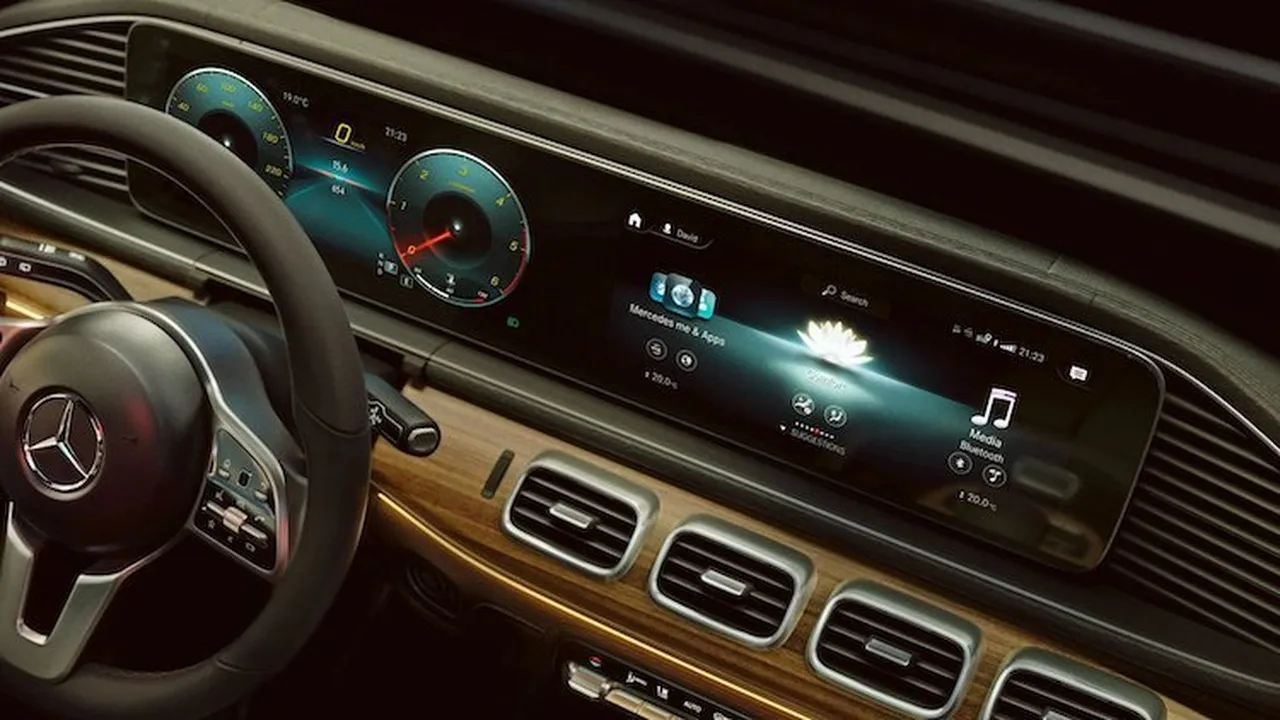
Understanding Your Car's Warning Lights
An explanation of common car dashboard warning lights and what they indicate.
An explanation of common car dashboard warning lights and what they indicate.
Understanding Your Cars Warning Lights
Hey there, fellow drivers! Ever been cruising along, minding your own business, when suddenly a mysterious light pops up on your dashboard? It’s like your car is trying to tell you something, but in a secret language of symbols and colors. Don't panic! Those warning lights are actually your car's way of communicating vital information, from minor alerts to serious issues that need immediate attention. Understanding what each one means can save you a lot of headaches, potential breakdowns, and even costly repairs down the line. Let's dive into the world of dashboard warning lights and decode their messages, focusing on what's common in both the US and Southeast Asian markets.
The Traffic Light System Decoding Warning Light Colors
Think of your dashboard lights like a traffic light. The color of the warning light is your first clue about how urgent the situation is:
- Green or Blue Lights: These are usually informational. They tell you a system is active, like your high beams are on, or cruise control is engaged. Nothing to worry about here!
- Yellow or Amber Lights: These are caution lights. They indicate something needs attention soon, but it's not usually an immediate emergency. You should investigate the issue when you can, but you can often continue driving for a short period.
- Red Lights: These are serious warnings. A red light means there's a potentially dangerous problem that requires immediate attention. Pull over safely as soon as possible and address the issue. Continuing to drive with a red warning light on can lead to significant damage or even an accident.
Common Yellow Amber Warning Lights What to Do
Let's start with the yellow/amber lights, as these are the ones you'll probably encounter most often and can sometimes be a bit ambiguous. Knowing what they mean can help you decide if you need to head straight to the mechanic or if it's something you can monitor.
Check Engine Light Malfunction Indicator Lamp MIL
This is probably the most famous (or infamous) warning light. It looks like an engine outline. When this light comes on, it means your car's onboard diagnostic (OBD-II) system has detected a problem with the engine, emissions system, or transmission. It could be something as simple as a loose gas cap (yes, really!) or as serious as a failing catalytic converter. In the US, a solid check engine light often means you should get it checked soon, while a flashing light indicates a more severe misfire that could damage the catalytic converter – pull over immediately if it's flashing!
What to do: If it's solid, check your gas cap first. If that doesn't fix it, or if it's flashing, get your car scanned by a mechanic as soon as possible. Many auto parts stores in the US (like AutoZone or O'Reilly Auto Parts) offer free OBD-II code scanning. In Southeast Asia, you'll likely need to visit a workshop.
Tire Pressure Monitoring System TPMS Light
This light looks like a flat tire with an exclamation mark inside. It means one or more of your tires has significantly low air pressure. This is a common issue, especially with fluctuating temperatures. Low tire pressure can affect handling, fuel economy, and tire wear, and can even lead to a blowout.
What to do: Check all your tire pressures with a reliable gauge and inflate them to the recommended PSI (usually found on a sticker inside your driver's side door jamb or in your owner's manual). If the light stays on after inflation, you might have a slow leak or a faulty TPMS sensor. For a quick and reliable tire pressure gauge, consider the AstroAI Digital Tire Pressure Gauge (around $10-15 USD on Amazon or Lazada/Shopee in SEA) for its accuracy and ease of use. For a more robust option, the Michelin MN-12279 Digital Programmable Tire Gauge (around $20-30 USD) offers programmable settings for multiple vehicles.
ABS Anti-lock Braking System Light
This light usually says 'ABS' or shows a circle with 'ABS' inside. It indicates a problem with your anti-lock braking system. While your regular brakes will still work, the ABS feature (which prevents your wheels from locking up during hard braking) might not. This is particularly important in wet or slippery conditions.
What to do: Get it checked by a mechanic. While your car is still drivable, your braking performance might be compromised in emergency situations.
Traction Control Stability Control Light
This light often looks like a car skidding or the letters 'TCS' or 'ESP'. It means there's an issue with your traction control or electronic stability control system, or that the system has been manually turned off. These systems help prevent wheel spin and maintain control during slippery conditions or sharp turns.
What to do: If it's flashing, it means the system is actively working to prevent a skid. If it's solid, it indicates a malfunction. Try turning the system off and on again (there's usually a button for this). If it stays on, have it inspected. Driving without these systems can be risky in adverse weather.
Low Fuel Light
This one's pretty straightforward – it looks like a gas pump. It means your fuel level is low and you should refuel soon. Don't push your luck; running out of gas can damage your fuel pump.
What to do: Find the nearest gas station!
Low Washer Fluid Light
This light looks like a windshield with water spraying on it. It simply means your windshield washer fluid reservoir is low. Not a critical issue, but important for visibility.
What to do: Refill your washer fluid. You can pick up a bottle of Rain-X 2-in-1 Windshield Washer Fluid (around $5-10 USD) for excellent cleaning and water repellency, widely available in both regions.
Critical Red Warning Lights Act Immediately
These are the lights that demand your immediate attention. When you see a red light, it's usually best to pull over safely and turn off your engine as soon as possible. Ignoring these can lead to serious damage or safety hazards.
Oil Pressure Warning Light
This light looks like an old-fashioned oil can. This is a critical warning! It means your engine has low oil pressure, which can lead to severe engine damage if not addressed immediately. Low oil pressure can be caused by low oil level, a faulty oil pump, or a leak.
What to do: Pull over safely and turn off your engine immediately. Check your oil level. If it's low, add oil. If the light stays on after adding oil, or if the oil level is fine, do not drive the car. Have it towed to a mechanic. For checking oil levels, a simple dipstick is usually sufficient, but always keep a quart of the correct engine oil in your trunk. For example, Castrol GTX High Mileage 5W-30 (around $20-30 USD for a 5-quart jug) is a popular choice for many vehicles in both the US and SEA.
Battery Charging System Warning Light
This light looks like a car battery. It indicates a problem with your car's charging system, meaning your battery isn't being recharged by the alternator. This could be a faulty alternator, a loose or broken serpentine belt, or a problem with the battery itself. Your car will run on battery power until it dies, which won't be long.
What to do: Pull over safely and turn off your engine. You might be able to drive a very short distance to a safe spot, but prolonged driving will drain the battery completely, leaving you stranded. Get it towed to a mechanic. If you suspect a battery issue, a portable jump starter like the NOCO Boost Plus GB40 (around $100-150 USD) can be a lifesaver, especially in remote areas of Southeast Asia. For battery testing, the FOXWELL BT100 12V Battery Tester (around $30-50 USD) is a good option for DIYers.
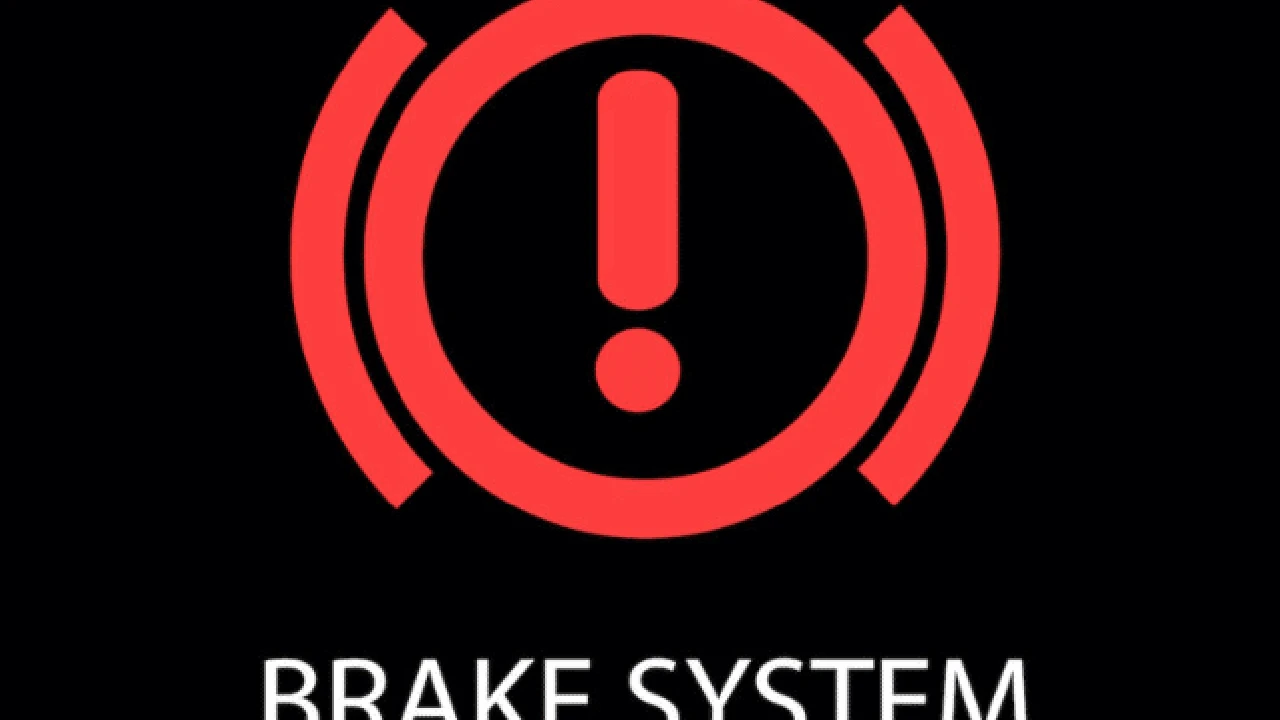
Brake System Warning Light
This light usually says 'BRAKE' or shows an exclamation mark inside a circle. This is another critical one! It can mean several things: your parking brake is engaged (check this first!), low brake fluid, or a serious problem with your braking system. Low brake fluid can indicate a leak or worn brake pads.
What to do: First, check if your parking brake is engaged. If it's not, pull over safely and do not drive the car. Check your brake fluid level (usually a clear reservoir under the hood). If it's low, you might have a leak. Have the car towed to a mechanic immediately. Driving with compromised brakes is extremely dangerous. For brake fluid, Prestone DOT 3 or DOT 4 Brake Fluid (around $5-10 USD) is widely available and suitable for most vehicles.
Coolant Temperature Warning Light
This light looks like a thermometer submerged in liquid. It means your engine is overheating. This can lead to severe engine damage, including a blown head gasket, if not addressed quickly.
What to do: Pull over safely and turn off your engine immediately. Do NOT open the radiator cap when the engine is hot, as pressurized hot coolant can cause severe burns. Let the engine cool down completely. Check the coolant level in the overflow reservoir (not the radiator itself). If it's low, you can add a 50/50 mix of coolant and distilled water. If the light comes back on, or if the coolant level is fine, have it towed to a mechanic. A good quality coolant like Prestone Extended Life Antifreeze/Coolant (around $15-25 USD per gallon) is a smart choice for topping up.
Airbag SRS Supplemental Restraint System Warning Light
This light usually looks like a person with a seatbelt and an airbag deployed, or the letters 'SRS'. It means there's a fault with your airbag system. In the event of a collision, your airbags might not deploy, or they might deploy unexpectedly, which is a serious safety concern.
What to do: Get it checked by a mechanic as soon as possible. While your car is drivable, your safety features are compromised.
Other Important Warning Lights What They Mean
Beyond the common yellow and red lights, there are a few others that are good to know about, as they can indicate issues that, while not immediately critical, can become problematic if ignored.
Power Steering Warning Light
This light often looks like a steering wheel with an exclamation mark next to it. It indicates a problem with your power steering system. If it's an electric power steering system, you might lose power assist, making steering very difficult. If it's a hydraulic system, it could mean low power steering fluid or a pump issue.
What to do: If you lose power steering, it will be much harder to steer, especially at low speeds. Get it checked by a mechanic. For hydraulic systems, check the power steering fluid level. Prestone Power Steering Fluid (around $5-10 USD) is a common option.
Door Ajar Light
This light looks like a car with one or more doors open. It simply means one of your doors (or the trunk/hood) isn't fully closed. This is a safety hazard, as a door could swing open while driving.
What to do: Check all doors, the trunk, and the hood to ensure they are securely latched.
Seatbelt Reminder Light
This light looks like a person with a seatbelt on. It reminds you or your passengers to buckle up. It's usually accompanied by an audible chime.
What to do: Buckle up! It's the law and it saves lives.
High Beam Indicator Light
This light is usually blue and looks like a headlight with straight lines coming out. It simply indicates that your high beam headlights are on.
What to do: Turn off your high beams when approaching oncoming traffic or when following another vehicle closely.
Cruise Control Indicator Light
This light is usually green and often says 'CRUISE' or shows a speedometer with an arrow. It indicates that your cruise control system is active.
What to do: No action needed, just an informational light.
What to Do When a Warning Light Comes On A Step by Step Guide
So, a light just popped up. What's your game plan?
- Don't Panic: Take a deep breath. Most lights aren't an immediate catastrophe.
- Identify the Light: Look at your owner's manual (keep it in your glove box!) to identify the specific light and its meaning. If you don't have the physical manual, many manufacturers offer digital versions online.
- Note the Color: Red means stop and investigate immediately. Yellow/amber means caution, investigate soon. Green/blue are informational.
- Assess the Situation: Are there any other symptoms? Strange noises, smells, smoke, changes in driving performance?
- Take Action:
- Red Light: Safely pull over, turn off the engine, and consult your manual. If it's a critical system (oil, brake, coolant, battery), do not drive. Call for roadside assistance or a tow truck.
- Yellow/Amber Light: If there are no other immediate symptoms, you can usually drive to a safe location or home. Schedule an appointment with your mechanic soon. For some lights (like TPMS), you might be able to address it yourself.
- Green/Blue Light: These are usually just indicators. No action needed unless you didn't intend for that system to be on (e.g., high beams).
- Get it Checked: Even if a light goes off on its own, it's a good idea to have it checked. Intermittent problems can become serious ones.
Preventative Maintenance Avoiding Warning Lights
The best way to deal with warning lights is to prevent them from coming on in the first place! Regular maintenance is key. Here are a few tips:
- Follow Your Service Schedule: Adhere to your car manufacturer's recommended maintenance schedule for oil changes, fluid checks, and inspections.
- Check Fluid Levels Regularly: Make it a habit to check your engine oil, coolant, brake fluid, and power steering fluid (if applicable) every few weeks.
- Maintain Proper Tire Pressure: Check your tire pressure monthly, or before long trips.
- Listen to Your Car: Pay attention to any unusual noises, smells, or changes in how your car drives.
- Don't Ignore Small Issues: A small leak or a strange sound can escalate into a major problem if ignored.
DIY Diagnostic Tools for the Savvy Driver
For those who like to be a bit more hands-on, especially with check engine lights, an OBD-II scanner can be a great investment. These devices plug into a port under your dashboard and can read the diagnostic trouble codes (DTCs) that trigger the check engine light. This gives you a better idea of the problem before you even get to a mechanic.
Recommended OBD-II Scanners for US and SEA Markets
- Basic Level: FOXWELL NT301 OBD2 Scanner (around $50-70 USD). This is a fantastic entry-level scanner that reads and clears check engine codes, views freeze frame data, and checks I/M readiness (important for emissions testing in the US). It's user-friendly and compatible with most vehicles made after 1996. Widely available on Amazon, Lazada, and Shopee.
- Mid-Range: ANCEL AD310 Classic Enhanced OBD II Scanner (around $30-40 USD). A more budget-friendly option that still offers core OBD-II functions like reading/clearing codes and live data. Great for basic diagnostics.
- Bluetooth Option: Veepeak OBDCheck BLE+ Bluetooth OBD2 Scanner (around $30-45 USD). This scanner connects to your smartphone via Bluetooth, allowing you to use various OBD-II apps (like Torque Pro for Android or Car Scanner ELM OBD2 for iOS). This offers a more visual and feature-rich experience, including live data graphing and custom dashboards. Make sure to check app compatibility with your phone.
How to use an OBD-II scanner:
- Locate your car's OBD-II port (usually under the dashboard on the driver's side).
- Plug in the scanner.
- Turn your car's ignition to the 'ON' position (engine off).
- Follow the scanner's instructions to read codes.
- Note down the codes (e.g., P0420, P0301) and research them online to understand the potential issue.
The Bottom Line on Dashboard Lights
Your car's dashboard warning lights are there to help you. They're like a built-in health monitor for your vehicle. By understanding what they mean and reacting appropriately, you can prevent minor issues from becoming major headaches, ensure your safety on the road, and potentially save a lot of money on repairs. So, next time a light illuminates, you'll be ready to decode its message and take the right steps!
:max_bytes(150000):strip_icc()/277019-baked-pork-chops-with-cream-of-mushroom-soup-DDMFS-beauty-4x3-BG-7505-5762b731cf30447d9cbbbbbf387beafa.jpg)