Best Practices for Winter Car Preparation
Essential tips and best practices for preparing your car for harsh winter conditions.
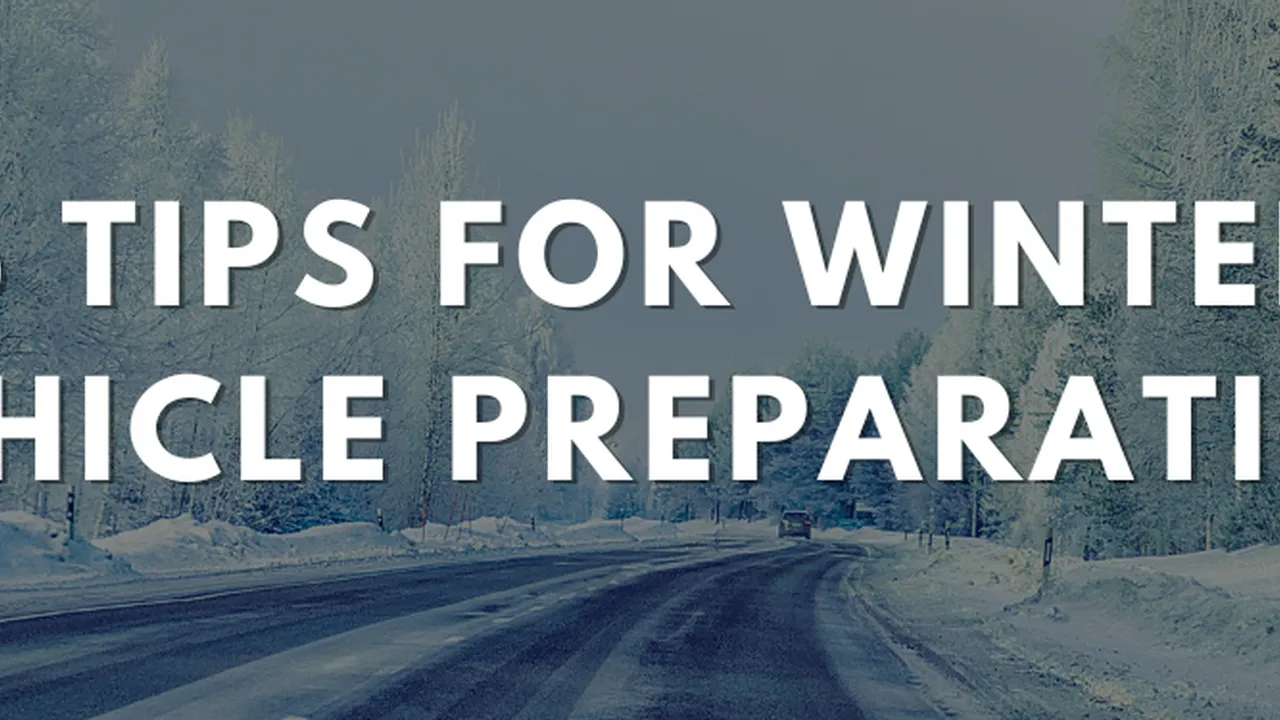
Essential tips and best practices for preparing your car for harsh winter conditions.
Best Practices for Winter Car Preparation
Why Winter Car Preparation is Crucial for Safety and Longevity
As the days grow shorter and the temperatures drop, winter brings a unique set of challenges for drivers, especially in regions experiencing severe cold, snow, and ice. Preparing your car for winter isn't just about comfort; it's a critical step for ensuring your safety, the safety of your passengers, and the longevity of your vehicle. Neglecting winter car preparation can lead to unexpected breakdowns, dangerous driving conditions, and costly repairs. From reduced traction on icy roads to the strain cold weather puts on your engine and battery, every component of your car is affected. This comprehensive guide will walk you through the essential checks and maintenance tasks to get your vehicle winter-ready, focusing on practical advice for both US and Southeast Asian drivers who might encounter different types of 'winter' conditions, from cold snaps to heavy monsoon rains that mimic winter driving challenges.
Tires The Foundation of Winter Driving Safety and Performance
Your tires are the only part of your car that touches the road, making them paramount for winter safety. Proper tire selection and maintenance can dramatically improve traction, handling, and braking performance in adverse conditions.
Winter Tires vs All Season Tires Understanding the Differences
For drivers in areas with consistent snow and ice, dedicated winter tires are a game-changer. They feature a softer rubber compound that remains flexible in cold temperatures (below 7°C or 45°F) and a unique tread pattern with thousands of tiny slits (sipes) that bite into snow and ice. All-season tires, while versatile, compromise performance in extreme conditions. They harden in the cold, reducing grip, and their tread patterns are not designed for deep snow or ice. If you live in a region with true winter, investing in a set of winter tires is highly recommended.
Tire Pressure Monitoring Maintaining Optimal Inflation for Grip
Cold weather causes air to contract, meaning your tire pressure will drop as temperatures fall. Underinflated tires can lead to poor handling, reduced fuel efficiency, and increased wear. Check your tire pressure at least once a month, or more frequently during significant temperature drops, using a reliable gauge. Refer to your car's owner's manual or the sticker on the driver's side door jamb for the recommended PSI. Don't forget to check the spare tire too!
Tread Depth Inspection Ensuring Sufficient Traction for Snow and Rain
Adequate tread depth is crucial for evacuating water and slush from beneath the tire, preventing hydroplaning, and providing grip in snow. The legal minimum tread depth in many places is 2/32 of an inch, but for winter driving, experts recommend at least 4/32 of an inch. You can use a quarter to check: if the top of Washington's head is visible, your tread is too shallow for winter. Consider replacing tires if they are close to this limit.
Recommended Winter Tire Products and Usage Scenarios
- Michelin X-Ice Snow: Excellent for severe winter conditions, offering superior grip on ice and snow. Ideal for drivers in snowy US states like Colorado or Minnesota.
- Bridgestone Blizzak WS90: Known for its exceptional ice performance and long-lasting tread. A great choice for urban and highway driving in cold climates.
- Nokian Hakkapeliitta R3: A premium non-studded winter tire, offering a balance of grip, comfort, and fuel efficiency. Perfect for those seeking top-tier performance without studs.
- Goodyear WinterCommand: A more budget-friendly option that still delivers reliable performance in snow and slush. Good for drivers who experience moderate winter conditions.
Usage Scenario: If you live in a mountainous region or an area that consistently receives heavy snowfall, investing in studded winter tires (where legal) or highly aggressive non-studded winter tires like the Nokian Hakkapeliitta series will provide the best safety margin. For drivers in less extreme but still cold climates, a good set of non-studded winter tires like the Michelin X-Ice Snow or Bridgestone Blizzak WS90 will suffice. For Southeast Asian drivers facing heavy monsoon rains, consider high-quality all-season tires with excellent wet traction ratings, as dedicated winter tires are unnecessary.
Battery Health The Heart of Your Car in Cold Weather
Cold weather significantly impacts your car's battery. A battery that performs perfectly fine in warm weather might struggle or fail to start your car when temperatures drop.
Battery Testing and Replacement Proactive Measures for Reliable Starts
Have your battery tested by a mechanic before winter sets in. They can check its charge and overall health. A battery typically lasts 3-5 years, and its efficiency decreases with age. If your battery is older than three years and shows signs of weakness (slow cranking, dimming lights), consider replacing it proactively to avoid being stranded.
Battery Terminal Cleaning Preventing Corrosion and Ensuring Connection
Corrosion on battery terminals can impede the flow of electricity, making it harder for your car to start. Clean any white or bluish-green powdery buildup from the terminals using a wire brush and a mixture of baking soda and water. Ensure connections are tight.
Recommended Battery Products and Usage Scenarios
- Optima YellowTop: A deep-cycle and starting battery, excellent for vehicles with many accessories or those that sit for extended periods. Known for its robust performance in extreme temperatures. (Approx. $200-$300)
- DieHard Platinum AGM: Offers superior starting power and reserve capacity, ideal for modern vehicles with high electrical demands. (Approx. $200-$280)
- EverStart Maxx Lead-Acid Battery: A reliable and more affordable option for standard vehicles, widely available. (Approx. $120-$180)
Usage Scenario: For drivers in extremely cold climates, an AGM (Absorbent Glass Mat) battery like the Optima YellowTop or DieHard Platinum AGM is highly recommended due to their superior cold-cranking amps (CCA) and resistance to vibration. For most other drivers, a high-quality lead-acid battery with a good CCA rating for your vehicle's size will be sufficient. Always match the battery to your car's specifications.
Fluids and Lubricants Essential for Engine and System Protection
Just like your body, your car's fluids need to be in top condition to handle the cold. They lubricate, cool, and protect vital components.
Engine Oil Selection Choosing the Right Viscosity for Cold Starts
Engine oil thickens in cold temperatures, making it harder for your engine to start and causing increased wear. Check your owner's manual for the recommended oil viscosity for winter driving. Many modern vehicles use multi-viscosity oils (e.g., 5W-30), where the 'W' stands for winter, indicating its performance in cold weather. Synthetic oils generally perform better in extreme cold than conventional oils.
Antifreeze Coolant Levels Ensuring Engine Protection from Freezing
Your coolant (antifreeze) prevents your engine from freezing in cold weather and overheating in warm weather. Check the coolant level and its concentration. A 50/50 mix of antifreeze and distilled water is typically recommended for optimal protection. If the concentration is off, or the fluid looks murky, have it flushed and refilled.
Windshield Wiper Fluid Using Winter-Specific Formulas for Clear Vision
Regular windshield wiper fluid can freeze in cold temperatures, rendering it useless. Switch to a winter-specific or de-icing wiper fluid that contains antifreeze agents. This will help keep your windshield clear of frost, ice, and road salt spray.
Brake Fluid and Power Steering Fluid Checking Levels and Condition
While less directly affected by cold than engine oil or coolant, it's still wise to check your brake fluid and power steering fluid levels. Low levels can indicate a leak or worn components, which can be exacerbated by cold weather stress.
Recommended Fluid Products and Usage Scenarios
- Mobil 1 Synthetic Motor Oil (e.g., 0W-20, 5W-30): Excellent cold-start protection and overall engine performance. Ideal for all vehicles, especially those in very cold climates. (Approx. $25-$40 for 5 quarts)
- Prestone Antifreeze/Coolant: A widely available and reliable choice for engine protection. Ensure it's compatible with your vehicle's specific requirements (e.g., universal or specific color). (Approx. $15-$25 per gallon)
- Rain-X De-Icer Windshield Washer Fluid: Formulated to melt light ice and frost, and prevent refreezing. Essential for clear visibility in winter. (Approx. $5-$8 per gallon)
Usage Scenario: For drivers in regions with consistently sub-zero temperatures, a 0W-XX synthetic motor oil is highly beneficial for easier cold starts and reduced engine wear. Always use a coolant that meets your vehicle manufacturer's specifications. For Southeast Asian drivers, while freezing isn't an issue, ensuring all fluids are at optimal levels and in good condition is still crucial for overall vehicle health, especially during heavy rain seasons where visibility is key.
Visibility and Lighting Ensuring You See and Are Seen
Winter often brings reduced daylight hours, fog, snow, and rain, making good visibility paramount. Ensure your lighting and visibility systems are in top shape.
Headlights and Taillights Cleaning and Checking for Proper Function
Clean your headlights and taillights regularly, as road grime and salt can significantly reduce their effectiveness. Check that all lights are working, including high beams, fog lights, and turn signals. Replace any burnt-out bulbs immediately. Consider restoring hazy headlight lenses for improved light output.
Windshield Wipers and Defrosters Clear Vision in Inclement Weather
Worn wiper blades can leave streaks, reducing visibility. Replace them if they chatter, skip, or don't clear the windshield effectively. Consider winter-specific wiper blades that are more robust and less prone to freezing. Test your front and rear defrosters to ensure they clear your windows quickly and efficiently.
Side Mirrors and Rearview Camera Maintaining Clarity for Awareness
Ensure your side mirrors are clean and properly adjusted. If your vehicle has heated mirrors, verify they are working. Regularly clean your rearview camera lens, as it can quickly become obscured by snow, salt, or mud.
Recommended Visibility Products and Usage Scenarios
- Bosch ICON Wiper Blades: Premium beam blades known for their all-weather performance and durability, excellent for clearing snow and ice. (Approx. $20-$30 per blade)
- Sylvania XtraVision Halogen Headlight Bulbs: A good upgrade for brighter, whiter light compared to standard halogen bulbs, improving nighttime visibility. (Approx. $20-$40 per pair)
- Rain-X Original Glass Water Repellent: Creates a hydrophobic coating on your windshield, causing rain, sleet, and snow to bead up and roll off, improving visibility. (Approx. $5-$10)
Usage Scenario: For drivers in snowy regions, investing in high-quality winter wiper blades and ensuring your defrosters are fully functional is non-negotiable. For all drivers, especially those in Southeast Asia experiencing heavy downpours, a good water repellent like Rain-X can significantly improve visibility and safety. Regularly cleaning all lights and mirrors is a universal best practice.
Emergency Kit and Roadside Preparedness Essential for Unexpected Situations
Even with the best preparation, winter driving can be unpredictable. An emergency kit can be a lifesaver if you get stranded.
Building a Comprehensive Winter Emergency Kit What to Include
Your kit should include: jumper cables, a flashlight with extra batteries, a first-aid kit, blankets or a sleeping bag, a shovel, sand or cat litter for traction, a tow rope, non-perishable food and water, a fully charged cell phone and portable charger, and a brightly colored cloth or flares for signaling. Consider adding a small tool kit and a tire repair kit.
Understanding Roadside Assistance Services When and How to Use Them
Ensure your roadside assistance membership (e.g., AAA, car manufacturer's program, or insurance add-on) is current and you know how to contact them. Save their number in your phone. This service can be invaluable for flat tires, dead batteries, or getting unstuck.
Safe Driving Practices Adapting to Winter Road Conditions
Even with a well-prepared car, safe driving practices are crucial. Slow down, increase following distance, avoid sudden braking or acceleration, and be extra cautious on bridges and overpasses, which freeze first. If you encounter black ice, remain calm, ease off the accelerator, and steer gently in the direction you want to go.
Recommended Emergency Kit Products and Usage Scenarios
- EverStart Jumper Cables (20 ft, 4-gauge): Essential for jump-starting a dead battery. Longer cables offer more flexibility. (Approx. $20-$40)
- Energizer LED Headlamp: Hands-free lighting is invaluable for roadside repairs or signaling. (Approx. $15-$25)
- First Aid Only All-Purpose First Aid Kit: A comprehensive kit for minor injuries. (Approx. $15-$30)
- Collapsible Snow Shovel: Compact and effective for digging out tires. (Approx. $15-$25)
- Traction Mats (e.g., Maxsa Escaper Buddy): Provide instant traction for tires stuck in snow, mud, or sand. (Approx. $50-$80 for a pair)
Usage Scenario: Every driver, regardless of climate, should have a basic emergency kit. For those in snowy regions, adding a shovel, traction aids, and extra warm clothing is critical. For Southeast Asian drivers, especially during monsoon season, a good first-aid kit, flashlight, and fully charged phone are still essential, as heavy rains can lead to unexpected delays or breakdowns.
Brakes and Suspension Maintaining Control and Stability
Your braking and suspension systems are vital for maintaining control, especially on slippery surfaces. Cold weather can exacerbate existing issues.
Brake System Inspection Checking Pads Rotors and Fluid
Have your brakes inspected before winter. Ensure brake pads have sufficient material, rotors are not warped, and brake fluid is at the correct level and free of contamination. Any squealing, grinding, or pulsing indicates a need for immediate attention.
Suspension System Check Ensuring Stability and Handling
Shocks and struts help keep your tires in contact with the road. Worn suspension components can lead to poor handling and reduced stability, which is particularly dangerous on slippery roads. Have a mechanic check for leaks or excessive bounce.
ABS and Traction Control Systems Verifying Proper Functionality
Modern vehicles rely heavily on ABS (Anti-lock Braking System) and traction control for safety in adverse conditions. Ensure there are no warning lights illuminated on your dashboard related to these systems. If there are, have them diagnosed and repaired.
Recommended Brake and Suspension Maintenance
- Regular Brake Inspections: Most mechanics offer free brake checks. It's a simple way to ensure your system is ready.
- Quality Brake Pads (e.g., Akebono Ceramic Pads): Offer quiet operation and good stopping power, with less dust. (Approx. $50-$100 per axle)
- Monroe OESpectrum Shocks and Struts: Designed to restore original equipment ride and handling characteristics. (Approx. $70-$150 per unit)
Usage Scenario: For all drivers, ensuring your brakes are in excellent condition is paramount. For those in regions with frequent snow and ice, properly functioning ABS and traction control systems are critical for maintaining control. Even in warmer climates, a well-maintained suspension contributes to overall safety and comfort, especially on uneven roads or during heavy rain.
Additional Winter Car Preparation Tips for Comprehensive Readiness
Beyond the major systems, a few other checks and items can make a big difference in your winter driving experience.
Exhaust System Inspection Preventing Carbon Monoxide Leaks
A damaged exhaust system can allow dangerous carbon monoxide fumes to enter the cabin. Have your exhaust system checked for leaks, especially if you hear any unusual noises. This is particularly important if you might be idling your car for warmth.
Heater and Defroster System Ensuring Comfort and Visibility
Test your heater and defroster to ensure they are working effectively. A malfunctioning heater can make driving uncomfortable and unsafe, while a poor defroster can severely limit visibility.
Door Locks and Weather Stripping Preventing Freezing and Drafts
Apply a silicone-based lubricant to door and trunk weather stripping to prevent them from freezing shut. You can also use a de-icer spray for door locks if they tend to freeze. This is a small step that can save a lot of frustration.
Fuel Tank Levels Avoiding Condensation and Fuel Line Freezing
Try to keep your fuel tank at least half full, or ideally, three-quarters full. This helps prevent condensation from forming in the tank, which can lead to water in the fuel lines and potentially freezing. It also ensures you have enough fuel if you get stuck or need to idle for warmth.
Washing and Waxing Protecting Your Car from Salt and Grime
Regularly wash your car during winter, especially if you live in an area where roads are salted. Salt can cause significant corrosion to your vehicle's undercarriage and body. Applying a good coat of wax before winter can provide an extra layer of protection against salt, grime, and harsh elements.
Recommended Miscellaneous Products
- Permatex Silicone Spray Lubricant: Excellent for weather stripping and other rubber components to prevent freezing and cracking. (Approx. $5-$10)
- STA-BIL Fuel Stabilizer: If you store your car or have a vehicle that sits for extended periods, this prevents fuel degradation and condensation. (Approx. $10-$20)
- Meguiar's Ultimate Liquid Wax: Provides long-lasting protection and a brilliant shine, helping to repel winter grime. (Approx. $20-$30)
Usage Scenario: These additional tips are beneficial for all drivers. Protecting your car's exterior from corrosive elements is important for its long-term value, regardless of climate. Ensuring your heater and defroster work is crucial for comfort and safety in cold regions, while maintaining fuel levels is a good practice everywhere to avoid unexpected issues.
Conclusion
Preparing your car for winter is a comprehensive process that touches on nearly every aspect of your vehicle. By systematically checking your tires, battery, fluids, visibility systems, and emergency preparedness, you can significantly enhance your safety and peace of mind on the road. Whether you're bracing for heavy snow in the US or navigating intense monsoon rains in Southeast Asia, these best practices provide a robust framework for ensuring your vehicle is ready for whatever challenging conditions the colder months or wet seasons throw your way. Don't wait until the first cold snap or downpour; start your winter car preparation today and drive confidently all season long.
:max_bytes(150000):strip_icc()/277019-baked-pork-chops-with-cream-of-mushroom-soup-DDMFS-beauty-4x3-BG-7505-5762b731cf30447d9cbbbbbf387beafa.jpg)