An analysis of current trends in new versus used car sales across global markets.
An analysis of current trends in new versus used car sales across global markets.
Comparing New Car Sales vs Used Car Sales Trends
Understanding the Automotive Market Dynamics New vs Used Car Sales
The automotive market is a fascinating and ever-evolving landscape, constantly shaped by economic shifts, technological advancements, and changing consumer preferences. For anyone looking to buy a vehicle, or simply understand the broader economic picture, grasping the dynamics between new car sales and used car sales is absolutely crucial. These two segments, while seemingly distinct, are deeply interconnected and influence each other in profound ways. We're going to dive deep into these trends, looking at what drives them, how they've changed, and what it all means for you, whether you're in the bustling markets of the US or the rapidly developing economies of Southeast Asia.
Key Factors Influencing New Car Sales Economic Indicators and Consumer Confidence
New car sales are often seen as a bellwether for the overall economy. When times are good, people feel more secure in their jobs and finances, leading to increased consumer confidence. This confidence translates into a willingness to make large purchases, like a brand-new car. Think about it: a new car often comes with a higher price tag, financing commitments, and the allure of the latest features and warranties. Therefore, strong GDP growth, low unemployment rates, and stable interest rates typically fuel a robust new car market.
Conversely, economic downturns, recessions, or even just periods of uncertainty can quickly dampen new car demand. During such times, consumers tend to tighten their belts, deferring non-essential purchases and opting for more budget-friendly alternatives. Interest rates also play a significant role; higher rates make financing a new car more expensive, potentially pushing buyers towards the used market.
Government incentives, such as tax credits for electric vehicles or scrappage schemes, can also provide a temporary boost to new car sales, encouraging consumers to upgrade to newer, often more environmentally friendly, models.
The Allure of New Cars Latest Technology and Warranty Benefits
What makes a new car so appealing? For many, it's the promise of cutting-edge technology. From advanced driver-assistance systems (ADAS) like adaptive cruise control and lane-keeping assist to sophisticated infotainment systems with seamless smartphone integration, new cars offer features that older models simply can't match. There's also the peace of mind that comes with a factory warranty, covering potential defects and repairs for a specified period, reducing unexpected ownership costs.
Furthermore, new cars often boast superior fuel efficiency, lower emissions, and enhanced safety features, appealing to environmentally conscious buyers and those prioritizing safety for their families. The ability to customize a vehicle to exact specifications, choosing colors, trims, and optional extras, is another significant draw.
Understanding Used Car Sales Value Retention and Affordability
The used car market operates on a different set of principles, primarily driven by affordability and value retention. For many consumers, a used car represents a more accessible entry point into vehicle ownership. The initial depreciation hit, which is steepest in the first few years of a new car's life, has already occurred, meaning buyers can often get more car for their money.
This segment thrives when new car prices are high, or when economic conditions make new car financing less attractive. The sheer variety of used vehicles available, from nearly new models to older, more budget-friendly options, caters to a wider range of financial situations and preferences.
Factors Driving Used Car Demand Economic Headwinds and Supply Dynamics
Several factors contribute to the strength of the used car market. Economic headwinds, as mentioned, push buyers away from new cars. But supply dynamics are equally important. A healthy supply of late-model used cars, often coming from lease returns or fleet sales, is crucial. If new car sales were strong a few years prior, there will be a good inventory of used cars entering the market, which can keep prices competitive.
Conversely, if new car production slows down (as seen during the semiconductor shortage), it can lead to a scarcity of used cars, driving up their prices. This creates a ripple effect: fewer new cars mean fewer trade-ins, which in turn reduces the supply of used cars.
Comparing New vs Used Car Sales Trends in the US Market
The US market provides a fascinating case study for these trends. Historically, new car sales have been a strong indicator of economic health. However, recent years have seen significant fluctuations. During the COVID-19 pandemic, new car production was severely hampered by supply chain issues, particularly the semiconductor shortage. This led to a dramatic decrease in new car inventory, pushing prices up and forcing many consumers into the used car market.
As a result, used car prices soared to unprecedented levels. Dealerships struggled to keep inventory, and consumers often paid above sticker price for both new and used vehicles. As supply chains have begun to normalize, we're seeing a gradual rebalancing. New car inventory is slowly recovering, and while prices remain elevated, the intense pressure on the used car market has somewhat eased.
For example, in 2021 and 2022, the average transaction price for a new car in the US reached record highs, often exceeding $45,000. This made used cars, even at their inflated prices, a more palatable option for many. Brands like Toyota, Honda, and Ford consistently see strong demand in both new and used markets due to their reputation for reliability and resale value.
Comparing New vs Used Car Sales Trends in Southeast Asia
Southeast Asia presents a different, yet equally dynamic, picture. This region is characterized by rapidly growing economies, a burgeoning middle class, and diverse automotive markets. Countries like Thailand, Indonesia, Malaysia, and Vietnam are seeing increasing vehicle ownership rates.
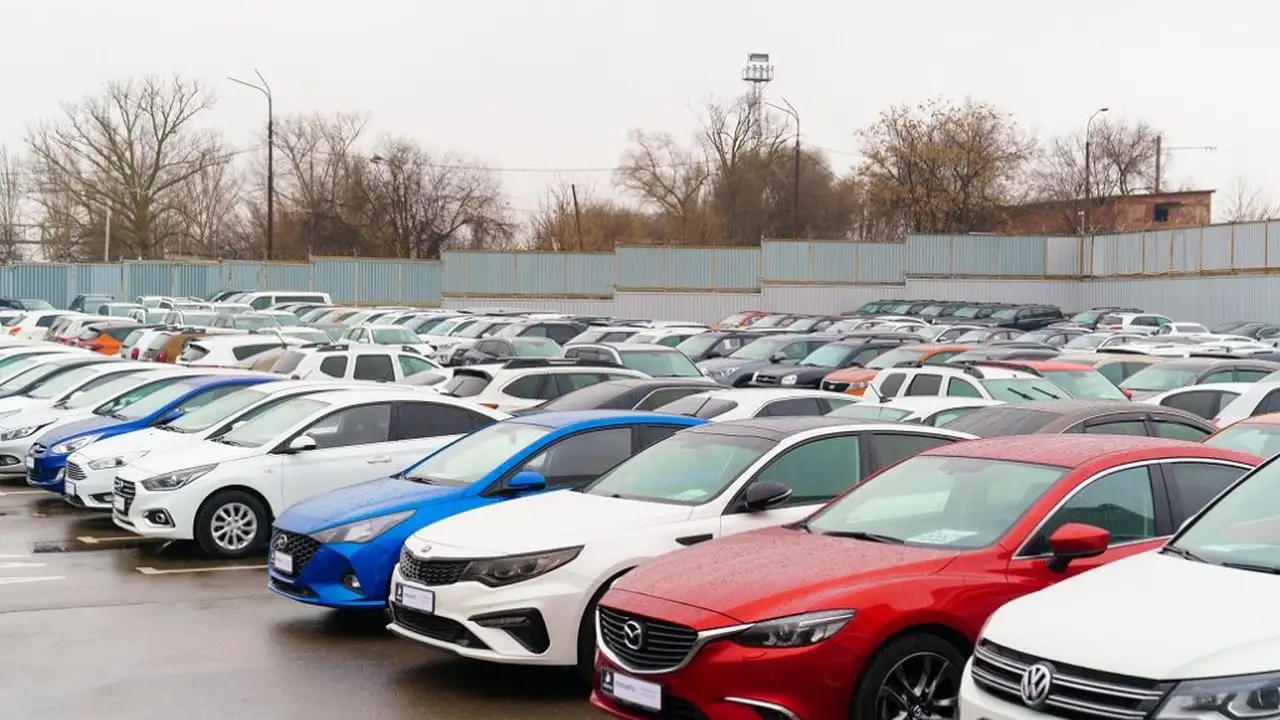
In many Southeast Asian countries, the used car market is particularly vibrant. Affordability is a major driver, as new car prices can be relatively high compared to average incomes. The availability of financing for used cars has also expanded, making them more accessible. Furthermore, the import of used vehicles from countries like Japan and Korea plays a significant role in some markets, offering a wider selection and competitive pricing.
However, new car sales are also on an upward trajectory, fueled by economic development and the introduction of more affordable models, including a growing number of electric vehicles. Government policies, such as tax incentives for local assembly or specific vehicle types, can heavily influence new car purchasing decisions. For instance, in countries like Thailand, where pickup trucks are extremely popular, new sales in that segment remain strong.
Brands like Toyota, Honda, and Mitsubishi have long-established presences and strong new car sales in the region, while local brands in countries like Malaysia (Proton, Perodua) also hold significant market share, often competing directly with used imports on price.
The Impact of Electric Vehicles on Both Markets EV Adoption and Resale Value
The rise of electric vehicles (EVs) is a game-changer for both new and used car markets. Initially, EVs were primarily new car purchases, often with significant government incentives. However, as more EVs enter the market and leases expire, a robust used EV market is beginning to emerge.
This introduces new considerations: battery health and degradation become crucial factors for used EV buyers. The rapid pace of technological advancement in EVs also means that a two or three-year-old EV might lack some of the range or charging speed of the latest models, impacting its resale value. However, as battery technology improves and charging infrastructure expands, the appeal of used EVs is likely to grow, offering an environmentally friendly and potentially cheaper alternative to internal combustion engine (ICE) vehicles.
For example, a used Tesla Model 3 might offer significant savings over a new one, but buyers will need to consider battery warranty and degradation. Similarly, in Southeast Asia, where EV adoption is still in earlier stages, the used EV market is nascent but expected to grow as new EV sales increase.
The Role of Online Platforms and Digitalization in Car Sales
The way we buy and sell cars has been revolutionized by online platforms and digitalization. Websites like Carvana, Vroom, and AutoTrader in the US, and similar platforms across Southeast Asia, have made it easier than ever to browse, compare, and even purchase vehicles from the comfort of your home. This has democratized access to information and expanded the reach of both new and used car dealerships.
For used cars, these platforms provide extensive listings, vehicle history reports (like Carfax in the US), and detailed photos, allowing buyers to make more informed decisions. For new cars, online configurators and virtual showrooms have become standard, enhancing the shopping experience.
This digital shift has also increased transparency, making it harder for sellers to hide vehicle flaws and empowering buyers with more negotiation leverage. The ability to compare prices across a vast network of sellers has intensified competition, benefiting consumers.
Future Outlook for New and Used Car Markets Sustainability and Innovation
Looking ahead, both new and used car markets will continue to be shaped by major trends. Sustainability will play an increasingly important role, with a continued shift towards EVs and hybrid vehicles. This will impact the types of cars produced and the demand for different fuel types in the used market.
Innovation, particularly in autonomous driving and connectivity, will also influence purchasing decisions. As these technologies become more mainstream, they will likely become standard features that consumers expect, even in used vehicles.
Economic stability, interest rates, and global supply chain resilience will remain critical factors. The interplay between new and used car sales will continue to be a delicate balance, reflecting the broader economic health and the evolving needs and preferences of consumers worldwide. The automotive industry is in a constant state of flux, and understanding these trends is key to navigating its complexities.
:max_bytes(150000):strip_icc()/277019-baked-pork-chops-with-cream-of-mushroom-soup-DDMFS-beauty-4x3-BG-7505-5762b731cf30447d9cbbbbbf387beafa.jpg)