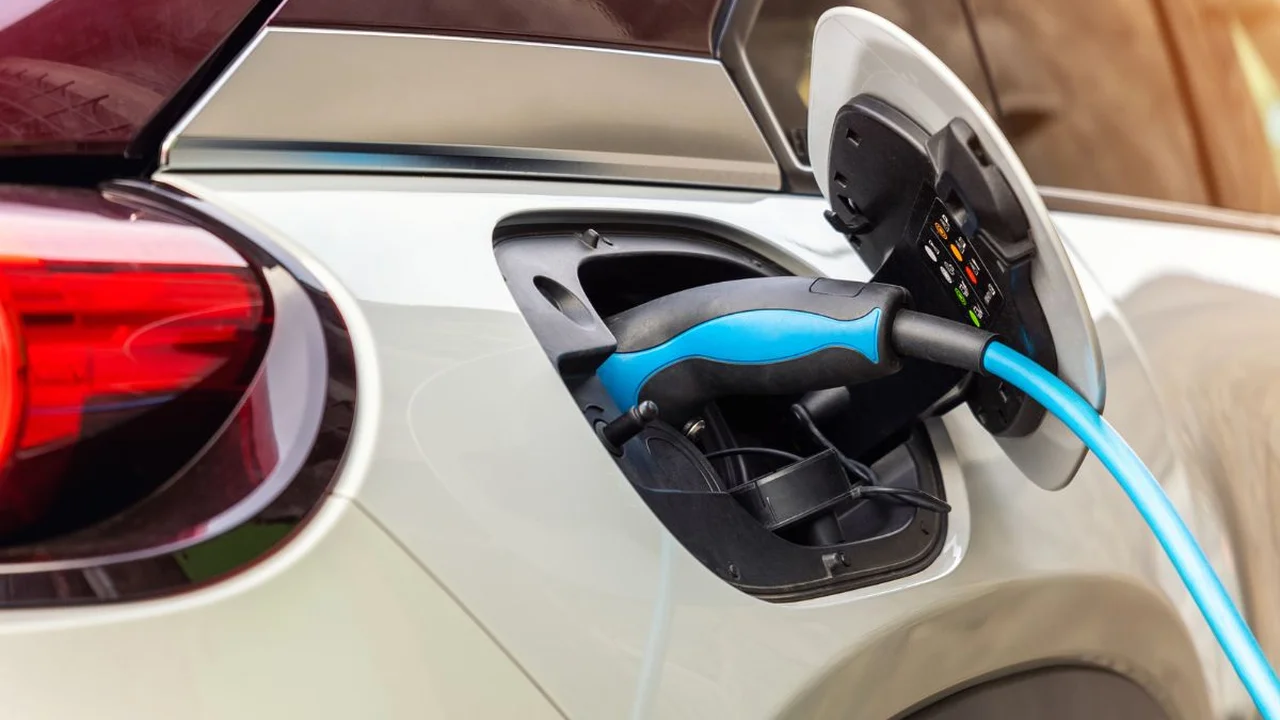
A comparison of various usage-based insurance programs and their benefits for drivers.
A comparison of various usage-based insurance programs and their benefits for drivers.
Comparing Usage Based Insurance Programs
Understanding Usage Based Insurance UBI and Telematics
Hey there! Ever heard of car insurance that actually rewards you for being a good driver? That's exactly what Usage-Based Insurance, or UBI, is all about. It's a pretty cool concept that's gaining a lot of traction, especially with all the tech we have these days. Basically, UBI uses telematics technology to monitor your driving habits. Think of telematics as a fancy word for devices that record and transmit data over long distances. In the context of UBI, these devices track things like how fast you drive, how hard you brake, how quickly you accelerate, and even when and how far you drive. The idea is simple: safer drivers should pay less for insurance because they're less likely to get into accidents.
This isn't just some futuristic idea; it's happening right now, and it's changing the game for car insurance. For a long time, insurance companies relied on broad statistics – your age, gender, where you live, the type of car you drive – to determine your rates. While those factors still play a role, UBI adds a personalized layer. It's like your insurance company getting to know you as a driver, rather than just lumping you into a big group. This can be a huge win for careful drivers who might otherwise be stuck paying higher premiums due to general risk factors.
How UBI Programs Work Data Collection and Privacy Concerns
So, how does all this data collection actually work? Most UBI programs use one of a few methods. The most common is a small device that plugs into your car's OBD-II port, which is usually located under your dashboard. This device then wirelessly transmits your driving data to the insurance company. Some programs use a smartphone app that leverages your phone's GPS and accelerometers to track your driving. And in some newer cars, the telematics technology is actually built right into the vehicle from the factory, making it even more seamless.
Now, I know what you're thinking: 'My insurance company is tracking me? What about my privacy?' That's a totally valid concern, and it's something insurance companies are very aware of. Most UBI programs are opt-in, meaning you choose to participate. They also typically have clear privacy policies outlining what data is collected, how it's used, and who it's shared with. The data is usually anonymized and aggregated for analysis, and it's primarily used to calculate your personalized premium. It's a trade-off: you share your driving data, and in return, you potentially get lower insurance rates. It's important to read the fine print and understand exactly what you're agreeing to before signing up.
Benefits of Usage Based Insurance Lower Premiums and Safer Driving
Let's talk about the good stuff – the benefits! The most obvious one is the potential for lower insurance premiums. If you're a safe driver, UBI can save you a significant amount of money. Some drivers report savings of 10%, 20%, or even more, especially if they were previously considered high-risk due to age or other factors. It's a direct reward for good driving habits.
Beyond just saving money, UBI can actually encourage safer driving. Knowing that your driving is being monitored can make you more conscious of your speed, braking, and acceleration. It's like having a little coach in your car, reminding you to drive responsibly. This can lead to fewer accidents, which is a win for everyone – safer roads, fewer injuries, and less damage to vehicles. Plus, some programs offer immediate feedback or tips to help you improve your driving score, making it a really interactive experience.
Comparing Popular UBI Programs in the US and Southeast Asia
Alright, let's dive into some specific UBI programs you might encounter, both in the US and potentially in Southeast Asia as these technologies expand globally.
US UBI Programs and Their Features
* Progressive Snapshot: This is one of the pioneers in the UBI space. Snapshot uses a small device that plugs into your car's OBD-II port or a mobile app. It primarily tracks mileage, hard braking, and time of day you drive. The program typically runs for about six months, and then your discount is applied to your renewal premium. It's pretty straightforward and has been around for a while, so it's well-established. They often offer an initial discount just for signing up.
* State Farm Drive Safe & Save: State Farm offers a couple of options for Drive Safe & Save. You can use their mobile app, which uses your phone's sensors, or a Bluetooth beacon that pairs with your phone. It monitors acceleration, braking, cornering, speed, and phone usage while driving. The discount is applied continuously, so you see the impact on your premium as you drive. They emphasize safe driving habits and offer personalized feedback.
* Allstate Drivewise: Allstate's Drivewise program also uses a mobile app. It tracks speed, braking, and time of day. What's cool about Drivewise is that it not only offers discounts on your premium but also rewards you with points that can be redeemed for gift cards or other perks. So, you're not just saving money on insurance; you're also getting tangible rewards for safe driving. They also have a crash detection feature that can automatically call for help if an accident is detected.
* GEICO DriveEasy: GEICO's DriveEasy program is app-based and focuses on distracted driving, hard braking, and speeding. They provide a driving score and tips to improve it. Like others, it aims to reward safe drivers with lower premiums. GEICO is known for its competitive rates, and DriveEasy can help you get an even better deal if you're a good driver.
UBI Programs in Southeast Asia Emerging Markets
While UBI is still growing in Southeast Asia, several insurers are starting to offer similar programs, often tailored to local driving conditions and regulations. These programs are often focused on reducing accident rates in densely populated urban areas.
* AXA SmartDrive (e.g., in Singapore, Malaysia): AXA has been rolling out telematics-based insurance in several Southeast Asian countries. Their SmartDrive programs often involve a telematics device installed in the car, tracking speed, braking, and mileage. The goal is to offer personalized premiums and encourage safer driving. They might also include features like emergency assistance and vehicle tracking.
* FWD Insurance (e.g., in Thailand, Hong Kong): FWD is another insurer exploring UBI in the region. Their programs often leverage smartphone apps to monitor driving behavior. They aim to provide dynamic pricing based on actual driving habits, which can be particularly appealing in markets with diverse driving styles.
* Local Insurers and Partnerships: Many local insurance companies in countries like Indonesia, Vietnam, and the Philippines are partnering with technology providers to develop their own UBI offerings. These might be less widely advertised but are emerging as options for drivers looking for more personalized rates. They often focus on specific risk factors prevalent in their local markets, such as heavy traffic or motorcycle usage.
Choosing the Right UBI Program Factors to Consider
So, how do you pick the best UBI program for you? It's not a one-size-fits-all situation. Here are a few things to think about:
* Your Driving Habits: Be honest with yourself. Are you a consistently safe driver? Do you avoid driving late at night or during peak hours? If so, UBI is probably a great fit. If you tend to have a lead foot or frequently drive in risky conditions, a UBI program might not save you as much, or could even increase your rates with some insurers (though most promise not to increase rates based on UBI data, always check).
* Data Collection Method: Do you prefer a plug-in device, a smartphone app, or built-in telematics? Some people don't like the idea of an app draining their phone battery or constantly running in the background. Others might find a plug-in device intrusive. Consider what you're comfortable with.
* Privacy Policy: This is super important. Read the privacy policy carefully. Understand what data is collected, how it's used, and if it's shared with third parties. Make sure you're comfortable with the terms.
* Potential Savings and Rewards: Compare the potential discounts offered by different programs. Some might offer a flat percentage, while others might have a tiered system. Also, consider if there are any additional rewards, like gift cards or emergency services.
* Program Duration: Some programs run for a trial period (e.g., six months), while others offer continuous monitoring. Understand how long you'll be participating and how often your rates will be adjusted.
* Customer Reviews: Check out what other users are saying about the program. Are they happy with the savings? Do they find the app easy to use? Are there any common complaints?
The Future of UBI and Personalized Insurance
The world of UBI is constantly evolving. We're seeing more sophisticated telematics devices, better data analytics, and even more personalized insurance offerings. The future of car insurance is definitely heading towards a model where your premium is much more closely tied to your actual driving behavior. This could mean even greater savings for safe drivers and a more equitable insurance system overall.
We might also see UBI integrating with other smart car technologies, like advanced driver-assistance systems (ADAS) and autonomous driving features. Imagine your insurance premium automatically adjusting based on how often you use your car's adaptive cruise control or lane-keeping assist. It's all about leveraging technology to create a safer and more efficient driving experience, and ultimately, a fairer insurance system. So, if you're a careful driver looking to save some cash, definitely give UBI a look!
:max_bytes(150000):strip_icc()/277019-baked-pork-chops-with-cream-of-mushroom-soup-DDMFS-beauty-4x3-BG-7505-5762b731cf30447d9cbbbbbf387beafa.jpg)