Examine the growing popularity and impact of subscription-based car services.
The rise of subscription-based car services is undeniable, transforming how we think about vehicle ownership and access. This article will examine the growing popularity and impact of subscription-based car services, delving into their benefits, drawbacks, and what the future holds for this innovative model. Forget the traditional headaches of buying, selling, and maintaining a car; subscription services offer a flexible, all-inclusive alternative that’s catching on fast, especially in urban centers across the US and Southeast Asia.
Understanding Car Subscription Models: Flexibility and Convenience Redefined
Car subscription models are essentially like leasing a car, but with significantly more flexibility and often, a broader range of services bundled in. Instead of a long-term commitment, you pay a recurring monthly fee that typically covers the vehicle itself, insurance, maintenance, and sometimes even roadside assistance. This model is a game-changer for those who crave variety, hate commitment, or simply want a hassle-free driving experience. It’s particularly appealing to younger generations and urban dwellers who might not need a car every single day but want access to one when they do.
What is a Car Subscription Service and How Does it Work
At its core, a car subscription service allows you to drive a car for a monthly fee without the burdens of ownership. You select a vehicle from a provider's fleet, pay your monthly subscription, and the car is delivered to you. The beauty of it is the flexibility: you can often swap cars, upgrade or downgrade your plan, or cancel your subscription with relatively short notice, unlike traditional leases or purchases. This means you could drive an SUV for a family road trip in the summer and switch to a compact sedan for city commuting in the winter, all without the paperwork and depreciation worries.
Key Differences Between Car Subscriptions Leasing and Ownership
Let's break down how subscriptions stack up against traditional leasing and outright ownership. When you own a car, you're responsible for everything: the purchase price, loan payments, insurance, maintenance, repairs, and depreciation. Leasing offers a lower monthly payment than buying, but you're still tied to a long-term contract, mileage limits, and often responsible for wear and tear beyond normal use. Car subscriptions, on the other hand, bundle most of these costs into one predictable monthly payment. The commitment is usually month-to-month, and you don't have to worry about depreciation or selling the car later. It's about access, not asset ownership.
Benefits of Car Subscription Services: Why Drivers are Making the Switch
The appeal of car subscription services is multifaceted, addressing many pain points associated with traditional car ownership. From financial predictability to unparalleled flexibility, these services are designed to simplify your driving life.
Financial Predictability and All Inclusive Pricing
One of the biggest draws is the financial predictability. Your monthly subscription fee covers almost everything: the car, insurance, routine maintenance, and sometimes even roadside assistance. This means no unexpected repair bills, no separate insurance premiums to manage, and a clear understanding of your monthly automotive expenses. For budget-conscious consumers, this all-inclusive pricing model offers peace of mind and simplifies financial planning. Imagine not having to worry about a sudden, expensive transmission repair or a hefty insurance renewal bill – it’s all taken care of.
Flexibility and Vehicle Swapping Options
This is where car subscriptions truly shine. Need a spacious SUV for a family vacation? Done. Want a sporty convertible for a weekend getaway? No problem. With many services, you can swap vehicles as often as once a month, allowing you to match your car to your current needs or mood. This level of flexibility is impossible with traditional ownership or leasing. It’s perfect for individuals or families whose automotive needs change throughout the year, or for those who simply enjoy experiencing different types of vehicles without the long-term commitment.
Reduced Maintenance and Ownership Hassles
Say goodbye to oil changes, tire rotations, and unexpected trips to the mechanic. With a car subscription, routine maintenance is typically included and handled by the provider. If something goes wrong, the service often includes roadside assistance and even a replacement vehicle. This significantly reduces the time, effort, and stress associated with car ownership. For busy professionals or those who simply dislike dealing with car upkeep, this benefit alone can be a major selling point.
Access to Newer Models and Technology
Subscription services often feature a fleet of newer models equipped with the latest technology and safety features. This means subscribers can regularly drive cars with cutting-edge infotainment systems, advanced driver-assistance systems (ADAS), and improved fuel efficiency, without having to buy a new car every few years. It’s a great way to stay current with automotive innovations without the significant upfront investment.
Drawbacks and Considerations of Car Subscription Services: What to Watch Out For
While car subscriptions offer many advantages, they aren't without their downsides. It's important to weigh these considerations before diving in.
Higher Long Term Costs Compared to Ownership
For drivers who keep a car for many years, outright ownership will almost always be more cost-effective in the long run. The convenience and flexibility of subscriptions come at a premium. Over several years, the cumulative monthly fees can easily exceed the cost of purchasing and maintaining a similar vehicle. If you plan to keep a car for five years or more, a subscription might end up being more expensive than buying or even a long-term lease.
Mileage Limitations and Potential Fees
Just like leases, many car subscription services come with mileage limits. Exceeding these limits can result in additional fees, which can quickly add up. If you're a high-mileage driver, it's crucial to carefully review the mileage allowances and factor in potential overage charges when comparing costs. Some services offer higher mileage tiers, but these usually come with a higher monthly fee.
Limited Vehicle Selection and Availability
While some services boast a wide range of vehicles, your choices might still be more limited than what's available on a dealership lot. Specific models or trims might not be available, and popular vehicles could have waiting lists. This can be a drawback if you have very specific preferences or need a particular type of vehicle immediately.
Lack of Equity and Asset Building
Unlike purchasing a car, a subscription service doesn't build equity. You're essentially renting access to a vehicle, not owning an asset. For those who view a car as an investment or a means to build credit and equity, this model might not be suitable. You won't have a car to sell or trade in at the end of your subscription, which means no down payment for your next vehicle.
Top Car Subscription Services in the US and Southeast Asia: A Comparative Look
The car subscription landscape is evolving rapidly, with various players offering different models and vehicle selections. Here's a look at some prominent services and what they offer.
Comparing US Based Car Subscription Platforms
In the US, several companies have entered the car subscription market, each with its own unique offerings. Let's consider a few:
Care by Volvo: Premium Experience and Flexibility
* Overview: Care by Volvo offers a premium subscription service for new Volvo vehicles. It's known for its all-inclusive package, covering insurance, maintenance, and roadside assistance.
* Vehicle Selection: Primarily new Volvo models, including popular SUVs like the XC40, XC60, and XC90, as well as sedans like the S60. They also offer electric and hybrid options.
* Pricing: Starts around $600-$700 per month for entry-level models, going up to $1,000+ for higher-end SUVs. Prices vary by region and model. For example, an XC40 Recharge might be around $750/month.
* Key Features: 24-month term with the option to swap cars after 12 months. Includes 1,250 miles per month. Insurance is provided by Liberty Mutual.
* Target Audience: Drivers seeking a premium, hassle-free experience with a focus on safety and luxury, without the long-term commitment of ownership.
* Use Case: Ideal for someone who wants to drive a new Volvo every year or two, enjoys predictable monthly costs, and values the comprehensive insurance and maintenance package.
Flexdrive: Diverse Fleet and Shorter Terms
* Overview: Flexdrive, often partnered with dealerships, offers a more diverse fleet of vehicles, including both new and used cars, with shorter subscription terms.
* Vehicle Selection: Varies significantly by location and partnering dealerships. You can find anything from compact sedans (e.g., Toyota Corolla, Honda Civic) to mid-size SUVs (e.g., Nissan Rogue, Ford Escape) and even some luxury options.
* Pricing: Can start as low as $400-$500 per month for economy cars, ranging up to $800+ for larger or more premium vehicles. For instance, a Honda Civic might be $450/month, while a Nissan Rogue could be $600/month.
* Key Features: Weekly or monthly subscription options. Insurance and maintenance are typically included. Mileage limits vary but are generally around 1,000-1,500 miles per month.
* Target Audience: Drivers looking for more affordable options, shorter commitment periods, and a wider variety of vehicle types, including used cars.
* Use Case: Great for someone who needs a car for a few months, wants to try out different models, or needs a temporary vehicle without a long-term financial burden.
Hertz My Car: Rental Car Giant Enters the Subscription Space
* Overview: Hertz My Car leverages Hertz's extensive rental fleet to offer subscription services, providing a wide range of vehicles and flexible terms.
* Vehicle Selection: A broad selection from economy cars (e.g., Kia Rio, Hyundai Elantra) to full-size sedans (e.g., Chevrolet Malibu, Nissan Altima), SUVs (e.g., Toyota RAV4, Ford Explorer), and even some luxury vehicles.
* Pricing: Tiers typically start around $500-$600 per month for economy/mid-size, going up to $1,000+ for premium SUVs. A mid-size sedan might be $550/month, while a standard SUV could be $750/month.
* Key Features: Monthly subscription with the ability to swap vehicles. Includes insurance, maintenance, and roadside assistance. Mileage limits are usually around 2,000 miles per month, which is more generous than some competitors.
* Target Audience: Individuals who appreciate the reliability of a major rental brand, need higher mileage allowances, and want a diverse selection of vehicles.
* Use Case: Suitable for business travelers, individuals with fluctuating travel needs, or those who frequently need different types of vehicles for work or leisure.
Emerging Car Subscription Services in Southeast Asia
The Southeast Asian market is also seeing a rise in car subscription services, often tailored to local preferences and infrastructure.
Flux Malaysia: Pioneering Subscriptions in Southeast Asia
* Overview: Flux is a prominent car subscription service in Malaysia, offering a wide range of vehicles from various brands.
* Vehicle Selection: Features popular models from brands like Perodua, Proton, Honda, Toyota, Mercedes-Benz, and BMW. Options range from compact cars to luxury sedans and SUVs.
* Pricing: Starts from around RM 1,000 (approx. $210 USD) per month for entry-level cars, up to RM 5,000+ (approx. $1,050 USD) for luxury vehicles. A Honda City might be RM 1,500/month, while a Mercedes-Benz C-Class could be RM 3,500/month.
* Key Features: Flexible terms from 1 month to 36 months. Includes insurance, road tax, maintenance, and wear & tear. Mileage packages are customizable.
* Target Audience: Expats, young professionals, and businesses in Malaysia looking for flexible car access without the commitment of ownership.
* Use Case: Ideal for someone new to Malaysia who needs a car immediately without the hassle of buying, or for businesses needing flexible fleet solutions.
Drive lah Singapore: Peer to Peer and Subscription Hybrid
* Overview: Drive lah in Singapore started as a peer-to-peer car-sharing platform but has expanded into longer-term subscriptions, offering a blend of flexibility and community.
* Vehicle Selection: A diverse fleet, often including popular Japanese and Korean models like Toyota, Honda, Hyundai, and Kia, as well as some European brands. Options range from compacts to SUVs.
* Pricing: Monthly subscriptions can start from SGD 800 (approx. $590 USD) for smaller cars, going up to SGD 2,000+ (approx. $1,470 USD) for larger or premium vehicles. A Honda Fit might be SGD 900/month, while a Toyota RAV4 could be SGD 1,500/month.
* Key Features: Flexible monthly terms. Includes insurance and maintenance. Mileage limits are typically around 1,500-2,000 km per month.
* Target Audience: Singapore residents looking for an alternative to expensive car ownership, with a focus on community and flexible access.
* Use Case: Perfect for individuals who need a car for daily commutes but also want the option to swap for a larger vehicle for weekend trips, all within a trusted local platform.
Kinto One Thailand: Toyota's Official Subscription Service
* Overview: Kinto One is Toyota's global car subscription service, with a strong presence in Thailand, offering a range of Toyota vehicles.
* Vehicle Selection: Exclusively Toyota models, including popular sedans like the Corolla and Camry, SUVs like the C-HR and Fortuner, and even pickup trucks like the Hilux Revo.
* Pricing: Starts from around THB 10,000 (approx. $270 USD) per month for entry-level models, up to THB 30,000+ (approx. $810 USD) for larger SUVs or premium models. A Toyota Yaris might be THB 12,000/month, while a Fortuner could be THB 25,000/month.
* Key Features: Fixed monthly payments covering vehicle usage, first-class insurance, maintenance, and road tax. Terms typically range from 1 to 4 years, offering a more stable, long-term subscription.
* Target Audience: Individuals and businesses in Thailand who prefer the reliability and brand assurance of Toyota, seeking a predictable monthly cost for their vehicle needs.
* Use Case: Ideal for someone who wants a new Toyota without the upfront cost and long-term commitment of a loan, and appreciates the comprehensive service package.
The Impact of Car Subscriptions on the Automotive Industry and Consumers
The rise of car subscription services is more than just a new way to get a car; it's a significant shift that's reshaping the automotive landscape for both manufacturers and consumers.
Changing Consumer Behavior and Ownership Mindsets
For decades, car ownership was a rite of passage, a symbol of freedom and status. Now, especially among younger generations and urban populations, the emphasis is shifting from ownership to access. Consumers are increasingly prioritizing flexibility, convenience, and predictable costs over the pride of owning an asset. This change in mindset is driven by factors like rising car prices, increasing urbanization, and a growing preference for subscription-based services across various industries. People want the utility of a car without the associated headaches and financial burdens.
Disruption to Traditional Dealership Models
Car subscription services pose a direct challenge to the traditional dealership model. Dealerships primarily rely on sales and long-term financing. Subscriptions bypass this, offering a direct-to-consumer model that could reduce the need for large inventories and complex sales processes. While some dealerships are partnering with subscription services, others are feeling the pressure to adapt. This disruption could lead to new business models for dealerships, focusing more on service, maintenance, and short-term rentals rather than just sales.
Implications for Car Manufacturers and Production
Manufacturers are also taking notice. Brands like Volvo and Porsche have launched their own subscription services, recognizing the shift in consumer demand. This allows them to maintain direct relationships with customers, gather valuable data on usage patterns, and potentially influence future vehicle design and production. It also opens up new revenue streams and ways to move inventory, especially for premium or niche vehicles that might not sell as quickly through traditional channels. The focus might shift from selling units to selling 'mobility as a service.'
Environmental Considerations and Sustainable Mobility
Car subscriptions could also play a role in promoting more sustainable mobility. By encouraging car sharing and optimizing vehicle utilization, these services could potentially reduce the total number of cars on the road. If people can easily access different types of vehicles as needed, they might be less inclined to own multiple cars. Furthermore, many subscription fleets consist of newer, more fuel-efficient, or electric vehicles, contributing to lower emissions. This aligns with global efforts towards greener transportation solutions, particularly in densely populated areas of the US and Southeast Asia.
The Future of Car Subscriptions: Trends and Predictions
The car subscription market is still relatively young, but its trajectory suggests significant growth and evolution in the coming years.
Integration with Public Transportation and Ride Sharing
Expect to see car subscription services integrate more seamlessly with public transportation and ride-sharing platforms. Imagine a future where your monthly mobility package includes not just access to a car, but also public transit passes and credits for ride-sharing services. This holistic approach to mobility would offer unparalleled convenience, allowing consumers to choose the most efficient and sustainable mode of transport for any given journey. This is particularly relevant in mega-cities in both the US and Southeast Asia where multimodal transport is key.
Expansion of Electric Vehicle EV Subscriptions
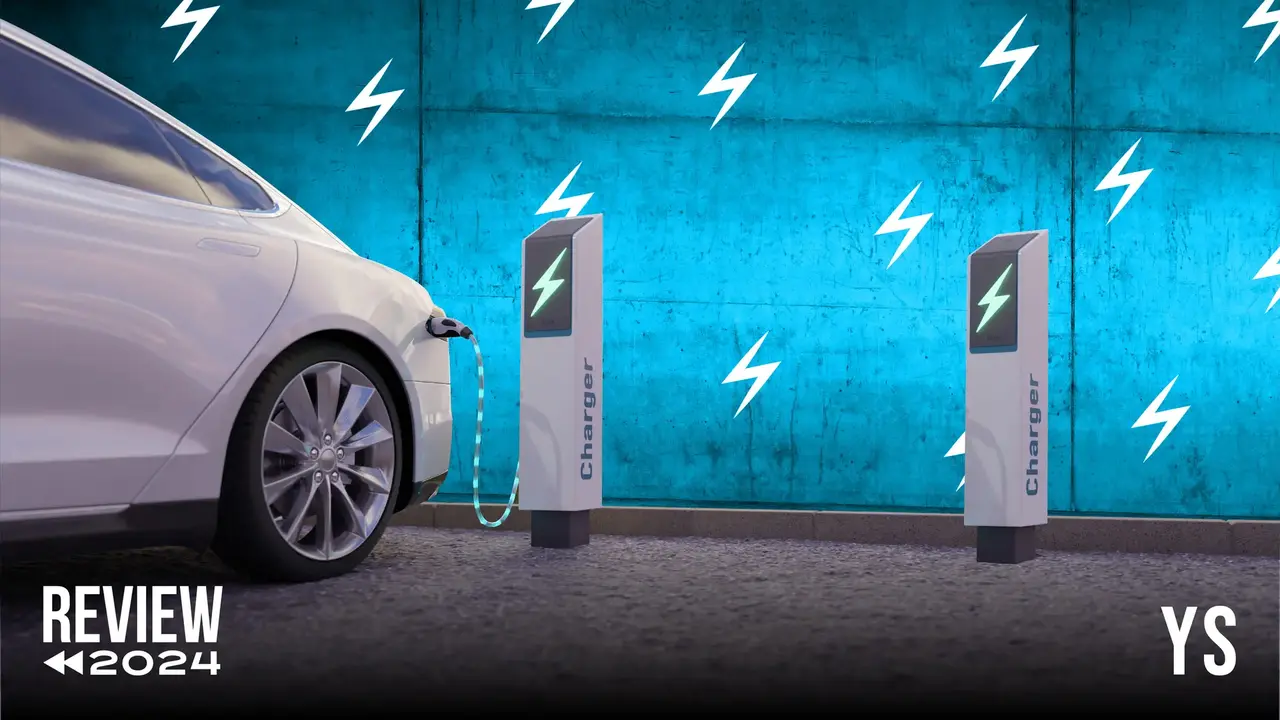
The push towards electric vehicles is a global trend, and car subscriptions are perfectly positioned to capitalize on it. EV subscriptions allow consumers to experience electric driving without the high upfront cost or concerns about battery degradation and resale value. As EV technology advances and charging infrastructure improves, expect a significant expansion of electric vehicle options within subscription fleets. This will make EVs more accessible and appealing to a broader audience, accelerating their adoption.
Personalization and AI Driven Recommendations
As these services collect more data on user preferences and driving habits, expect highly personalized offerings. AI could be used to recommend the perfect vehicle for an upcoming trip, suggest optimal swap times, or even tailor insurance packages based on individual driving behavior. This level of personalization will enhance the user experience and make subscription services even more attractive.
Regulatory Landscape and Insurance Innovations
The regulatory landscape for car subscriptions is still evolving. Governments and insurance providers will need to adapt to this new model, potentially creating new categories of insurance and consumer protection laws. We might see innovative insurance products specifically designed for subscription services, offering even more tailored coverage and potentially lower costs as risk models become more sophisticated. This will be crucial for the long-term stability and growth of the market.
Making the Right Choice: Is a Car Subscription Right for You
Deciding whether a car subscription is the right choice depends heavily on your individual needs, driving habits, and financial situation. It's not a one-size-fits-all solution, but for many, it offers a compelling alternative to traditional car ownership.
Assessing Your Driving Needs and Lifestyle
Consider how often you drive, how many miles you typically cover, and whether your vehicle needs change frequently. If you're an urban dweller who only needs a car occasionally, or if your work requires different types of vehicles at different times, a subscription could be ideal. If you drive long distances daily and prefer to keep the same car for many years, traditional ownership might still be more economical. Think about your lifestyle: do you value flexibility and convenience over long-term asset ownership?
Comparing Costs with Traditional Ownership and Leasing
Do a thorough cost comparison. Calculate the total cost of ownership (TCO) for a car you might buy or lease, including depreciation, insurance, maintenance, and fuel. Then compare that to the monthly fees of a subscription service, factoring in mileage limits and any potential extra charges. Remember, while subscriptions might seem more expensive monthly in the long run, they offer predictability and eliminate many hidden costs and hassles. For shorter terms (1-3 years), subscriptions can often be very competitive.
Understanding the Terms and Conditions of Subscription Services
Before committing, meticulously read the terms and conditions. Pay close attention to mileage limits, cancellation policies, insurance coverage details, and what exactly is included in the maintenance package. Understand the process for swapping vehicles and any associated fees. Knowing these details upfront will prevent any surprises down the road and ensure the service truly meets your expectations. Don't be afraid to ask questions and clarify anything that seems unclear.
Car subscription services are undoubtedly a growing force in the automotive world, offering a modern, flexible approach to personal mobility. While they present a compelling alternative for many, especially in dynamic markets like the US and Southeast Asia, a careful evaluation of your personal circumstances is key to determining if this innovative model is the right fit for you.

:max_bytes(150000):strip_icc()/277019-baked-pork-chops-with-cream-of-mushroom-soup-DDMFS-beauty-4x3-BG-7505-5762b731cf30447d9cbbbbbf387beafa.jpg)