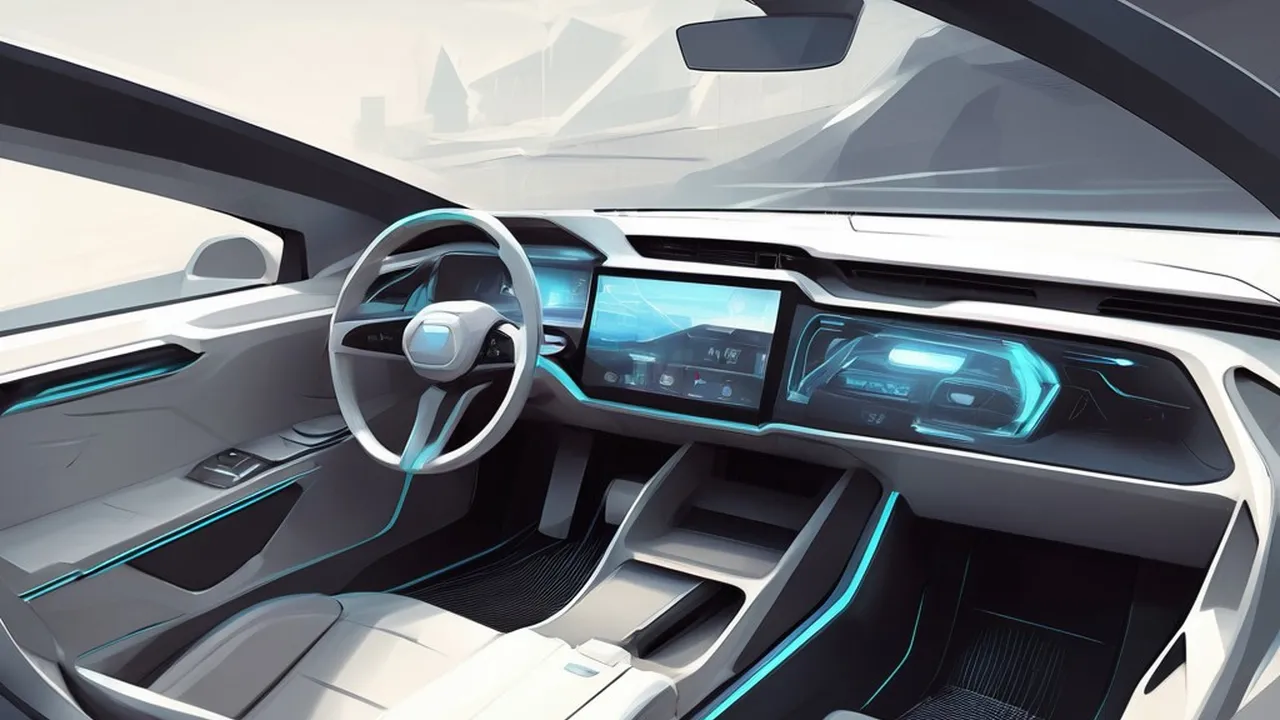
Future of Automotive Haptic Feedback Systems
Examine the advancements and future applications of haptic feedback systems in cars.
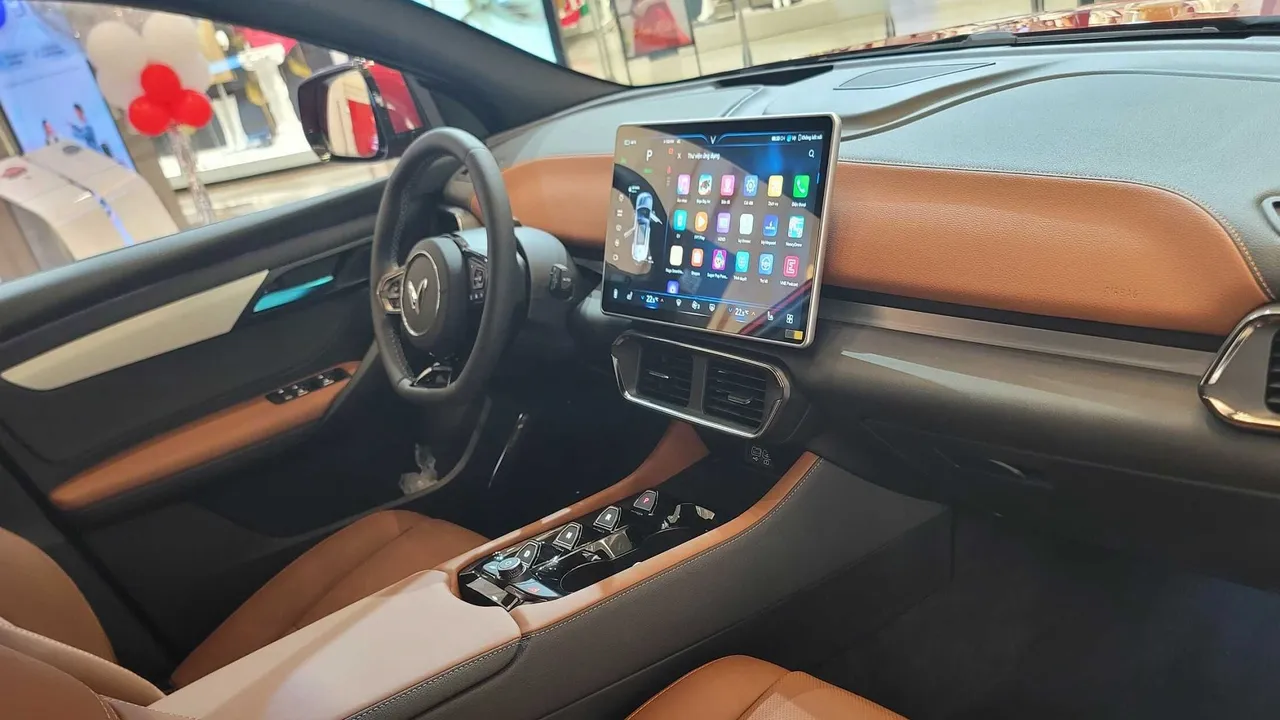
Examine the advancements and future applications of haptic feedback systems in cars.
Future of Automotive Haptic Feedback Systems
Understanding Haptic Feedback in Automotive Interfaces
Hey there, ever wondered about those subtle vibrations you feel in your steering wheel or seat? That's haptic feedback at play, and it's becoming a big deal in the automotive world. Essentially, haptics refers to any technology that can create an experience of touch by applying forces, vibrations, or motions to the user. In cars, this means communicating information through your sense of touch, rather than just sight or sound. Think about it: instead of a loud beep, a gentle vibration can tell you you're drifting out of your lane. Pretty neat, right?
The primary goal of integrating haptic feedback into vehicles is to enhance safety and improve the overall driving experience. By providing tactile cues, haptic systems can reduce driver distraction, as drivers can often process tactile information faster and with less cognitive load than visual or auditory alerts. This is especially crucial in today's cars, which are packed with more screens and alerts than ever before. Haptics offers a more intuitive and less intrusive way to deliver critical information, making driving safer and more comfortable.
Current Applications of Haptic Technology in Cars
So, where are we seeing haptic feedback right now? It's already quite common in a few key areas. One of the most prevalent applications is in advanced driver-assistance systems (ADAS). For instance, many modern cars use haptic feedback in their lane departure warning systems. If you start to drift out of your lane without signaling, the steering wheel might vibrate gently to alert you. This is far less jarring than an audible alarm and allows you to correct your course smoothly.
Another common use is in blind-spot monitoring. Instead of just a light in your side mirror, some systems will vibrate the seat on the side where a vehicle is detected in your blind spot. This provides a clear, directional warning that's hard to miss. Parking assist systems also leverage haptics, with some vehicles providing vibrations in the steering wheel or seat to indicate proximity to obstacles, making parking in tight spots a breeze.
Beyond safety, haptics are also making their way into infotainment systems. Imagine navigating through menus on a touchscreen and feeling a subtle click or texture as you select an option, mimicking the feel of a physical button. This can make touchscreens feel more responsive and reduce the need to look away from the road to confirm an input. Some luxury vehicles even use haptic feedback in their climate control dials or volume knobs, providing a premium, tactile experience.
Leading Haptic Feedback Systems and Products
When we talk about specific products and technologies, several companies are at the forefront of automotive haptics. Let's dive into some of the key players and their offerings:
Immersion Corporation Haptic Solutions for Automotive
Immersion is a big name in the haptics world, and they've been developing tactile feedback technology for decades. Their automotive solutions focus on creating realistic and intuitive haptic effects for various in-car applications. They work with major automakers to integrate their TouchSense® technology into steering wheels, seats, and touchscreens. For example, their technology can provide distinct vibrations for different ADAS alerts, making it easier for drivers to differentiate between a lane departure warning and a blind-spot alert without visual confirmation. They also offer haptic solutions for infotainment systems, providing customizable tactile effects for buttons, sliders, and virtual keyboards. Immersion's strength lies in its extensive patent portfolio and deep expertise in haptic waveform design, allowing for highly nuanced and effective tactile experiences. Their solutions are often integrated at the OEM level, meaning you'll find their tech in many new cars from various manufacturers.
Continental Haptic Feedback Display and Controls
Continental, a major automotive supplier, is also heavily invested in haptic technology. They've developed innovative haptic feedback displays and control elements that aim to bridge the gap between physical buttons and touchscreens. Their 'Haptic Feedback Display' allows drivers to feel virtual buttons and sliders on a smooth screen, providing tactile confirmation without needing to look at the display. This is a game-changer for reducing driver distraction. They also offer haptic feedback in their steering wheel controls, allowing drivers to interact with infotainment and vehicle settings through tactile cues. Continental's approach often involves integrating haptics directly into their broader cockpit solutions, offering a more holistic and seamless user experience. Their products are typically found in mid-to-high-end vehicles, enhancing both safety and luxury.
Bosch Haptic Actuators and Modules
Bosch, another automotive giant, provides a range of haptic actuators and modules that can be integrated into various vehicle components. They focus on developing robust and reliable haptic solutions for steering wheels, seats, and pedals. For instance, their haptic pedal can provide feedback to the driver, such as a gentle counter-pressure to indicate that the vehicle is approaching a speed limit or to suggest more fuel-efficient driving. This kind of feedback can be incredibly intuitive and effective. Bosch's expertise in automotive electronics and systems integration allows them to offer comprehensive haptic solutions that are tailored to specific vehicle platforms. Their components are widely used across the automotive industry, from mass-market vehicles to premium brands.
TDK Haptic Actuators for Automotive Applications
TDK, known for its electronic components, offers advanced haptic actuators, particularly those based on piezoelectric technology. These actuators are very compact and can generate precise and powerful haptic effects, making them ideal for integration into small spaces like touchscreens, buttons, and even gear selectors. Piezoelectric haptics can provide a very crisp and distinct tactile sensation, which is excellent for conveying different types of information. TDK's focus is often on providing the core haptic components to other automotive suppliers and OEMs, who then integrate them into their larger systems. Their technology is particularly well-suited for applications where fine-grained control and a high degree of responsiveness are required.
Comparing Haptic Technologies and Their Use Cases
When we talk about haptic technology, it's not a one-size-fits-all situation. Different types of actuators and systems offer distinct advantages for various applications. Let's break down some of the common types and where they shine:
Eccentric Rotating Mass ERM Motors
ERM motors are probably the most common and cost-effective haptic actuators. They work by spinning an unbalanced weight, creating vibrations. Think of the vibration motor in your old cell phone. In cars, ERMs are often used in steering wheels for lane departure warnings or in seats for blind-spot alerts. They're great for general-purpose vibrations and are relatively inexpensive to implement. However, they can be a bit slow to start and stop, and the range of haptic effects they can produce is somewhat limited. They're a good choice for basic, clear alerts.
Linear Resonant Actuators LRAs
LRAs are a step up from ERMs. They use a spring-mounted mass that vibrates linearly when an alternating current is applied. LRAs offer faster response times and can produce a wider range of more precise haptic effects, including sharper clicks and more nuanced textures. They're often found in higher-end infotainment systems, touchscreens, and some advanced steering wheel controls. While more expensive than ERMs, their improved performance justifies the cost for applications requiring more sophisticated tactile feedback.
Piezoelectric Actuators
Piezoelectric actuators are the most advanced and precise haptic technology currently available. They work by deforming a ceramic material when an electric voltage is applied, creating very rapid and localized vibrations. This allows for extremely crisp, high-definition haptic effects, including the sensation of textures, clicks, and even subtle pressure changes. Piezo haptics are ideal for touchscreens, virtual buttons, and applications where a very realistic and responsive tactile experience is desired. They are more expensive and complex to integrate but offer the best performance in terms of fidelity and control. You'll find these in premium vehicles and cutting-edge infotainment systems.
Electrostatic Haptics
This is a newer and less common technology, but it holds a lot of promise. Electrostatic haptics create a sensation of friction on a smooth surface, making it feel like you're touching a textured object. This is achieved by applying an electric field to the surface, which changes the friction between your finger and the display. While still largely in the research and development phase for automotive applications, electrostatic haptics could revolutionize touchscreen interfaces, allowing for a truly tactile experience on a flat glass surface without any moving parts. Imagine feeling the 'grip' of a virtual knob or the 'texture' of a map on your car's display.
The Future Landscape of Automotive Haptics
Looking ahead, the future of haptic feedback in cars is incredibly exciting. We're going to see even more sophisticated and integrated systems that go beyond simple alerts.
Enhanced Safety and Driver Awareness
Haptics will play an even bigger role in ADAS and autonomous driving. Imagine a car that can communicate complex traffic situations through subtle vibrations in your seat or steering wheel. For example, a specific pattern of vibrations could indicate a pedestrian crossing ahead, while another could warn of an impending collision from a particular direction. This directional and nuanced feedback will be crucial as cars become more autonomous, allowing drivers to stay engaged and informed even when the car is doing most of the work.
Immersive In-Car Experiences
Beyond safety, haptics will transform the in-car entertainment and user experience. Touchscreens will become more tactile and intuitive, with customizable haptic feedback for different applications. You might feel the 'thump' of a bass drum through your seat while listening to music, or the 'rumble' of a virtual engine in a car racing game played on the infotainment screen. Haptics could also be used to create more immersive navigation experiences, guiding you with subtle pulses in the steering wheel that indicate turns or lane changes.
Personalization and Customization
Just like you can customize your car's ambient lighting or sound settings, you'll likely be able to personalize your haptic feedback. Drivers might be able to choose different vibration patterns or intensities for various alerts, tailoring the tactile experience to their preferences. This level of personalization will make the car feel even more like an extension of the driver.
Integration with Augmented Reality
As augmented reality (AR) becomes more prevalent in cars, haptics will be a natural complement. Imagine an AR windshield display that highlights a point of interest, and simultaneously, you feel a subtle vibration in your steering wheel guiding your attention to that specific area. This combination of visual and tactile cues could create incredibly rich and intuitive interactions with the vehicle and its surroundings.
Challenges and Opportunities
Of course, there are challenges. Integrating complex haptic systems into vehicles requires careful engineering and consideration of cost, power consumption, and reliability. Automakers also need to standardize haptic feedback patterns to ensure consistency and avoid confusion for drivers. However, the opportunities are immense. Haptics has the potential to make cars safer, more intuitive, and more enjoyable to drive, ultimately enhancing the entire automotive experience for everyone on the road.
So, next time you're in a car, pay attention to those subtle nudges and vibrations. They're not just random; they're a glimpse into the future of how we interact with our vehicles, making every journey a little bit smarter and a lot more connected.
:max_bytes(150000):strip_icc()/277019-baked-pork-chops-with-cream-of-mushroom-soup-DDMFS-beauty-4x3-BG-7505-5762b731cf30447d9cbbbbbf387beafa.jpg)