How Over The Air Updates Improve Car Performance
Learn how over-the-air OTA updates enhance vehicle performance and add new features.
Learn how over-the-air OTA updates enhance vehicle performance and add new features.
How Over The Air Updates Improve Car Performance
Understanding Over The Air Updates for Modern Vehicles
Hey there, car enthusiasts and tech-savvy drivers! Ever wonder how your smartphone gets better over time with new features and bug fixes, all without you having to plug it into a computer? Well, the automotive world has caught up, and it's all thanks to something called Over-The-Air, or OTA, updates. These aren't just minor tweaks; we're talking about significant improvements that can literally transform your driving experience, enhance safety, and even boost performance. Forget about those dreaded trips to the dealership just for a software patch. With OTA updates, your car can get smarter, safer, and more efficient right in your driveway.
So, what exactly are OTA updates in the context of cars? Simply put, they are wireless software updates delivered directly to your vehicle's onboard systems. Think of it like updating the operating system on your phone or computer. These updates can target various components of your car, from the infotainment system and navigation to the engine control unit (ECU), battery management system (BMS) in EVs, and even advanced driver-assistance systems (ADAS). The beauty of OTA is its convenience and speed. No more waiting for service appointments or dealing with outdated software. Your car stays current, always ready to offer the latest and greatest.
Enhancing Vehicle Performance Through Software Upgrades
When we talk about performance, it's not just about horsepower and torque anymore. In today's digitally driven vehicles, software plays a massive role. OTA updates can fine-tune engine parameters, optimize transmission shifts, and even improve fuel efficiency. For electric vehicles, the impact is even more profound. Imagine getting an update that extends your EV's range or improves its charging speed. That's the power of OTA.
Let's dive into some real-world examples. Tesla, a pioneer in OTA updates, has famously used them to unlock more power, improve acceleration, and even add new driving modes to their vehicles. For instance, a software update once gave some Model S owners a 'Ludicrous Mode' that significantly boosted acceleration. Beyond raw power, these updates can refine how your car handles, making the steering more responsive or the suspension more adaptive. It's like getting a performance upgrade without ever opening the hood.
Another critical area where OTA updates shine is in optimizing fuel economy for internal combustion engine (ICE) vehicles and range for EVs. By tweaking engine mapping, injection timing, or regenerative braking algorithms, manufacturers can squeeze more miles out of every gallon or every charge. This not only saves you money at the pump or charging station but also contributes to a greener environment. It's a win-win for everyone.
Adding New Features and Functionalities with OTA
One of the most exciting aspects of OTA updates is their ability to introduce entirely new features to your car. This means your vehicle can evolve and gain new capabilities long after you've driven it off the lot. It's like getting a brand-new car experience without buying a new car.
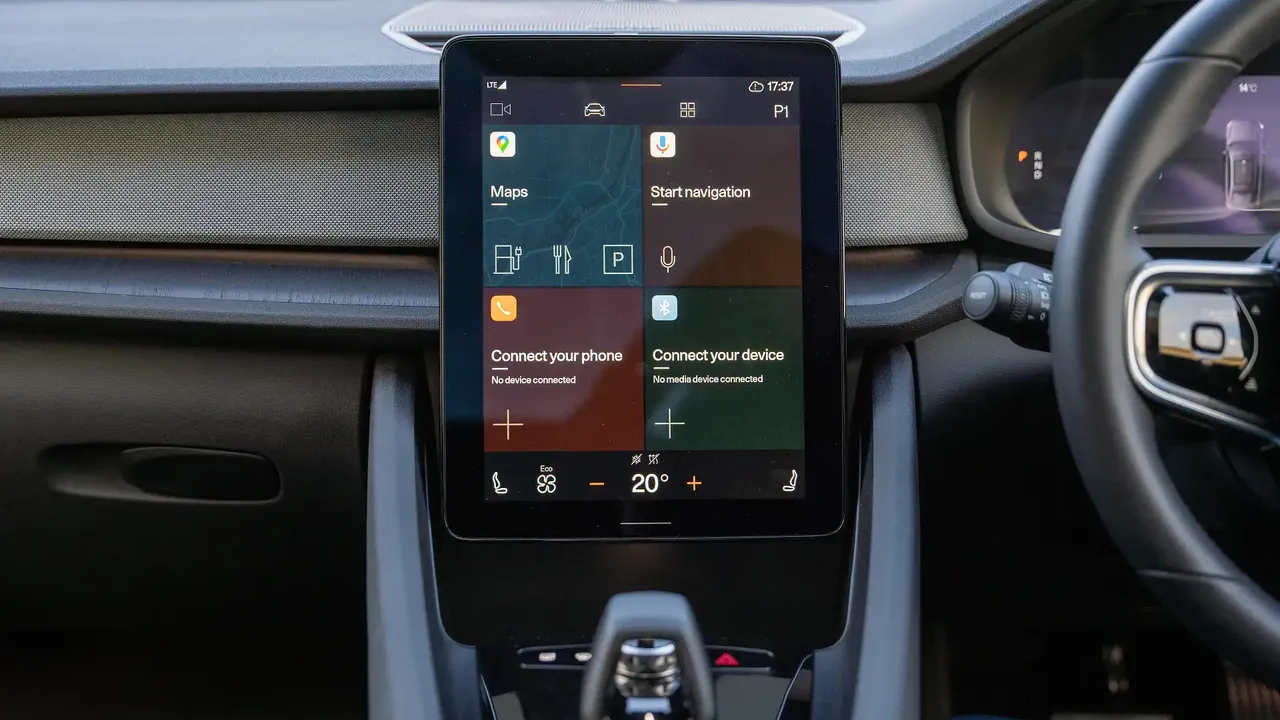
Consider infotainment systems. OTA updates can bring new apps, improve user interfaces, or integrate with new smartphone features. For example, Apple CarPlay or Android Auto might receive updates that enhance their functionality or compatibility. Navigation systems can get updated maps, real-time traffic algorithms, and even new points of interest, ensuring you always have the most accurate and helpful guidance.
Beyond entertainment and navigation, OTA updates can also introduce advanced driver-assistance systems (ADAS) features. This could mean improved adaptive cruise control, better lane-keeping assistance, or even new parking assist functions. Some manufacturers have even used OTA to enable features like automated valet parking or enhanced semi-autonomous driving capabilities. It's truly remarkable how a simple software download can unlock such sophisticated functionalities.
For example, BMW has used OTA updates to introduce features like Remote Engine Start and improved voice assistant capabilities to existing vehicles. Ford's Power-Up software updates have brought new features like 'Sketch' for the infotainment screen and enhanced Pro Power Onboard functionality for their F-150 Lightning. These aren't just minor bug fixes; they are substantial additions that enhance the ownership experience.
Improving Safety and Security Through Timely Updates
Safety is paramount in the automotive industry, and OTA updates play a crucial role in keeping your vehicle secure and protected. Just like your computer needs security patches, your car's complex software systems are also vulnerable to cyber threats. OTA updates allow manufacturers to quickly deploy fixes for newly discovered vulnerabilities, safeguarding your vehicle from potential hacks and ensuring your personal data remains private.
Beyond cybersecurity, OTA updates can also enhance active safety features. This includes refining the performance of your car's airbags, anti-lock braking system (ABS), electronic stability control (ESC), and other critical safety components. Imagine an update that makes your automatic emergency braking system more responsive or improves the accuracy of your blind-spot monitoring. These improvements can literally be life-saving.
Recalls are another area where OTA updates are a game-changer. Historically, a software-related recall meant thousands of vehicles had to be brought into dealerships for manual updates, a costly and time-consuming process for both manufacturers and owners. With OTA, many software-related recalls can be addressed remotely, saving time, money, and inconvenience. This means your car gets critical safety fixes much faster, reducing potential risks on the road.
Comparing OTA Update Implementations Across Brands
While many manufacturers are now embracing OTA updates, their implementation and capabilities can vary significantly. Let's look at how some key players are handling this technology.
Tesla The Pioneer of Automotive OTA Updates
Tesla is widely recognized as the trailblazer in automotive OTA updates. They've been doing it for years, and their system is arguably the most comprehensive. Tesla's updates cover almost every aspect of the vehicle, from powertrain performance and battery management to infotainment, ADAS, and even user interface changes. They often introduce significant new features, like 'Summon' or 'Autopark,' through OTA. Their updates are typically seamless, often downloaded in the background and installed when the car is parked, usually overnight. This extensive capability has set a high bar for the rest of the industry.
Ford Power-Up Updates for Enhanced Functionality
Ford has made significant strides with its 'Power-Up' software updates. These updates are designed to improve quality, capability, and user experience. Ford's system allows for updates to various modules, including the SYNC infotainment system, powertrain, and ADAS. A notable example is the F-150 Lightning, which has received updates enhancing its Pro Power Onboard feature and adding new digital experiences. Ford aims to make these updates as seamless as possible, often allowing owners to schedule them at their convenience. This approach focuses on continuous improvement and adding value post-purchase.
General Motors Ultifi Platform for Future Proofing
General Motors is investing heavily in its 'Ultifi' software platform, which is designed to enable frequent and seamless OTA updates across its vehicle lineup. Ultifi aims to provide a highly customizable and upgradable experience, allowing GM to deploy new features, services, and even performance enhancements. This platform is built to be future-proof, supporting everything from infotainment to advanced vehicle controls. GM's strategy is to create a more personalized and evolving ownership experience, keeping their vehicles fresh and competitive for longer.
BMW Remote Software Upgrade for Premium Experience
BMW offers 'Remote Software Upgrade' for many of its newer models. These updates focus on improving existing functions, adding new digital services, and enhancing the overall user experience. BMW's updates often include improvements to their iDrive infotainment system, voice assistant capabilities, and even new driving assistance features. The process is designed to be user-friendly, with notifications sent to the driver and the ability to initiate the update via the vehicle's display or the My BMW app. This ensures that BMW owners always have access to the latest innovations and refinements.
Hyundai Kia Connected Car Services for Continuous Improvement
Hyundai and Kia have also embraced OTA updates, primarily focusing on their infotainment and navigation systems. Their 'Connected Car Services' allow for wireless updates to maps, software, and even some vehicle control units. These updates aim to improve the accuracy of navigation, enhance multimedia features, and ensure the vehicle's systems are running optimally. While perhaps not as extensive as Tesla's, their commitment to OTA ensures that their vehicles remain competitive and offer an evolving user experience, particularly in the rapidly advancing tech landscape of Southeast Asia and the US.
The Future of Automotive OTA Updates and Monetization
The trend towards OTA updates is only going to accelerate. As cars become more software-defined, the ability to update them wirelessly will be crucial for their longevity, functionality, and value. We're already seeing manufacturers explore new business models around OTA, such as subscription-based features or on-demand upgrades.
Imagine paying a monthly fee to unlock a higher level of autonomous driving capability, or a one-time payment to boost your car's horsepower. While this concept is still evolving and sometimes met with consumer skepticism, it represents a significant shift in how we think about car ownership. It moves from a static product to an evolving platform that can be customized and enhanced throughout its lifecycle.
The implications for the automotive industry are massive. It means faster innovation cycles, reduced recall costs, and the potential for new revenue streams. For consumers, it means a car that gets better over time, offering new features and improved performance without the need for frequent trade-ins. It's an exciting future where your car is not just a mode of transport but a continuously evolving piece of technology.
So, the next time your car notifies you about an available software update, don't hesitate. Embrace it! It's not just a patch; it's an opportunity to make your driving experience safer, smarter, and more enjoyable. OTA updates are truly revolutionizing how we interact with our vehicles, ensuring they remain at the cutting edge of technology for years to come.
:max_bytes(150000):strip_icc()/277019-baked-pork-chops-with-cream-of-mushroom-soup-DDMFS-beauty-4x3-BG-7505-5762b731cf30447d9cbbbbbf387beafa.jpg)