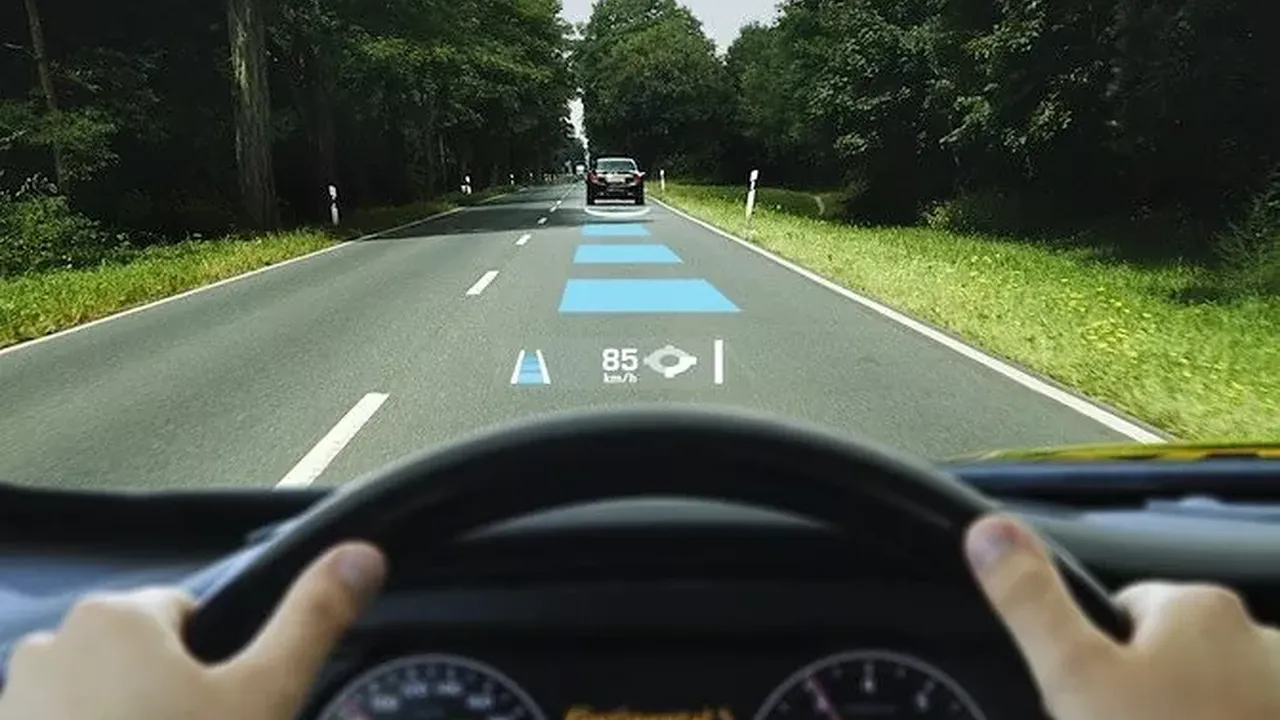
The Future of Automotive Retail Experiences
Examine how automotive retail experiences are evolving with new technologies and consumer demands.
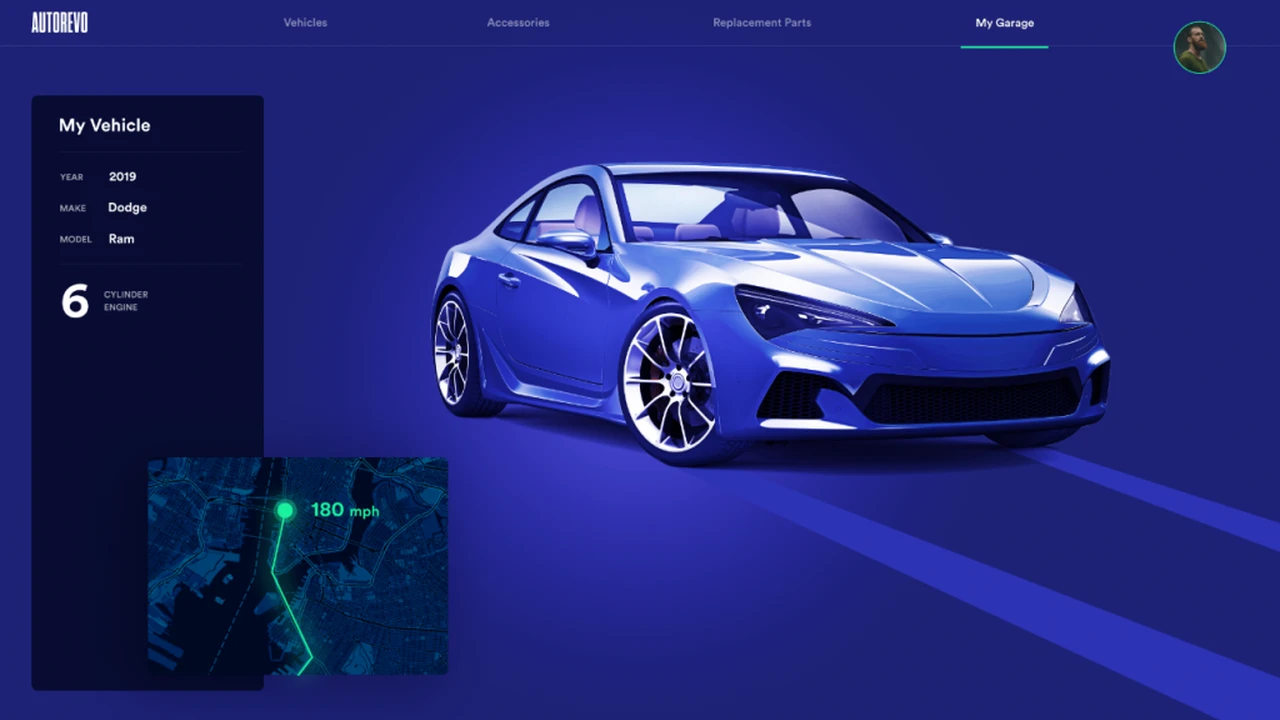
Examine how automotive retail experiences are evolving with new technologies and consumer demands.
The Future of Automotive Retail Experiences
Hey everyone! Let's dive into something super interesting today: how we buy cars is changing, big time. Forget the old-school dealerships with pushy salespeople and endless paperwork. The automotive retail experience is getting a massive makeover, driven by new tech and what we, as consumers, actually want. We're talking about a shift from a transactional model to an experiential one, where convenience, personalization, and digital integration are king. This isn't just about buying a car; it's about how we discover, research, test drive, finance, and even maintain our vehicles. It's a whole new world out there, and it's pretty exciting!
Digital Showrooms and Virtual Reality Car Shopping
One of the biggest game-changers in automotive retail is the rise of digital showrooms and virtual reality (VR) car shopping. Imagine being able to explore a car's interior and exterior from the comfort of your couch, customize it with different colors and features, and even take it for a virtual test drive. This isn't science fiction anymore; it's happening!
Why it's a game-changer: For starters, it offers unparalleled convenience. No more driving to multiple dealerships, dealing with limited inventory on the lot, or feeling rushed. You can browse at your own pace, anytime, anywhere. For dealerships, it means a wider reach, lower overheads for physical inventory, and the ability to showcase every single configuration of a vehicle without needing a massive lot.
How it works: Many brands are already investing heavily in this. For example, Audi's 'Audi City' concept, which started in London, uses large-scale digital screens to display their entire model range in a compact urban space. Customers can configure their dream car on a touch screen, see it in life-size on a massive digital wall, and even hear the engine sound. It's an immersive experience that blends the digital with the physical.
Then there's VR technology. Companies like Hyundai have experimented with VR headsets that allow potential buyers to 'sit' inside a car, interact with its features, and even 'drive' it through different scenarios. This is particularly useful for showcasing upcoming models or highly customizable vehicles where having every variant on the showroom floor is impossible.
Comparing products: While many brands are developing their own proprietary VR experiences, third-party platforms are also emerging. For instance, ZeroLight is a company that provides real-time 3D visualization and configuration solutions for automotive brands. Their platform allows for incredibly detailed customization and photorealistic rendering, making the virtual experience almost indistinguishable from reality. The cost for dealerships to implement such systems can range from tens of thousands for basic digital kiosks to hundreds of thousands for full-blown VR experience centers, depending on the scale and sophistication.
Use cases: This is perfect for busy professionals who don't have time to visit multiple dealerships, or for those living in remote areas without easy access to a wide range of car brands. It also caters to younger, tech-savvy buyers who expect a seamless digital experience in all their purchasing decisions.
Personalized Car Buying Journeys and AI Assistance
Gone are the days of a one-size-fits-all sales pitch. The future of automotive retail is all about personalization. Artificial intelligence (AI) and data analytics are playing a huge role here, helping dealerships understand individual customer preferences and tailor the buying journey accordingly.
What it means for you: Imagine visiting a car brand's website, and instead of generic ads, you see vehicles and features that genuinely align with your lifestyle, budget, and past browsing history. Chatbots powered by AI can answer your questions instantly, guide you through the configuration process, and even schedule test drives, all without human intervention until you're ready for it.
How it's evolving: Many automotive websites now use AI-driven recommendation engines. For example, if you've been looking at family SUVs, the site will prioritize showing you relevant models, safety features, and financing options. Tesla's online configurator is a prime example of a highly personalized and streamlined buying process, where you can customize your vehicle, see the price update in real-time, and complete the purchase entirely online.
AI-powered chatbots are becoming increasingly sophisticated. Companies like Gubagoo and DealerSocket offer AI-driven chat solutions for dealerships that can handle a wide range of customer inquiries, from inventory checks to service scheduling. These bots learn from interactions, becoming more effective over time. The cost for dealerships typically involves a monthly subscription, ranging from a few hundred to a couple of thousand dollars, depending on the features and volume of interactions.
Benefits: This approach saves customers time and frustration by cutting through irrelevant information. For dealerships, it leads to higher conversion rates, improved customer satisfaction, and more efficient use of sales staff, who can then focus on more complex customer needs.
Subscription Models and Flexible Ownership Options
The traditional model of buying or leasing a car for several years is being challenged by new, more flexible ownership models, particularly car subscriptions. Think of it like Netflix for cars – you pay a monthly fee, and you get access to a vehicle, often with insurance, maintenance, and roadside assistance included.
Why it's gaining traction: For many, especially in urban areas or for those who like variety, a subscription offers unparalleled flexibility. You can swap cars based on your needs – an SUV for a family trip, a smaller car for city commuting, or a luxury sedan for a special occasion. It removes the hassle of depreciation, resale, and long-term commitment.
Who's doing it: Several automakers and third-party companies are jumping into the subscription game. Care by Volvo was one of the pioneers, offering a monthly subscription that includes the car, insurance, maintenance, and even tire changes. Similarly, Porsche Passport offers access to a fleet of Porsche vehicles for a premium monthly fee.
Third-party services like Fair (though it faced some challenges) and Canoo (with its unique electric vehicle subscription model) are also exploring this space. The pricing for these services varies widely, from around $500-$600 per month for entry-level vehicles to several thousand dollars for luxury or performance cars. It's often positioned as an all-inclusive cost, making budgeting simpler for consumers.
Comparing options: While subscriptions offer flexibility, they can sometimes be more expensive than traditional leasing or buying in the long run, especially if you stick with one car for an extended period. However, for those who value convenience, variety, and hassle-free ownership, the premium might be worth it. It's a great option for people who don't want the commitment of ownership or who frequently need different types of vehicles.
Seamless Online to Offline Integration and Test Drive Experiences
Even with all the digital advancements, the physical experience of a test drive remains crucial for most car buyers. The future of automotive retail isn't about eliminating the physical dealership but rather integrating it seamlessly with the online journey.
The ideal scenario: You research and configure your car online, perhaps even get pre-approved for financing. Then, you schedule a test drive that's convenient for you – maybe the car is delivered to your home or office, or you visit a streamlined 'experience center' rather than a traditional dealership. The paperwork is minimal, perhaps even completed digitally before you arrive.
Innovations in test drives: Some dealerships are offering extended test drives, allowing customers to keep the car for a day or even a weekend to truly experience it in their daily lives. Others are using augmented reality (AR) during test drives to overlay information about the car's features or the surrounding environment, enhancing the experience.
Companies facilitating this: Platforms like Carvana and Vroom in the US have revolutionized the online car buying experience, offering home delivery and a 7-day money-back guarantee, essentially turning your driveway into the test drive location. While they primarily deal with used cars, the model is influencing new car sales as well.
For new car dealerships, the focus is on creating a more curated and less intimidating environment. Think of Genesis Studios, which are designed more like luxury lounges than traditional showrooms, offering a relaxed atmosphere for customers to explore the brand. The cost for dealerships to implement home delivery services or create premium experience centers can be substantial, involving logistics, staffing, and real estate investments.
Benefits: This hybrid approach caters to both the desire for digital convenience and the need for a physical interaction with a significant purchase. It reduces friction in the buying process and makes the overall experience more enjoyable and less stressful.
After-Sales Service and Maintenance Reinvented
The retail experience doesn't end when you drive off the lot. After-sales service and maintenance are also undergoing a transformation, moving towards greater convenience, transparency, and predictive capabilities.
What's changing: Forget waiting rooms and unexpected repair bills. The future involves mobile service vans that come to you for routine maintenance, transparent pricing for repairs, and predictive maintenance alerts that tell you when something needs attention before it becomes a major problem.
Technology at play: Many modern cars are equipped with telematics systems that can transmit diagnostic data to the manufacturer or dealership. This allows for predictive maintenance, where algorithms analyze vehicle data to anticipate potential issues. For example, if your car's battery voltage starts to drop consistently, you might receive an alert to schedule a check-up before it leaves you stranded.
Mobile service: Brands like Tesla have popularized mobile service, where technicians come to your home or workplace to perform minor repairs and maintenance. This is incredibly convenient for busy individuals. Other brands are following suit, with dealerships investing in mobile service fleets. The cost for dealerships to set up and run a mobile service program includes specialized vehicles, tools, and trained technicians, which can be a significant investment but offers a strong competitive advantage.
Transparent pricing and digital scheduling: Online portals and apps are making it easier to schedule service appointments, get upfront quotes for common repairs, and track the progress of your vehicle while it's in the shop. This builds trust and reduces anxiety for car owners.
Comparing service models: While traditional dealerships will always have a role for major repairs, the shift towards mobile and predictive services offers a more customer-centric approach. For consumers, it means less downtime, more convenience, and potentially lower long-term ownership costs due to proactive maintenance.
So, there you have it! The automotive retail experience is evolving rapidly, driven by our desire for convenience, personalization, and seamless integration of digital and physical interactions. It's an exciting time to be a car buyer, with more options and better experiences on the horizon. Get ready for a smoother, smarter, and more enjoyable journey to your next set of wheels!
:max_bytes(150000):strip_icc()/277019-baked-pork-chops-with-cream-of-mushroom-soup-DDMFS-beauty-4x3-BG-7505-5762b731cf30447d9cbbbbbf387beafa.jpg)