Impact of Driving Record on Insurance Premiums
Analyze how your driving record significantly affects your car insurance premiums.
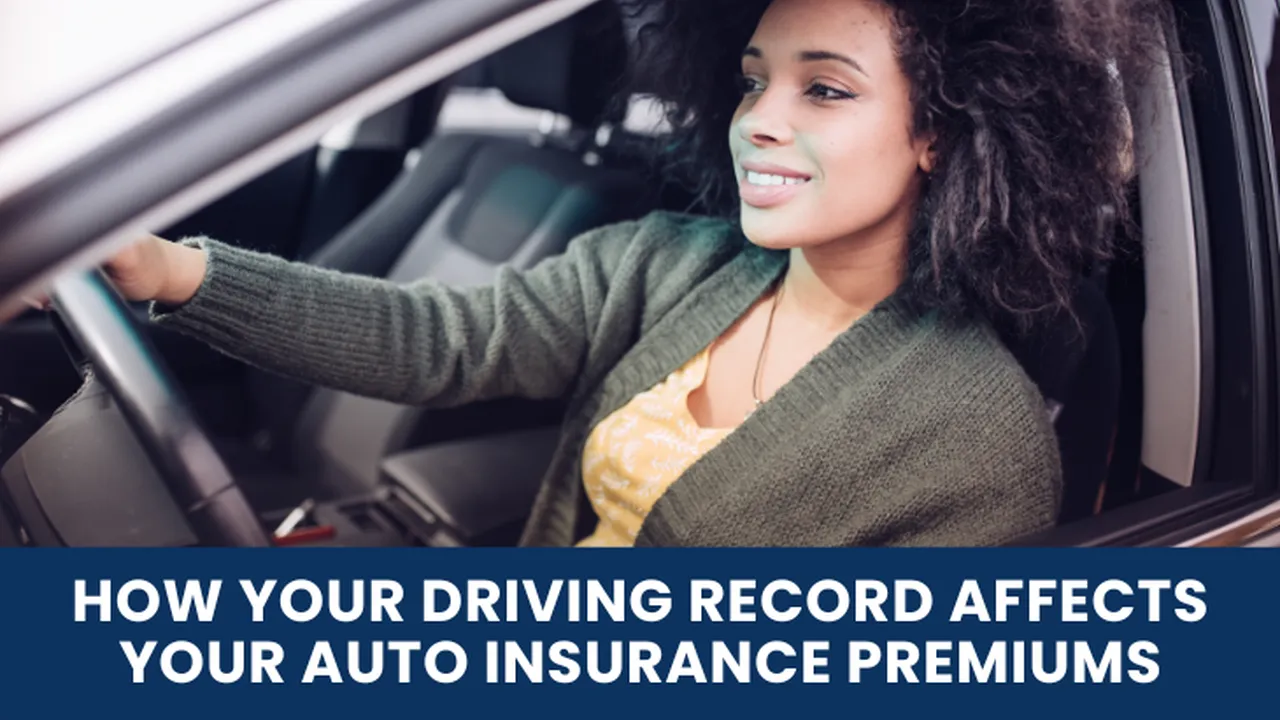
Analyze how your driving record significantly affects your car insurance premiums. Ever wondered why your car insurance rates fluctuate, or why your friend pays less even though you drive a similar car? A major piece of that puzzle is your driving record. It's not just about how many years you've been driving; it's about what you've done during those years. Insurers use your driving history as a crystal ball, predicting your future risk on the road. A clean record often translates to lower premiums, while a history of accidents or violations can send those rates soaring. Let's dive deep into how your driving record impacts your car insurance premiums, what factors are most influential, and how you can potentially improve your standing.
Impact of Driving Record on Insurance Premiums
Understanding Your Driving Record and Insurance Risk Assessment
Your driving record is essentially a report card of your behavior behind the wheel. It includes everything from minor traffic infractions to major accidents and convictions. Insurance companies meticulously review this record to assess your risk profile. The higher they perceive your risk, the more they will charge you for coverage. This isn't personal; it's purely statistical. Data shows that drivers with a history of accidents or violations are statistically more likely to be involved in future incidents, leading to claims that cost insurers money. Therefore, they adjust premiums to offset this potential financial exposure.Key Elements of Your Driving Record That Influence Premiums
Several specific elements on your driving record carry significant weight when insurers calculate your premiums. Understanding these can help you anticipate how your rates might be affected.- Traffic Violations and Infractions: These are typically categorized by severity.
- Minor Violations: Speeding tickets (especially for going slightly over the limit), parking tickets, failure to signal, or minor moving violations. While a single minor violation might not drastically increase your premium, multiple minor violations can accumulate and signal a pattern of risky driving.
- Major Violations: Reckless driving, excessive speeding (e.g., 20+ mph over the limit), driving without a license, or running a red light. These have a much more significant and immediate impact on your premiums.
- At-Fault Accidents: If you are determined to be at fault in an accident, this will almost certainly lead to a premium increase. The severity of the accident (e.g., property damage vs. bodily injury) and the cost of the claim will also play a role. Even minor at-fault accidents can trigger surcharges.
- DUI/DWI Convictions: Driving Under the Influence (DUI) or Driving While Intoxicated (DWI) are among the most severe violations. A DUI conviction will lead to substantial premium increases, potential policy cancellation, and difficulty finding new coverage. Many insurers will consider you a high-risk driver for several years after a DUI.
- License Suspensions or Revocations: Having your driver's license suspended or revoked is a major red flag for insurers, indicating a serious disregard for traffic laws. This will significantly impact your ability to get affordable insurance.
- Number of Incidents: Even if individual incidents are minor, a high frequency of claims or violations within a short period can indicate a consistently risky driving style, leading to higher premiums.
How Long Do Driving Incidents Affect Your Insurance Rates?
The impact of a driving incident isn't permanent, but it's not fleeting either. The duration for which an incident affects your premiums varies depending on the type of incident and the insurance company's policies, as well as state regulations.Typical Look-Back Periods for Insurance Companies
Most insurance companies have a 'look-back period' during which they consider past incidents. This period is usually:- 3 to 5 Years for Minor Violations and At-Fault Accidents: A speeding ticket or a minor at-fault accident will typically stay on your record and affect your premiums for three to five years. After this period, if you maintain a clean record, the surcharge associated with that incident should drop off.
- 5 to 10 Years for Major Violations (e.g., DUI/DWI): More severe infractions like DUI/DWI can impact your rates for a much longer period, often five to ten years, or even longer in some states. Some insurers might even refuse to cover you for a certain period after such a conviction.
Strategies to Improve Your Driving Record and Lower Premiums
Even if your driving record isn't spotless, there are proactive steps you can take to improve it over time and potentially reduce your insurance costs.Driving Safely and Avoiding Future Incidents
This is the most straightforward and effective strategy. The best way to lower your premiums is to avoid getting new tickets or being involved in new accidents. Practice defensive driving, obey traffic laws, and avoid distractions while driving.Taking a Defensive Driving Course
Many insurance companies offer discounts for completing an approved defensive driving course. This not only demonstrates your commitment to safe driving but can also, in some states, help to remove points from your license or prevent minor violations from appearing on your record. For example, in California, traffic school can mask a point from a minor violation. Check with your insurer and local DMV for eligible courses and their benefits.Shopping Around for Insurance Quotes
Insurance companies weigh driving record incidents differently. One insurer might penalize a speeding ticket more heavily than another. If you have an incident on your record, it's crucial to shop around and get quotes from multiple providers. You might find that one company offers significantly better rates for your specific driving history. Websites like The Zebra or NerdWallet allow you to compare quotes from various insurers side-by-side, making the process much easier.Considering Usage-Based Insurance Programs
Many insurers now offer usage-based insurance (UBI) programs, also known as telematics programs. These programs use a device (either a plug-in or a smartphone app) to monitor your driving habits, such as speed, braking, acceleration, and mileage. If you demonstrate safe driving behavior, you can earn discounts on your premiums. This can be particularly beneficial if you have a less-than-perfect record but have since adopted safer driving habits. Examples of such programs include:- Progressive Snapshot: This program uses a device that plugs into your car's OBD-II port or a mobile app. It monitors driving habits for a short period (usually a few weeks or months) and then adjusts your premium based on your driving score. Drivers can save an average of $145 per year.
- State Farm Drive Safe & Save: This program uses either the Car Connection device or the State Farm mobile app. It tracks mileage and driving behavior, offering discounts of up to 30% for safe drivers.
- Allstate Drivewise: Available through the Allstate mobile app, Drivewise rewards safe driving with cash back every six months. It monitors speed, braking, and time of day driving.
- Geico DriveEasy: This app-based program monitors driving habits and offers personalized discounts. It focuses on factors like hard braking, aggressive acceleration, and phone usage while driving.
Maintaining a Good Credit Score
While not directly related to your driving record, your credit score can indirectly affect your insurance premiums in many states (excluding California, Hawaii, and Massachusetts, where it's prohibited). Insurers use credit-based insurance scores as a predictor of future claims. A good credit score can help offset some of the negative impact of a less-than-perfect driving record.Increasing Your Deductible
If you're comfortable taking on more financial responsibility in the event of a claim, increasing your deductible can lower your premium. This is a trade-off: you pay less monthly but more out-of-pocket if you have an accident. This strategy can be particularly useful if you have a few minor incidents on your record and want to reduce your immediate premium burden.Bundling Policies
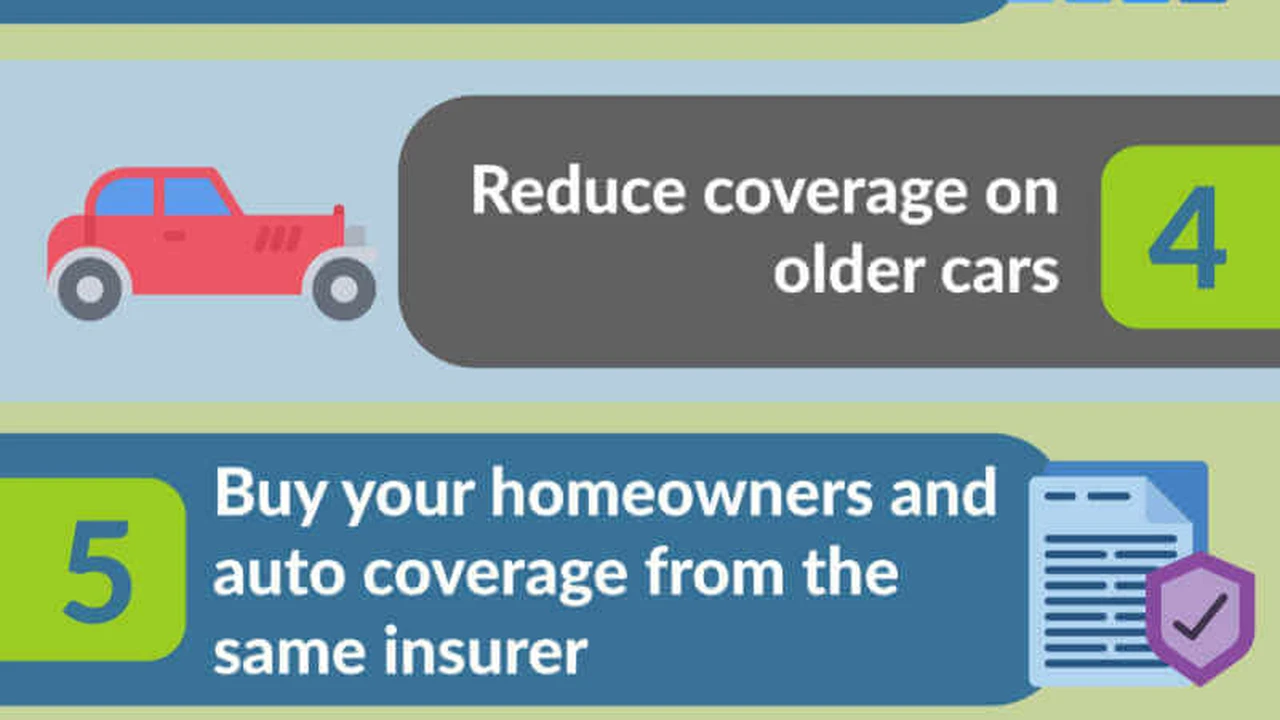
Many insurers offer discounts if you bundle multiple policies, such as car insurance and home insurance. This can lead to significant savings that might help offset higher premiums due to your driving record.Specific Product Recommendations and Pricing Examples
Let's look at some specific insurance providers and how they might handle different driving records, along with general pricing considerations. Keep in mind that actual rates vary wildly based on location, vehicle, age, and many other factors.For Drivers with a Clean Record
If you have a spotless driving record, you're in the best position to get competitive rates. Look for insurers known for rewarding safe drivers.- GEICO: Often competitive for drivers with clean records. They offer various discounts for good drivers, multi-car, and federal employees. A 30-year-old driver with a clean record in Texas might see rates around $1,200 - $1,500 annually for full coverage.
- State Farm: Known for personalized service and good rates for safe drivers. Their Drive Safe & Save program can further reduce premiums. A similar driver in Florida could expect rates from $1,400 - $1,800 annually.
- USAA: (For military members and their families) Consistently ranks high for customer satisfaction and competitive rates for safe drivers. A clean record driver in California might pay $1,000 - $1,300 annually.
For Drivers with Minor Violations (e.g., a single speeding ticket)
One minor ticket might increase your rates by 10-20% on average, but some insurers are more forgiving than others.- Progressive: Often competitive even with a minor violation. Their Snapshot program can help mitigate the impact if you drive safely afterward. A 30-year-old driver with one speeding ticket in Ohio might see rates from $1,600 - $2,000 annually.
- Allstate: Their Drivewise program can help offset the increase. They also offer a 'Pardon' program in some states where your first accident or ticket won't raise your rates. A driver in Georgia with a minor violation might pay $1,800 - $2,300 annually.
For Drivers with At-Fault Accidents
An at-fault accident can lead to a significant premium hike, often 20-50% or more, depending on the severity and state.- Farmers: Known for offering competitive rates even after an accident, especially if you've been a long-term customer. They also have a 'Signal' UBI program. A driver in Arizona with one at-fault accident might see rates from $2,000 - $2,800 annually.
- Liberty Mutual: Offers a 'Deductible Fund' that can help reduce your deductible over time, which can be beneficial if you've had an accident. A driver in Pennsylvania with an at-fault accident might pay $2,200 - $3,000 annually.
For High-Risk Drivers (e.g., DUI/DWI, multiple violations)
If you have a DUI or multiple serious violations, finding affordable insurance can be challenging. You might need to look at non-standard insurers.- The General: Specializes in high-risk drivers. While rates will be higher, they are often one of the few options available. A driver with a DUI in Texas might pay $3,500 - $6,000+ annually.
- National General: Another option for drivers with challenging records. They also offer SR-22 filings, which are often required after a DUI. A driver with a DUI in Florida could expect rates from $4,000 - $7,000+ annually.
- Local Independent Agents: These agents can shop multiple non-standard carriers that might not be available online, often finding the best rates for high-risk drivers.
The Role of State Regulations and Insurance Laws
It's crucial to understand that state laws play a significant role in how driving records impact insurance premiums. Each state has its own regulations regarding:- Point Systems: Many states use a point system for traffic violations. Accumulating too many points can lead to license suspension and higher insurance rates.
- SR-22/FR-44 Filings: After serious violations like DUI/DWI or driving without insurance, some states require an SR-22 (or FR-44 in Florida and Virginia) filing. This is a certificate of financial responsibility that your insurance company must file with the state, indicating you have the minimum required coverage. This filing itself often leads to higher premiums.
- Fair Credit Reporting Act: While not directly about driving records, this act governs how insurers can use credit information, which, as mentioned, can indirectly affect premiums.
- Good Driver Discounts Mandates: Some states mandate that insurers offer good driver discounts to drivers with clean records for a certain period.
:max_bytes(150000):strip_icc()/277019-baked-pork-chops-with-cream-of-mushroom-soup-DDMFS-beauty-4x3-BG-7505-5762b731cf30447d9cbbbbbf387beafa.jpg)