Understanding Car Depreciation and Resale Value
An explanation of car depreciation and factors influencing your vehicle's resale value.
An explanation of car depreciation and factors influencing your vehicle's resale value.
Understanding Car Depreciation and Resale Value
Hey there, car enthusiasts and smart shoppers! Ever wondered why that shiny new car loses a chunk of its value the moment you drive it off the lot? Or how some cars seem to hold their value much better than others? You're not alone. Car depreciation and resale value are super important concepts for anyone buying, selling, or even just owning a vehicle. It's not just about the initial purchase price; it's about the total cost of ownership, and a big part of that is how much your car is worth when you decide to part ways with it. Let's dive deep into what depreciation is, what factors play a role, and how you can make smarter choices to keep more money in your pocket.
What Exactly is Car Depreciation and Why Does it Matter for Your Wallet?
So, what's the deal with depreciation? Simply put, car depreciation is the decrease in value of your vehicle over time. It's the difference between what you paid for it and what you can sell it for later. This isn't just some abstract financial term; it directly impacts your financial health. Think about it: if you buy a car for $30,000 and sell it five years later for $15,000, you've effectively 'lost' $15,000 due to depreciation. That's a significant cost of ownership that many people overlook when they're focused on monthly payments or fuel economy.
Depreciation starts the moment you drive a new car off the dealership lot. Seriously, that's often when the biggest drop happens! Some estimates suggest a new car can lose 10-20% of its value in the first year alone, and then another 15-25% over the next four years. After five years, many cars are worth only 40-50% of their original purchase price. Ouch, right? Understanding this helps you set realistic expectations and plan for your next vehicle purchase or sale.
Key Factors Influencing Car Depreciation and Resale Value
Not all cars depreciate equally. Several factors play a huge role in how much value your vehicle retains. Knowing these can help you make a more informed decision when buying a car, especially if you're thinking about its long-term value.
Vehicle Make and Model The Brand Power and Reliability Factor
This is a big one. Certain brands and models are known for holding their value better than others. Generally, vehicles from manufacturers with a strong reputation for reliability, durability, and low maintenance costs tend to depreciate slower. Think about brands like Toyota, Honda, Subaru, and some luxury brands like Porsche. These cars often have a loyal following and a perception of quality that translates into higher demand in the used car market. On the flip side, some brands, despite offering great features, might see faster depreciation due to perceived reliability issues or a less robust used car market.
Initial Purchase Price and Market Demand How Much You Pay and Who Wants It
It might seem obvious, but the initial purchase price plays a role. More expensive cars often have a larger dollar amount of depreciation, even if their percentage depreciation is similar to a cheaper car. However, market demand is crucial. If a particular model is highly sought after, even if it's expensive, its resale value can remain strong. This demand can be driven by factors like fuel efficiency, safety ratings, technology, or even just current trends. For example, SUVs and trucks have seen consistently strong demand in recent years, often leading to better resale values compared to sedans.
Mileage and Condition The Wear and Tear Equation
This is probably the most straightforward factor. The more miles your car has, the less it's generally worth. High mileage suggests more wear and tear on components, which can lead to higher maintenance costs for the next owner. Similarly, the overall condition of your car – both inside and out – significantly impacts its resale value. A car with a clean interior, well-maintained paint, and no major dents or scratches will always fetch a better price than one that looks neglected. Regular maintenance, keeping service records, and addressing minor issues promptly can really pay off here.
Age of the Vehicle The Time Factor in Value Loss
As we mentioned, depreciation is heavily time-dependent. The older a car gets, the more it generally depreciates. The steepest drops usually occur in the first few years, then the rate tends to slow down. However, after a certain point (often around 10-15 years), the value might stabilize at a lower floor, especially for well-maintained or classic models. For most everyday cars, age is a relentless force against resale value.
Color and Features The Personal Touch and Market Appeal
Believe it or not, the color of your car can influence its resale value! Neutral colors like white, black, silver, and gray tend to be more popular and therefore hold their value better. Bright or unusual colors might appeal to a niche market but can limit your pool of potential buyers, potentially leading to a lower resale price. Similarly, certain features and options can boost resale value. Things like advanced safety features (ADAS), a sunroof, leather seats, or a premium infotainment system can make your car more attractive to buyers. However, don't go overboard with highly personalized or expensive aftermarket modifications, as these often don't add value and can even detract from it.
Economic Conditions and Fuel Prices The Bigger Picture
Broader economic factors also play a role. During economic downturns, people might be more inclined to buy used cars, which can sometimes stabilize or even slightly increase used car values. Fuel prices are another huge factor. When gas prices are high, fuel-efficient vehicles (like hybrids or smaller cars) tend to hold their value better, while large SUVs and trucks might see a dip in demand and value. Conversely, when gas prices are low, the demand for larger, less fuel-efficient vehicles can increase.
Comparing Depreciation Across Different Vehicle Types and Models
Let's get into some specifics. Not all vehicles are created equal when it comes to holding their value. Here's a look at how different types and some specific models tend to fare.
SUVs and Trucks The Resale Value Champions
In recent years, SUVs and pickup trucks have consistently demonstrated strong resale values, especially in the US market. Their versatility, higher seating position, and perceived safety appeal to a broad range of buyers. Models like the Toyota Tacoma and Toyota 4Runner are legendary for their depreciation resistance. A 2023 study by iSeeCars.com showed the Tacoma losing only about 20.4% of its value over five years, significantly better than the average. The Jeep Wrangler is another strong performer, often retaining over 30% more value than the average vehicle after five years. Even larger SUVs like the Chevrolet Tahoe or Ford Expedition tend to do well due to their utility and family-friendly appeal.
Sedans and Hatchbacks The Shifting Landscape
Sedans and hatchbacks have seen more varied depreciation rates. While some models still hold their own, the overall trend has been a slight increase in depreciation compared to SUVs. However, reliable and fuel-efficient sedans from brands like Honda and Toyota still perform well. The Honda Civic and Toyota Corolla are perennial favorites, known for their longevity and low running costs, which translates to decent resale value. For example, a Civic might depreciate around 30-35% over five years, which is still quite good. Luxury sedans, on the other hand, often depreciate much faster in dollar terms, though their percentage might be similar to mainstream cars. The initial high price means a bigger drop in actual cash value.
Electric Vehicles EVs and Their Evolving Resale Market
The EV market is still relatively new and evolving, making depreciation a bit harder to predict. Early EVs sometimes saw faster depreciation due to rapidly advancing battery technology and range anxiety. However, as EVs become more mainstream and battery technology improves, their resale values are stabilizing. Models like the Tesla Model 3 and Model Y have shown strong resale values, partly due to brand demand and continuous software updates. Other EVs, especially those with shorter ranges or less established charging infrastructure, might depreciate faster. Government incentives for new EVs can also impact the used EV market, as buyers might opt for a new subsidized EV over a slightly used one. It's a dynamic space to watch!
Luxury Cars The Steepest Drops in Dollar Value
Luxury cars, while offering incredible comfort and performance, often experience the steepest depreciation in terms of raw dollar value. A $70,000 luxury sedan might lose $35,000 in five years, whereas a $30,000 mainstream sedan might lose $15,000. While the percentage might be similar (around 50%), the actual cash loss is much higher. Brands like Mercedes-Benz, BMW, and Audi, while prestigious, often see significant depreciation. However, some ultra-luxury or performance-oriented models, like certain Porsche 911 variants, can defy this trend and even appreciate over time due to their rarity and desirability. But for the average luxury car, be prepared for a substantial value drop.
Strategies to Maximize Your Car's Resale Value and Minimize Depreciation
Okay, so you understand depreciation. Now, what can you do about it? Plenty! Here are some actionable tips to help your car retain as much value as possible.
Regular Maintenance and Service Records The Proof is in the Paperwork
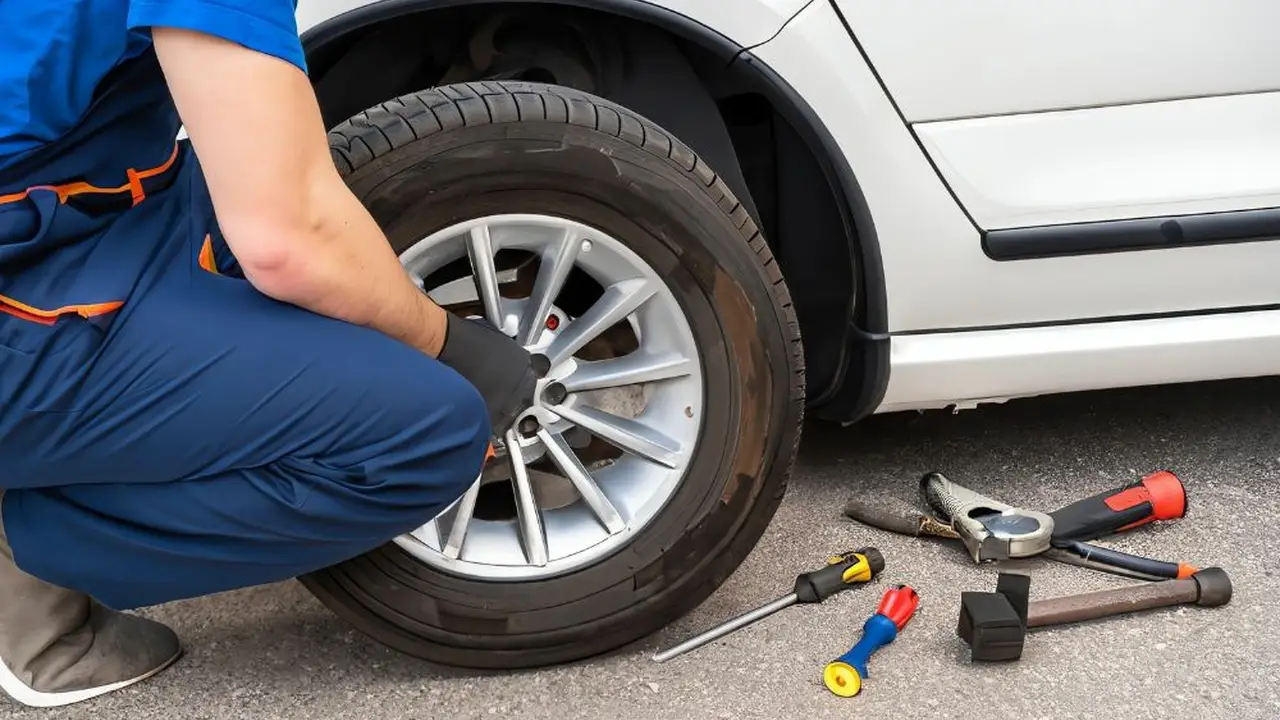
This is probably the single most important thing you can do. Stick to your car's recommended maintenance schedule. Get oil changes, tire rotations, fluid checks, and inspections done on time. Not only does this keep your car running smoothly, but it also provides a valuable paper trail. Keep all your service records – receipts, invoices, and inspection reports. When it comes time to sell, a prospective buyer will be much more confident in a car with a complete and transparent service history. It shows you've taken care of the vehicle, and that peace of mind is worth money.
Keep it Clean Inside and Out The First Impression Matters
A clean car simply looks better and suggests it's been well-cared for. Regularly wash and wax the exterior to protect the paint from environmental damage. Vacuum the interior, wipe down surfaces, and address any spills or stains promptly. Avoid eating in the car if possible, and definitely no smoking! A smoke-free, odor-free interior is a huge plus for buyers. Consider professional detailing before selling; it can make a significant difference in how your car presents itself and can often add more to the sale price than the cost of the detailing itself.
Address Minor Repairs Promptly Don't Let Small Issues Become Big Ones
That small dent, the cracked windshield, the warning light that's been on for months – these things add up and detract from your car's value. Address minor repairs as they come up. Fixing a small chip in the windshield is much cheaper than replacing the whole thing later. Getting that check engine light diagnosed and fixed shows responsibility. Buyers will factor in the cost of these repairs when making an offer, so it's better to fix them yourself beforehand.
Choose Popular Colors and Features Smart Buying Decisions
When you're buying a new car, think ahead to resale. Opt for popular, neutral colors like white, black, silver, or gray. While that bright orange might be fun for you, it might not appeal to the next buyer. Similarly, choose features that are generally desirable. Things like a good infotainment system, advanced safety features, and comfortable seating are usually safe bets. Avoid highly customized or niche modifications that might only appeal to a very specific type of buyer.
Limit Mileage When Possible Drive Smart
While you can't avoid driving your car, being mindful of your mileage can help. If you have a second vehicle or access to public transport for short errands, consider using those options to keep the miles off your primary car. Every mile adds to depreciation, so fewer miles generally mean higher value. This is especially true for cars that are only a few years old.
Consider an Extended Warranty or Service Plan The Peace of Mind Factor
While not directly reducing depreciation, an extended warranty or a transferable service plan can make your car more attractive to a buyer, especially if the original factory warranty is about to expire. It offers them peace of mind against unexpected repair costs, which can be a strong selling point and potentially allow you to command a slightly higher price.
Understanding the Used Car Market and When to Sell
Timing is everything, even when selling a car. The used car market fluctuates, and understanding these dynamics can help you get the best price.
Market Trends and Demand What's Hot Right Now
Keep an eye on current market trends. Are SUVs still in high demand? Are fuel-efficient cars suddenly more popular due to rising gas prices? Selling your car when its type or model is in high demand can significantly boost its resale value. Websites like Kelley Blue Book (KBB.com) and Edmunds.com offer excellent resources for tracking used car values and market trends in the US. For Southeast Asia, local classifieds and automotive portals can give you a good sense of current demand.
The Sweet Spot for Selling The 3 to 5 Year Mark
Many experts suggest that the 'sweet spot' for selling a car to minimize depreciation loss is typically between three and five years of ownership. By this point, the steepest depreciation has usually occurred, but the car is still relatively new, has modern features, and likely has lower mileage. After five years, maintenance costs might start to increase, and the car's features might begin to feel dated, leading to a faster decline in value.
Seasonal Selling Tips When to List Your Car
Believe it or not, there are better times of the year to sell certain types of vehicles. Convertibles might sell better in spring, while SUVs and AWD vehicles might see increased demand in fall and winter, especially in regions with harsh weather. Generally, spring and early summer are often good times to sell cars, as people are often looking for new vehicles for summer road trips or before the new model year cars arrive in dealerships.
Tools and Resources for Estimating Your Car's Value
Before you sell, it's crucial to get an accurate estimate of your car's current market value. Here are some excellent resources:
Kelley Blue Book KBB.com The Industry Standard
For US consumers, Kelley Blue Book (KBB.com) is arguably the most well-known and trusted resource. You can input your car's make, model, year, mileage, condition, and features, and KBB will provide several values: trade-in value (what a dealer would offer), private party value (what you can expect to get selling it yourself), and retail value (what a dealer would sell it for). KBB also offers a 'Fair Purchase Price' for new cars, which can help you avoid overpaying initially.
Edmunds.com Another Reliable Valuation Tool
Edmunds.com is another fantastic resource, similar to KBB. It provides detailed valuation tools, including trade-in and private party estimates. Edmunds also offers a lot of data on depreciation rates for specific models, which can be incredibly insightful when you're researching a potential purchase. They often have a 'True Market Value' tool that helps you understand what others are paying for similar vehicles in your area.
NADAguides.com For Dealers and Consumers
While often used by dealerships, NADAguides.com (now part of J.D. Power) is also accessible to consumers. It provides comprehensive pricing information for new and used cars, including trade-in, retail, and loan values. NADA tends to provide slightly higher values than KBB in some cases, so it's good to check both to get a range.
Local Dealership Appraisals Get a Real-World Offer
Even if you plan to sell privately, getting a few trade-in appraisals from local dealerships can be a smart move. It gives you a baseline for what professionals are willing to pay for your car, which can help you set a realistic private sale price. Just be aware that trade-in values are typically lower than private party values because the dealer needs to make a profit.
Online Car Buying Platforms Instant Offers
Platforms like Carvana, Vroom, and CarMax (in the US) offer instant online appraisals and cash offers for your car. These can be incredibly convenient if you want a quick and hassle-free sale. While their offers might be slightly lower than what you could get in a private sale, the convenience often outweighs the difference for many sellers. It's a great way to get a no-obligation offer and understand your car's immediate market value.
The Bottom Line on Depreciation and Resale Value
Understanding car depreciation and how to maximize your vehicle's resale value is a crucial part of being a smart car owner. It's not just about the initial sticker price; it's about the total cost of ownership over the years. By choosing reliable models, maintaining your car diligently, keeping detailed records, and timing your sale wisely, you can significantly reduce the financial impact of depreciation. So, next time you're car shopping, think beyond the new car smell and consider how much that vehicle will be worth when it's time for its next adventure. Happy driving, and even happier selling!
:max_bytes(150000):strip_icc()/277019-baked-pork-chops-with-cream-of-mushroom-soup-DDMFS-beauty-4x3-BG-7505-5762b731cf30447d9cbbbbbf387beafa.jpg)